March is upon us and excitement is in the air. As all await the winter thaw, we have new books, a capital talk about the dark world of crime and the prospect of a Dem Bones newsletter to accompany the May Bony Blithe Mini-Con for you to explore.
Lady Lucy Revelstoke and her pickpocket-turned-maid Elf are once again embarking on a transatlantic crossing. Also on board are Renata Harwood, star of the silver screen, and her bitter rival, Stella Burke. Roy Armitage may be Renata’s husband, but he used to be Stella’s man.
Everyone expects these leading ladies to serve up delicious drama at dinner, but things take a tragic turn when Renata’s little sister goes missing. Then Elf’s friend, stewardess to the Harwoods, is found brutally murdered.
Lucy is determined to investigate, proving once again that sometimes it takes a savvy woman to unravel the intricate relationships that lead to murder.
Mme Melissa Yi’s Glengarry Guards series of ice-skating romances; Fire and Ice, Icing Down, Just the Tip of the Iceberg and Icing on the Cake are available on Kindle at Amazon.
Radiant Press has taken over the publishing arm of Inanna Press, which had closed down due to financial difficulties. Radiant Press will release MmeLisa’s latest book in September/October 2025.
EVENTS
Mme Lorna Poplak will be guest speaker at the March meeting of Ottawa-based Capital Crime Writers at 7:00 p.m. on Wednesday, March 12, 2025. In her virtual presentation entitled “My plunge into the dark world of true crime”.
Lorna will discuss her circuitous journey as a writer and the importance of research in her work. She will also share stories and images of the Don Jail, and reveal how she copes when things get really dark.
Mme Lisa de Nikolits will be reading her short story from Devouring Tomorrow, the Dundurn published anthology edited by Jeff Dupuis and A.G. Pasquella at The Caledonian,856 College Street,Wednesday, March 26 at 6 p.m.
DON’T MISS!
The Bony Blithe Mini-Con, Saturday, May 9th at the High Park Club, from 9 a.m. to 5 p.m.
It’s nine weeks to the Bony Blithe Mini-Con (have you registered yet?), but less time than that to the first issue of Dem Bones, the official BB monthly newsletter.
Dem Bones will have something for everyone: author announcements, writing tips, articles, games and puzzles and amusing bits and bobs.
What would you like to see in Dem Bones? Maybe you have an idea for a panel that we don’t have time for at the mini-con, but that would make a good article for Dem Bones. What would you be willing to write about or contribute your wise words to? Let us know at info@bonyblithe.ca.
Whether you’re a published author, an aspiring author, or a voracious mystery reader, we want your input for Dem Bones. The first issue is coming out in March.
So what are you waiting for, my criminous friends? Register now by visiting http://www.bonyblithe.ca, send us your suggestions for Dem Bones, and join us at the con.
The Derringer Awards. If you’re a member of SMFS don’t forget to vote! Voting for Best Anthology begins on April 1, 2025.
Wow! What a Year 2024 Part 2. It’s coming in early March.
THIS MONTH’S STORY
Our story for March is by Mme Sylvia Warsh. “The Ranchero’s Daughter”, first appeared in the Mesdames’ third anthology, 13 Claws, Carrick Publishing, 2017. This wonderful story was short-listed for a CWC Award of Excellence for Best Short Story AND was listed in “Other Distinguished Stories: in Otto Penzlar’s Best American Mystery Stories, 2018.
Kevin lives in Fort McMurray, Alberta, the town that burned down in 2016. He now works as a writer and editor, having been a contractor for the Canadian military, a soldier in Africa and a worker of such peripatetic habits that he is now on his fourth continent and his many-eth country.
An accomplished Sherlockian, Kevin also writes poetry and multi-genre short stories. He has been a finalist in the Crime Writers of Canada awards seven times, and was honoured with the Literature ‘Buffy’ award in his hometown.
UNDER THE LAMPLIGHT
By Kevin P. Thornton
“Under the Lamplight” first appeared in In the Key of 13, by the Mesdames and Messieurs of Mayhem, Carrick Publishing, 2019.
Later, Armstrong remembered the broken sequence of events.
There was the request for Canadians of German background. Nothing official, all word of mouth. But everyone knew what it was—spying—which Armstrong despised. In his world, if you confronted a criminal, you did it face-to-face. Spying seemed like cheating, and he would have no truck with it.
He spoke some German, thanks to his Bavarian mother. Not enough, but even if he had been fluent, he wouldn’t have volunteered. Sergeant George Armstrong did everything by the book. Even the other members of the detachment joked that Armstrong slept at attention, ramrod straight. Honorable, upright, the epitome of a Mountie.
Still, when one of their own had applied, Armstrong had supported his request, despite his professional and personal misgivings. He had been encouraging, even enthusiastic. They had worked together, the two of them, trying to fill in the parts where the military briefings seemed sparse. Privately, Armstrong thought the idea was a bit amateurish, and he worried his constable was being cast into the unknown, with no means of escape.
“It’s a good career move,” he’d said. “And after, who knows?”
“It’s dangerous,” Armstrong had replied. “You can’t afford to make a mistake.”
“You worry too much. I’ll be fine. My German is near perfect. I’ve been completely briefed, and I think I can do this. Before you know it, I’ll be in and out, and life will be back to normal. We’ll be keeping the peace, wearing the red serge and always getting our man.”
***
They had tried to prepare him thoroughly, but there were so many unknowns. They’d told him, “Your back story is the best our intelligence can create. Your papers belong to a real soldier killed on D-day plus one. He was chosen because he came from a small German village wiped out in a bombing raid, five miles from your family’s original home. Your accent won’t give you away, and there’s no one in the camp who will know you. You will be safe.”
***
The telegram from Edmonton had asked Armstrong to attend to the death of a policeman at a POW camp. It also said: “There’s a strong suggestion it’s Rudy.” So he’d been prepared, as prepared as one could be.
His body was lying in the mortuary attached to the clinic. Prisoner of War Camp 139, Fort Clearwater, Alberta. It was January 12, 1945. Inside, the room was clinical and cold. Outside, it was -40°F, and the wind was picking up.
Armstrong looked at the corpse on the table. He lifted the clipboard. Name and rank: Unteroffizier Rudi Hertzen. Date of birth: February 25, 1920. Died: January 11, 1945. Age at time of death: 24. Cause of death: exsanguination by way of a neck injury. There was more, and George read it all, absorbing the details, numbing himself to the reality.
He looked at the paperwork again, anything to avoid looking at the body. Rudi Hertzen. They’d let him keep his first name, at least, as they’d funneled him into his undercover role. Of course, they’d changed the spelling, using the German Rudi instead of Rudy. Armstrong hadn’t known where they had sent him, had imagined he was overseas. What a horrible irony that he had ended up here, at Camp 139, so close to home.
***
The coroner’s report seemed competent and professional. The words on the official government forms had been carefully chosen. The coroner would have been cautious. Sometimes a death in a camp wasn’t treated the same as a civilian murder. They were prisoners of war, after all, the enemy. This one was different. The victim was one of their own. And there was only one suspect.
“Where is the prisoner?” Armstrong asked.
“In the guardroom,” a corporal replied. None of the officers had escorted him, a lowly sergeant in the RCMP. Armstrong was used to the tension between the services. In any event, he preferred the company of the corporal, a member of the Veterans Guards and likely a First World War soldier.
“Where did you serve?”
“I was at the Somme,” the corporal said.
“You were lucky, then,” said Armstrong, “to have survived. My dad served, as well.”
“Where?”
“Ypres first, then Amiens.”
“Was he lucky, too?” the corporal asked.
“No. He never came home.”
The corporal nodded, then seemed to be about to put his hand on Armstrong’s shoulder. Armstrong would have liked that.
Instead, the corporal drew himself to attention. “Where to now, sir?” The sir was unnecessary, but it had the weight of the untouched shoulder in it, and Armstrong was momentarily comforted.
“Let’s meet the suspect,” he said.
***
The wind had died down, so the cold didn’t slice through his body. Instead it settled on him, weighing him down, permeating his clothes and feeding on exposed skin.
The camp had been built in 1943, as the tides of war shifted. It was five miles outside Fort Clearwater, and was about as far north as one could go before Alberta became the Northern Territories.
As Armstrong and the corporal walked across the parade ground, they passed the main hall, and Armstrong could hear singing. It was a familiar tune, muffled by the cold.
“What’s that?” he asked.
“The prisoners’ choir,” the corporal answered. “They’re really rather good actually, they even stretch to a bit of Wagner and Mozart when the mood takes them. That’s one of their favorites, though. ‘Lili Marlene,’ it’s called. It’s very popular with the soldiers on both sides.”
“I recognize it,” Armstrong said. “It’s been on the radio.”
Which may have been true, but it was the recording by English singer Anne Shelton he remembered. They had borrowed it from the radio station after some bright spark from the army sent a telegram suggesting that learning the words to the song would be useful for the cover story they were creating for Rudy.
Armstrong had been angry at the sheer amateurishness of the command. “Where in the hell does he think we are going to get that in northern bloody Alberta? Does he think German sheet music just grows on trees?”
Along with the recording, they had commandeered a German-English dictionary from the school. They sat in front of the detachment gramophone, transcribing the words from the song before translating them into German. Armstrong had thought it a waste of time, but he had been carried along by his constable’s enthusiasm.
The holding cell was small, fronted by an even smaller office. Armstrong stopped there first, taking off his layers, exposing his uniform. The lieutenant at the desk looked like a teenager, newly promoted, trying to fill out his uniform. He had large owlish glasses with thick lenses that told Armstrong why he wasn’t serving in a more active role.
Armstrong picked up the paperwork, glancing over it. Feldwebel Pieter Schmid, the suspect, having lost part of his foot, had been captured in Normandy in July 1944, and shipped back to the prisoner of war camps in North America. There wasn’t a lot of information about him; prisoners were only obliged to give their name, rank and service number. Schmid had been in the camp for only a month, which raised questions in Armstrong’s mind. Even with his injury, why had it taken six months for Schmid to get here, and where had he been?
As Armstrong walked back to the cell, he heard the lieutenant pick up the phone and dial.
Feldwebel Schmid lounged on a cot in the cell, smoking a cigarette. It was a standard military folding cot, the same ones they used at police training. If you knew where to kick it, the cot’s legs would collapse. Armstrong did so, and Schmid fell to the floor, his dignity and cigarettes scattered.
“Next time I walk into your cell, you stand to attention,” Armstrong said in German.
Schmid looked surprised, then said, “I speak English.”
“Good. Then tell me why you killed Hertzen.”
“What makes you think I did?” Schmid said. There was a slight air of confidence about him, unwarranted given the report Armstrong had read.
“You were seen by one of the guards.” Armstrong looked at his notes. “Tower 7 has an excellent view of the only door to the building. Prisoner Rudi Hertzen was seen entering the entertainment storeroom at 16:30 hours. It was snowing, and his were the only footprints into the building until 16:48, when you went in. You came out again at 16:52, leaving your fresh prints in the snow. At 17:14, the guard realized he hadn’t seen Hertzen leave the building, so he raised the alarm. They found Hertzen, dead, stabbed in the throat. They arrested you 47 minutes later. Any questions?”
“They couldn’t identify anyone from Tower 7,” Schmid said. “It was dark.”
“There’s a lamp above the door. You were recognized.”
“By a retired soldier from 80 yards away? They can’t even see beyond their noses.”
“There are only a handful of prisoners with authorized access,” Armstrong said, “and you are the only one with a pronounced limp.” He closed his notes. “I’d like your written confession, if only to save you the embarrassment of telling the court how incompetent you were. In all my years as a policeman, I have never seen such a ham-fisted murder. You really thought you could get away with this in one of the most closely guarded camps in the country?”
Still looking surly, Schmid remained silent.
Armstrong was angry, angrier than he had ever been. He wanted to knock the sullenness off Schmid’s face. It was a rage he had never before felt on the job. He clenched his fists. No, that’s not the way. The book. Do things by the book.
“The good news is that you will be tried for murder in Fort Clearwater and not in a military court, so it will be quick. No hiding behind the Geneva convention for you.”
“And the bad news?” Schmid said.
“He’s a hanging judge, so whichever way this war ends, you won’t be around to see it.”
Armstrong had the satisfaction of seeing the terror on Schmid’s face. Then he felt guilty about that satisfaction, as if he had not maintained police procedural standards of impartiality.
He was also confused by Schmid’s behavior. It was as if Schmid had believed, up until that moment, that he was going to get away with it. But how? It was the easiest murder case Armstrong had ever had to handle. He had no doubt that Schmid would see the gallows before summer.
“Sergeant!”
Armstrong turned at the voice behind him. It was the duty lieutenant.
“Sergeant, the colonel wishes to see you immediately.”
***
The same corporal led him to the commanding officer’s building.
Judging from his ribbons, Colonel Drummond was a veteran of several wars. They were a proud record of Drummond’s service, and a storyboard that Armstrong could read as well as any soldier. In addition to medals from the First World War and other campaigns, Drummond had the Queen’s South Africa Medal for service in the Second Boer War. That had ended in 1902, so this was a man with nearly 50 years in uniform. Armstrong was impressed.
“Did he do it?” the colonel asked.
“You know that I don’t have to share the results of my investigation with you.”
“Indeed. How far do you think you are going to get in this camp—my camp—without my permission?”
Armstrong bristled, but the colonel went on. “Come, come,” Drummond said. “Sit down. And please, answer my question. It is of the utmost importance.”
“Very well,” Armstrong said. “Feldwebel Schmid may be the dumbest murderer I have ever met. He is the only suspect and until I told him he’d likely be hanged by July, he seemed to be oblivious to his situation. If I cared enough, I would say he is mentally incapacitated.”
“In some ways, it’s worse than that,” Drummond said. “Here, read this missive from HQ. It will explain everything, including Schmid’s hubris.”
It was a short message. Armstrong read it in silence, horror mounting within him. He flung it at the colonel and raced for the door, running through the cold to the guardroom.
***
“Tell me who you are.”
“Feldwebel Pieter Schmid, service number—”
Armstrong turned to the lieutenant. “Get out. This interview is now classified.”
“But—”
“Get out now or so help me I will throw you out the window.”
The lieutenant left as rapidly as his dignity would allow.
“Now,” Armstrong said, “Tell me who you really are.”
“My name isn’t important, but I’m a captain, undercover, from U.S. Army Intelligence. I was injured during the invasion, sent home and given this assignment.”
“Hence the limp,” Armstrong said. The injury also explained Schmid’s whereabouts since D-day.
“It’s less of a hindrance here than in the infantry.”
“And your mission?”
“You are not cleared for that.”
“I am cleared for anything I want,” Armstrong said. “Even though our countries are allies, you are a foreign spy dressed in enemy uniform. You have no legal protection under the Geneva Convention, and you have just murdered a Canadian policeman.”
Armstrong wasn’t sure about that last detail, but he bet that Schmid knew even less about international law than he did.
“Unteroffizier Rudi Hertzen was actually RCMP Constable Rudy Becker, a colleague and a friend,” Armstrong said. “I should shoot you myself, save the hangman’s time. Now, I’ll ask you once again. What was your mission?”
“Can I sit down, at least?”
Armstrong dragged two chairs into the cell.
“I was given my cover last year,” Schmid said, “and inserted into the prisoner system along with about a dozen others. We were all German-Americans, and we didn’t know where we were going, I swear it. We were all supposed to be in the States. Six hundred prisoner of war camps on this side of the Atlantic. What are the odds I’d end up in Canada? Typical military SNAFU.”
“What’s a SNAFU?”
“Military slang. Situation normal, all, er, all fouled up.”
“The mission,” Armstrong said. “Get to the mission.”
“Nazi hunting. We’re trying to identify who the Nazis are.”
“Why?”
“There are stories coming out of Europe of atrocities being committed. Really bad stuff, like you couldn’t even imagine,” Schmid said. “The war is going to end soon, this year definitely, and the high command doesn’t want the Nazis getting away. There’s talk of trials after the war for murder and even worse. They are calling them war crimes. The Germans have been trying to exterminate all the Jews in Europe, as well as gypsies, homosexuals, the insane, socialists and many more.”
Schmid paused to take a drag from his cigarette. His raspy voice gave credence to his story. “We don’t want any of them to get away, and it’s not just us. The Brits started infiltrating their own people into their camps nearly two years ago, and I guess Hertzen was part of the same for you guys.”
“And?” Armstrong prodded him.
“And it was working for me. I grew up speaking German. I’m from Little Germany on the Lower East Side. So I sound the part, and my cover story was good. When I arrived, I joined the choir as members get special privileges. They can move around the camp easier, they have access to all the prisoners.
“In just over a month, I’ve identified a hundred men who are hard-core Nazis, and I have names and details. These records are going to be important. I kept notes of the things they said, where they’d served, their organizations, the work they had done. They trusted me, thought I was one of them. I was doing well. I had the evidence to nail them. And then Hertzen arrived.”
“What happened?”
“He stuck out like a sore thumb. Whoever briefed him…”
Schmid paused, wiping his brow with the back of his hand. He looked at Armstrong, half-sad, half-defiant.
“I’m Jewish. Half my family is German, but on my Mother’s side they’re Ukrainian, and her family escaped the pogroms in Russia. I’ve heard all the stories from back then, but what the Nazis are doing to the Jews now is far beyond anything this world has ever seen. Which makes this work vital. My notes are needed. After the war, they have to be held accountable.
“So when Hertzen blundered in, looking like a Boy Scout, it didn’t take long before people started getting suspicious. Not just of him, of anyone who seemed too friendly.”
Schmid paused to light another cigarette. He was chain-smoking now, the rhythm of his actions punctuating his story.
“It was at choir practice yesterday. I heard some of them, the Nazis, talking about Hertzen. They said they knew he was a spy, and they were going to get him during the night, make him talk. After practice, I watched him go to the storeroom and followed him in. I told him what they were saying, what they were threatening to do to him. He didn’t believe me, and he attacked me with a shank.”
“He attacked you?” Armstrong didn’t believe Schmid, could sense the cover-up starting to fall into place. Schmid had been protecting himself. He hadn’t cared who Rudy was.
“He attacked me. I defended myself. He died.”
“Where is the shank?”
“Somewhere out there in the snow. I don’t know where.”
His story rang false in Armstrong’s ears, but it was good enough to keep Schmid from ever seeing the inside of a courtroom. The Canadian government would not risk the wrath of the Americans by putting one of theirs on trial.
***
Armstrong stood, defeated. He was never going to be allowed to arrest Schmid, regardless of what he’d done. He would try, but he knew how this would play out. They’d escort him off the base, he’d write a report, send it to RCMP headquarters in Edmonton along with his findings. And it would be buried, or maybe returned with a recommendation that Sergeant Armstrong be posted to Tuktoyaktuk.
“Just one last question. How did they discover he was a spy?”
Schmid laughed. “I told you he hadn’t been prepared. During choir practice, he started singing the wrong words to ‘Lili Marlene.’”
“What do you mean?”
“Hertzen didn’t know the German lyrics. It sounded like he was singing a translation of the English words. I tell ya, the Nazis were near killing themselves laughing at how incompetent he was.”
***
Armstrong saw Drummond before he left. He wanted to tell him that a good man had died, and he would do all within his power to have Schmid arrested.
Drummond allowed him to rage on for two minutes before he stopped him.
“We are at war,” Drummond said. “I don’t know why the undercover American killed the undercover Canadian, nor do I care. The reason why I don’t care is there is nothing I can do. This is a Grade A first-class mess. We should have known the American was here. If we had we could have separated them so they didn’t get in each other’s way.”
He sighed and rubbed his hand over his bald head, as if to erase the memory of it all.
“The Americans will never admit they made a mistake, and by the time you get back to Fort Clearwater and write your report, I’ll wager that Schmid will be on his way home,” Drummond said. “I’m sorry for your loss, as well as the loss to the RCMP. Any man who is prepared to do what Constable Rudy Becker volunteered for is a brave man.”
“Yes,” Armstrong said. “He was very brave.”
***
The wind started up again as he rode back to town. He had Rudy’s personal effects strapped to the motorcycle and he could feel the box nudging against his back.
At the detachment, he sat in the cabin he’d shared with Rudy. As a sergeant, he’d rated separate accommodation, and it had been logical for Rudy, as the senior constable, to use the other bedroom.
Armstrong walked into the room. It was sparse, Rudy had never owned much. In the morning, he would pack it all up and send it to the family. Rudy had a younger sister. She was engaged to a mining engineer in Calgary and had been planning a summer wedding. Rudy had wanted Armstrong to go down with him to the wedding.
“You’ll like her,” he’d said, “and they’ll like you.”
The side table next to the bed held some papers. Armstrong picked them up. They were the translation of “Lili Marlene” they’d worked on together.
“This is on me,” Armstrong said aloud. “This is all on me. Oh Rudy, my Rudy. What will I do?”
Then he started to cry and sat down on the bed in Rudy’s room, the bed they’d never slept in because Armstrong’s room had more space and his bed was bigger.
He cried for his loss, his heart-wrenching loss, and he cried because he felt responsible for Rudy’s death. Rudy, so brave yet so foolish.
Mostly though, he cried because this was the only place he could.
Dear Readers, We’ve got lots of fantastic reading coming your way this February. Books, anthologies and more ways to reach out to you, including Open Mics, a book launch at MOTIVE, an online workshop and Substack.
CONGRATULATIONS AND PUBLICATIONS
Exciting news!
The 13th Letter is short-listed for the Derringer Award for Best Anthology! WOW! This is the first year anthologies have been a category.
Really cool, too: Murder, Neat: A SleuthSayers Anthology which contains Mme Melodie Campbell’s story also made the cut. As did fellow Canadian, Judy Sheluk’s Larceny and Last Chances.
Lisa de Nikolits
Mme Lisa Nikolits’s story “Time to Fly”, will be published in Devouring Tomorrow, an anthology of speculative short fiction imagining our world in a food-insecure future. In “Time to Fly”, Lisa imagines how centrifuge equipment can be used to induce the sensory experience of reliving the food of one’s youth after the larders of the world are depleted and nature can no longer support human life. Devouring Tomorrow is now available for pre-order here: https://bit.ly/3DLi5yv
Mme M.H. Callway is delighted that her noir thriller story, “The Lost Diner”, has been accepted for publication by Pulp Literature magazine, date TBA. Pulp Literature is a Canadian quarterly literary journal based in British Columbia that loves great storytelling in genre fiction.
Mme Melissa Yi has started 2025 with a blast. Her story, “Evil EX, Silly Whys and the Hole of DOOM” appears in Through the Portal, Tales from a Hopeful Dystopia. In her tale, Melissa imagines having the superpower of silliness. Amazon.ca : through the portal tales from a hopeful dystopia
Mme Rosalind Place is happy to announce that Dastardly Damsels, the anthology that includes her story “ Too Close to the Edge”, won Best Anthology in the Critters Annual Readers Poll 2024. The Readers’ Poll honors print and electronic publications published during 2024 in a wide variety of categories. https://critters.org/index.php
Melissa Yi
Mme Melissa Yi has started 2025 with a blast. Her story, “Evil EX, Silly Whys and the Hole of DOOM” appears in Through the Portal, Tales from a Hopeful Dystopia. In her tale, Melissa imagines having the superpower of silliness. Amazon.ca : through the portal tales from a hopeful dystopia
Her first poetry pub of 2025, “Deviance” is in Polar Borealis, editor, Richard Graeme Cameron. Download is free here: POLAR-BOREALIS-32-January-2025.pdf.
Melissa was also interviewed on Season 9, Episode 21 of Crime Café by NYT bestselling author, Debbi Mack. Here’s the audio link: Crime Cafe – Season Nine – Debbi Mack
Also check her out on Substack where she writes about Magic, mystery and moxy and where you will find The KamikaSze Newsletter.
And if she isn’t already busy, Melissa has started a new hockey romance novella series set in her hometown.
Available January 10
Available January 31
Available February 21
MESDAMES ON THE MOVE
Mmes M. H. Callway will be on The Writers Union of Canada’s Open Mic on Tuesday, February 4, at 7 p.m. This Zoom event is open to members of the TWUC. Mme Sylvia Warsh will be on Open Mic in April.
Madeleine Harris-Callway
Sylvia Maultash Warsh
Mme Lisa de Nikolits has moved her review site, “The Minerva Reader”, now titled “A Turn of Phrase”, to Substack. The site is free and you can subscribe or follow her by clicking the down menu from the three dots. All support would be greatly appreciated. Here is the link:
Join Lorna Poplak on Saturday, February 15 at 2 p.m. for this free online presentation, where she will discuss the history of capital punishment in Canada. She will speak to the stories of two inmates of the Huron Historic Gaol: the public execution of Nicholas Melady and the egregious case of teenager Steven Truscott.
It’s Flashback February in the County—Prince Edward County
In this virtual presentation at 6 p.m. on Wednesday, February 19, 2025, Lorna Poplak will be discussing the grim history of the death penalty in Canada. A comparison of 2 murders in Prince Edward County, the first in the late 1800s and the second 20 years later, will highlight the inconsistent application of the death sentence.
Tickets are available at a suggested price of $10 through the Visit the County website at https://tinyurl.com/4r746zcz
Mme Melodie Campbell will be a featured author at MOTIVE Crime and Mystery festival this year, following publication of her 18th book, The Silent Film Star Murders. MOTIVE (sponsored by the Toronto International Festival of Authors) will take place June 27-29, on the campus of the University of Toronto. More details to come.
Melodie Campbell
Mme Jayne Barnard is co-leading an online session for the Northern Ontario Writers Workshop on February 13 at 7 p.m.
“Shaping Sherlock and Making Moriarty” is an online workshop for the Northwestern Ontario Writers Workshop and the Sudbury Writer’s Guild
Taking (some) of the mystery out writing mysteries, Jayne Barnard, award winning author of the Falls Mystery novels, and Darrow Woods, finalist for a Crime Writers of Canada Award of Excellence for his debut mystery The Book of Answers, will be your guides to exploring key aspects of the mystery genre. and trying your hands at creating compelling heroes and killer villains.
Monthly crime fiction readings are happening at Brews and Clues on Thursday, February 13, at 6: 30 pm at Stout Irish Pub, 221 Carleton Street. Hosted by Des Ryan.
The Capital Crime Writers annual short story contest for the 2025 Audrey Jessup Award is open to writers living in the Ottawa region and all members of the CCW. Deadline is April 1st. Submission rules information is here: www.capitalcrimewriters.com
BONY BLITHE IS BACK!
Time to say to hell with winter and think ahead to the spring…and specifically to Friday, May 9 and the 2025 Bony Blithe Mini-con. And you can register right now by visiting the Bony Blithe Website www.bonyblithe.ca and following the directions there for filling in the registration form and then paying.
New this year is Dem Bones, Bony Blithe’s monthly newsletter featuring mini-con info, crime- and writing-related articles, info about our authors, games, and other fun stuff.
The 2025 Bony Blithe Mini-con will give you a day of delight and edification…to say nothing of lunch, nibblies, books to buy, signings, schmoozing, and more.
The mini-con will again be at the High Park Club, 100 Indian Road, Toronto. This year, due to popular demand, we’re back on the fully accessible first floor of the club.
We’re currently talking with a book dealer about coming, so authors will no longer have to sell their books themselves and can participate fully in the fun. More about that to come.
The mini-con will run from 10 a.m. to 6 p.m. The cost is $85 per person, and lunch and morning and afternoon snacks are included. You can pay with Paypal/Visa/Mastercard ($85 + $3 service charge) or with an e-transfer (sent to info@bonyblithe.ca).
So register now for a mysteriously grand time with our bony, bonny girl. See you on May 9 at the con.
Authors, register early so we can include news about your new books, upcoming events, awards, etc. in Dem Bones. Send your news to info@bonyblithe.ca with “Dem Bones” in the email subject line.
For more info about anything con-related, contact us at info@bonyblithe.ca.
FEBRUARY STORY
We are back to doing free short stories every month! This month’s story is by M. Kevin Thornton. “Under the Lamplight” is from our 4th anthology, In the Key of 13. Lamplight is from our 4th anthology, In the Key of 13 (Carrick Publishing).
The Mesdames and Messieurs had another stellar year in 2024. It was the Year of the Comeback with the return of Bony Blithe and Noir at the Bar.
We had terrific real-world events – and recognitions, too! We were guests on CWC’s Podcasts and hit the theatre stage. Plus we had energy to spare for many book launches, conferences, writers’ festivals, talks and workshops.
Best of all, in 2024, Carrick Publishing released our 6th anthology, The 13th Letter. M is the 13th letter of the alphabet and it stands for Mesdames, Messieurs, mayhem and, of course, murder!
OUR SIXTH ANTHOLOGY!
M is the 13th letter of the alphabet. The Mesdames and Messieurs interpreted M to stand for a multitude of nefarious things like mischief and mayhem – or to use it like an actual letter. Our stories range from outrageous comedy to locked-room mysteries to dark thrillers.
Carrick Publishing released The 13th Letter in October 2024. Huge thanks go to our amazing editor and publisher, Donna Carrick and book cover artist extraordinaire, Sara Carrick.
The 13th Letter received a warm review from CWC Grand Master, Maureen Jennings who wrote:
Another great outing by the Mesdames and Messieurs of Mayhem. This 6th anthology is a wonderful variety of stories; some very funny; some sad; some even a little troubling. All engrossing. Well done.
Joanne Culley of the Peterborough Examiner featured The 13th Letter on her annual holiday round-up of recommended reads, saying:
These entertaining stories are a mix of funny and dark, with plots featuring not only murderers but stalkers, liars, cheats and more.
Claire Murray of Kings River Life wrote a wonderful, warm review of each and every story in The 13th Letter. Read her full review here.
WONDERFUL EVENTS!
LAUNCH OF THE 13TH LETTER, NOVEMBER 2, 2024
L to R: Lisa De Nikolits, Lynne Murphy, Cat Mills and son, Neil, Jane Burfield, Rosemary McCracken, Roz Place, Lorna Poplak, Ed Piwowarczyk, Donna Carrick, M. H. Callway and Sylvia Warsh.
Huge thanks to Mme Marian Misters and Sleuth of Baker Street for hosting the launch of The 13th Letter. And thanks go to J. D. Singh, Prince and Pixie, too! All copies of The 13th Letter sold out!
Each of the authors in the above photo shared a teaser of their story to a full house of readers and friends. (Blair Keetch was there, too.) Nibblies and coffee were served. The rosemary shortbread by Mme Lynne Murphy from her story, “Scamming Granny”, proved especially popular. The recipe is available on request!
MAUREEN JENNINGS HONORED WITH CWC’S GRAND MASTER AWARD, APRIL 27, 2024
Cutting the cake at Sleuth of Baker Street
Hyacinthe Miller, CWC’s President, presents Maureen with the Grand Master Award
Celebrating with Mme Marian Misters and J.D. Singh at Sleuth of Baker Street
Mmes Sylvia Warsha and Lynne Murphy congratulate Maureen
The Crime Writers of Canada honored Maureen Jennings with the Grand Master Award on April 27, 2024, in recognition of her many accomplishments. Maureen is the creator of the world-famous Detective Murdoch mysteries and long-running TV series. She has written three further mystery series: the Tom Tyler, Christine Morris and Paradise Cafe crime novels. She also created the acclaimed TV series, Bomb Girls and has penned several mystery plays, which are regularly performed in Ontario.
Unfailingly supportive of fellow authors, many of Maureen’s creative writing students have gone on to become published authors. The Mesdames and Messieurs were delighted to be part of her wonderful celebration.
AWARDS AND RECOGNITION
CWC AWARDS OF EXCELLENCE
Madeleine Harris-Callway
Melissa Yi
In April, M. H. Callway and Melissa Yi received nominations for the CWC Awards of Excellence . Mme Mad‘s dark cozy story, “Wisteria Cottage”, published in Malice Domestic, Mystery Most Traditional (Wildside Press), was nominated for Best Short Story. Mme Melissa‘s novel, The Shapes of Wrath, the first book in her new Dr. Hope Sze series, was short-listed for the Howard Engel Award for Best Crime Novel Set in Canada.
MYSTERY QUEEN!
Our Queen of Comedy, Mme Melodie Campbell, was featured in the 2024 Spring Issue of Queen’s University’s Smith Magazine. She was recognized as one of the university’s prominent alumni and named Mystery Queen!
GUESTS ON THE CWC PODCAST
Erik d’Souza
In December 2024, The Mesdames and Messieurs of Mayhem were interviewed by CWC’s Erik d’Souza In Season 2, Episode 42, we talked about our history, our memorable real-world events and our new anthology, The 13th Letter.
It couldn’t have been easy wrangling all eight of us: Jane Burfield, M.H. Callway, Donna Carrick, Blair Keetch, Rosemary McCracken, Lynne Murphy, Lorna Poplak and Melissa Yi! Perhaps it turned out a bit chaotic but we loved being there.
Listen to us here or even better watch us on YouTube here.
Erik also interviewed M. H. Callway and Melissa Yi about their short-listed crime fiction. Both their podcasts were among CWC’s most down-loaded in 2024 with over 300+ each!
You can listen to M. H. Callway’s podcast here and Melissa’s here.
Melissa also appeared on Alfred Hitchcock’s Mystery Magazine podcast with “Blue Christmas”.
FAB BOOK LAUNCHES
THE ORPHAN LAUNCHES AT SLEUTH OF BAKER STREET!
Marian Misters
Sylvia Warsh
With huge thanks, as always, to Marian Misters and Sleuth of Baker Street, Sylvia Warsh launched her historical YA novel, The Orphan, on Saturday, May 5th. The bookstore was packed with readers, friends and fellow authors – and there was cake! The Orphan has gone on to critical acclaim both in Canada and the USA.
AUNTIE BEERS LAUNCHES ON ZOOM
Cathy Astolfo
On May 25th, Cathy Astolfo and Donna Carrick launched Cathy‘s new book, the salty, connected tales of Auntie Beers (Carrick Publishing). The launch took place on Zoom.
And Auntie Beers will soon be on Audible, narrated by perfect voice actress, Meredith Henderson.
THE PLAY’S THE THING!
Many crime writers share a dark secret: they are clandestine playwrights and screenwriters! Some, like award-winning comedy mystery writer A.J. Devlin, even started out as screenwriters. In 2024, the Mesdames wrote and/or worked on three theatrical productions!
Melissa Yi’s play, Terminally Ill, is based on her Dr. Hope Sze’s mystery novel of the same name.
Chained. Nailed. In a coffin. In Montreal’s St. Lawrence River. Will Elvis survive?
Dr. Hope Sze restarts the escape artist’s heart but uncovers sabotage. She plunges into the merry – and murderous – world of magic and illusion to solve the crime.
Terminally Ill premiered at the Ottawa Fringe Festival on February 8 to 10, 2024.
Melodie Campbell’s light-hearted romance, The Italian Cure, was dramatized by the Long Island Books for Dessert Club, a club for adults with disabilities.
In Melodie‘s novel, Charlie, the main character, has a sister who’s confined to a wheelchair because of her Cerebral Palsy. Charlie writes to her beloved little sister every night, during her tour of Italy to tell about her adventures.
Rehearsals began at the Port Washington Library, Long Island, New York in June 2024.
Mme Cheryl Freedman was the dialogue coach for Elaine Freedman’s play, Alas, Poor Romeo.
Robert “Romeo” Coates’s life plays out as Charles Dickens interviews him and exposes his bad performances, both on and off the English stage.
Alas, Poor Romeo was brought to the stage by the Village Playhouse players, on June 6 to 9, 2024.
CONFERENCES AND WRITERS’ FESTIVALS
ONTARIO LIBRARY ASSOCIATION SUPERCONFERENCE, JANUARY 2024
Mme Mad
The OLA Super-conference once again invited the Crime Writers of Canada to present at the 2024 Idea Hub. M. H. Callway presented her new story collection, Snake Oil and Other Tales (Carrick Publishing) on January 26, 2024. And it is now in the TPL!
Many thanks to Jass Ajula of CWC for organizing this event!
LEFT COAST CRIME, SEATTLE, WASHINGTON, APRIL 2024
Left Coast Crime 2024 took place from April 10 to 14th in Seattle, Washington. The rainy west coast surprised more than 200 authors and fans with some glorious sunny weather. Many Western Canadian crime writers attended: Cathy Ace, A.J. Devlin, Winona Kent, Merrilee Robson, Iona Wishaw and Sam Wiebe among many more. A grand highlight was the Canadian cocktail hour hosted by A.J. Devlin and Winona Kent, where they served up Canadian crime and, of course, Bloody Caesars!
M. H. Callway was honored to be on the Mix It Up: Writers Who Bend Genres panel, moderated by award-winning comedy mystery author, Rob Osler. Apparently, her crime fiction is so dark it crosses over into horror!
MOTIVE: TORONTO INTERNATIONAL FESTIVAL OF AUTHORS, JUNE 2024
In 2024, the Toronto International Festival of Authors was back in Toronto with MOTIVE, celebrating international crime writers from June 7 to 9th.
Crime Writers of Canada hosted a booth for book sales, attended by several CWC members, including Blair Keetch, Lynne Murphy, Rosemary McCracken, Lorna Poplak and Sylvia Warsh. Sylvia read from her new work, The Orphan, on June 9th.
BONY BLITHE, JUNE 15TH
A great comeback: The Bony Blithe Minicon returned to the Real World! A grand day out was had by authors and fans on June 15th: kudos and thanks to Mme Cheryl Freedman for organizing.
The Mesdames participated in several panels. Whose Life Is It Anyway, which explored incorporating your own life in your writing, was moderated by Mme. Caro Soles.
Mmes Jane Burfield, Marilyn Kay and Rosemary McCracken discussed the Rise and Glorious Future of Short Crime Fiction, moderated by M. H. Callway.
Melodie Campbell and Caro Soles discussed the Devil’s in the Details with Cheryl Freedman moderating and Sylvia Warsh led the discussion on When Paranormal Meets Mystery. The day finished with OMG, My Book’s Been Published, moderated by Marilyn Kay.
More good news: Bony Blithe will be back on Friday, May 9, 2025. Save the date! Here are some pics:
WHEN WORDS COLLIDE, CALGARY, AUGUST 2024
The multi-genre conference, When Words Collide, is now managed by the Alexandra Writers’ Centre Society. Mme Madona Skaff attended from August 16 to 18, 2024 and happily reported that the conference was as terrific as before.
Madona participated on two panels: Mastering the Macabre, Techniques in Crime, Mystery and Thriller Writing and We are the Heroes Not the Sidekicks: Building Worlds and Stories in SFF that Centre on Disabled Protagonists.
When Words Collide will be back in 2025 from August 14 to 17th. Save the date.
EASTERN ONTARIO WRITERS FESTIVAL
The inaugural Eastern Ontario Writers Festival took place on September 7, 2024, at the Cornwall Public Library. Its aim was to help local writers learn from established authors and to support networking. The 22 featured authors represented a variety of genres – and Mme Melissa Yi was one of the founders! She gave a workshop presentation on world-building for novels.
Melissa Yi with the conference founders
WORD ON THE STREET, SEPTEMBER 2024
Toronto’s annual book festival, Word on the Street, returned to Queen’s Park on September 28 and 29th. Huge thanks to Mme Sylvia Warsh for organizing and managing the Mmes booth, which we shared with Toronto Sisters in Crime.
Booth duties were carried out by M. H. Callway, Blair Keetch, Lynne Murphy,Rosemary McCracken, Lorna Poplak, Caro Soles and, of course, Sylvia Warsh.
Melodie Campbell was on hand at the Cormorant Press booth to sign copies of her historical mystery, The Merry Widow Murders.
READING VENUES RETURN!
RETURN OF NOIR AT THE BAR!
Another Grand Comeback: Rob Brunet returned from his world travels and restarted Noir at the Bar Toronto on April 25th at the Duke of Kent pub. Rob plans to invite a co-host for each new Noir.
M. H. Callway was honored to be asked to co-host the evening, which featured six Canadian crime writers, among them Mme Sylvia Warsh.
Hope Thompson and Jeffrey Round continued hosting Queer Noir at the Bar on June 5th as part of Pride Month and on December 4th at The Black Eagle.
Lisa De Nikolits and Lynne Murphy were delighted to be featured readers in The Noir Before Christmas.
A huge thank you to Rob Brunet, Hope Thompson and Jeffrey Round for their support of Canadian crime writers – and the Mesdames and Messieurs of Mayhem.
BREWS AND CLUESCAME BACK, TOO!
Des Ryan, retired police detective turned crime writer, founded, Brews and Clues, a monthly reading series for CWC members in September 2023. Readings take place on the second Thursday of every month. Happily, Des started up the series again for 2024 to 2025.
On January 11, 2024, Rosemary McCracken and Lynne Murphy were featured followed by Lisa De Nikolits on February 8th. The Mesdames and Messieurs were the guests on November 14th, reading from The 13th Letter.
NEW KID ON THE BLOCK: CWC PUB NIGHTS
Jass Ajula and Lorne Estleman, CWC’s Toronto reps, held the first of a series of CWC pub nights on October 24th at the Union Social Eatery pub. Drinks, presentations of newly published crime books and book exchanges were the order of the day. Lynne Murphy represented the Mmes and Messrs and talked about The 13th Letter.
A most successful evening! The next CWC pub night is scheduled for Thursday, January 23, 2025.
WORKSHOPS AND READINGS
The Mesdames participated in a large number of book-reading events, podcasts and social media events in 2024. Look for full details by author in WOW What a Year, Part 2.
Here are some of the highlights:
TORONTO PUBLIC LIBRARY, WYCHWOOD BRANCH, THE TEA AND MURDER CLUB
The Toronto Public Library computers were hacked in 2023, but wisely staff did not give in to the ransom demands from the black hats. Fortunately, the TPL systems were rebuilt and back up and running later in 2024.
Lynne Murphy, M. H. Callway, Rosemary McCracken and Blair Keetch
Wychwood’s Tea and Murder Club
Despite the challenges faced by TPL, we had a most rewarding event on January 18, 2024 at Wychwood Library when we met with the crime fiction fans of the Tea and Murder Club. M. H. Callway, Blair Keetch, Lynne Murphy and Rosemary McCracken spoke about Canadian crime fiction and shared their stories. Many thanks to Isobel Lang at Wychwood Branch for her support!
REACHING BEYOND THE GTA
Mme Rosemary McCracken had two great book events outside the GTA where she connected with crime fiction fans in small-town Ontario. On July 13, 2024, she had a book booth at Bookapalooza in Minden where best-selling author, Linwood Barclay, was guest of honour.
And on Saturday, October 19, 2024 she joined a panel of four CWC authors for the CWC Forum held at New Tecumseth Public Library. The program aimed to encourage emerging authors to learn from established writers.
STEP INTO THE SURREAL!
On October 22nd, Lisa De Nikolits was invited to read at Halloween Spooktacular held by Minstrels and Bards to celebrate the scary season.
This costumed event encouraged participants to come as their alter ego, muse, fantasy or simply dress to be scary. And Lisa did!
NOT WRITING, BUT FANTASTIC
Mme Lisa de Nikolits represented Canada at the International Karate Daigaku (IKD) World Cup in Georgetown, Guyana. Her team, Kata, Female 50+ won the GOLD medal, BEST IN THE WORLD!! And Lisa herself won a bronze medal for Canada in Individual Kata, 50+!!
AND AT LONG LAST, A BIG HUG AND THANK YOU TO:
Marilyn Kay and Roz Place for keeping our newsletter running!
Our Mesdames and Messieurs are striding out in the wintry weather and going places with audiobooks, a flurry of stories and novels, our own anthology, readings for your entertainment and the promise of another Bony Blithe Mini-Con.
CONGRATULATIONS AND PUBLICATIONS
MmeCatherine Astolfo’s, novel of connecting short stories Auntie Beers, is coming soon to Audible, Amazon, and iTunes! Auntie Beers was practically made for audio. Of course, it takes a talented actress to give just the right flavour of the Irish lilt that Auntie Beers maintained even after living in Canada for a long time. Luckily, Catherine is related to the perfect voice actress. Meredith Henderson (star of Shania: A Life in Eight Albums, among others) is her Belle-Fille. You might be haunted by the stories of life in difficult times, but you will be uplifted by the resilience and love shown by the characters. Of course, being primarily a crime writer, Catherine had to throw in some of those and a mystery as well.
Go to http://www.catherineastolfo.ca or Facebook https://www.facebook.com/Catherine.Astolfo/ for alerts about the release date of the audio version. We know you’ll enjoy listening to Meredith’s unique, captivating voice as she reveals the tales of an Irish immigrant and the Canadian experience.
Mme Sylvia Warsh’s short story, “Polly Wants a Freaking Cracker,” will appear in the next Malice Domestic anthology, Murder Most Humorous, to be published in April.
The 13th Letter was featured in Joanne Culley’s annual holiday round-up of recommended reads in her column in the Peterborough Examiner last month along with a picture of some of the Mesdames and Messieurs from our launch at Sleuth of Baker Street.
“These entertaining stories are a mix of funny and dark, with plots featuring not only murderers but stalkers, liars, cheats and more.”
Joanne Culley is an award-winning writer and documentary producer whose previous books are Claudette on the Keys and Love in the Air: Second World War Letters. She has written for the Peterborough Examiner for over twenty years.
MORE PRAISE FOR THE 13TH LETTER
Lorie Lewis Ham, publisher of Kings River Life, sent a link to a review of The 13th Letter by Claire Murray. It’s a wonderful review with info on every story in the book! Here’s the link to Claire Murray’s review in Kings River Life Magazine: The 13th Letter By Les Mesdames & Messieurs of Mayhem: Review/Giveaway
MESDAMES ON THE MOVE
The Crime Writers of Canada is hosting another social evening in Toronto on Thursday, January 23rd at Union Social Eatery, 4899 Yonge St. Many thanks to Jass Ajula and Lorne Estleman for organizing. Mmes M. H. Callway and Lynne Murphy plan to attend.
Madeleine Harris-Callway
Lynne Murphy
The Ontario Library Association Super Conference takes place at the Toronto Convention Centre from Wednesday, January 29th to Saturday, February 1st, 2025. On Friday, January 31st, at 1:30 pm, the CWC will be presenting new crime fiction publications at Idea Hub. Mme M. H. Callway and M. Blair Keetch will be presenting The 13th Letter to librarians. Also on January 31st,Mme Sylvia Warsh will be presenting her latest book, The Orphan.
Madeleine Harris-Callway
Blair Keetch
Sylvia Warsh
Mme Rosemary McCracken will be reading from her first Pat Tierney mystery, Safe Harbor, at The Writers’ Union of Canada’s Ontario Open Mic Night, Tuesday, January 7th at 7 p.m. TWUC members will receive a Zoom link to attend the evening’s readings.
Rosemary McCracken
ANNOUNCEMENTS
HAPPY NEW YEAR FROM BONY BLITHE!
The Bony Blithe Mini-Con is back for 2025! They’ll again be at the High Park Club (100 Indian Road, Toronto), home to their last four mini-cons. For 2025, good news: They’re back on the first floor of the club, a fully accessible space.
The event is on Friday, May 9, 2025, from 10 a.m. to 6 p.m.
Registration is $85, which includes a full day of fun programming, along with lunch plus morning and afternoon nibblies. They also have some surprises in mind for this year’s event, so stay tuned for more info.
They’ll be opening registration later this month. However, if you have any questions or suggestions for panels, drop them a line at info@bonyblithe.ca .
DON’T MISS
Submissions to The Derringer Awards are open from January 1st to 31st. Be sure to read the guidelines carefully. To enter a story, you must have joined the Short Mystery Fiction Society by December 31st. Here is the link: derringerawards.2025@gmail.com
YEAR END REVIEW 2024
Watch out for our Year End Review for 2024 coming in early January! The Mesdames and Messieurs had another stellar year in 2024 and look forward to many more writerly adventures, new publications and conferences in 2025.
We were delighted to be interviewed by Erik D’Souza of Crime Writers of Canada to tell listeners about our history, work together and our SIX anthologies, especially our latest, The 13th Letter.
It’s winter solstice and the Holidays. What’s more wonderful than snuggling up with terrific new books and stories by the fabulousMesdames and Messieurs of Mayhem?
Whether you love cozy crime, thrillers, whodunnits, noir, Sherlockania, romance or speculative fiction, we have something here for you. Enjoy, have the best holiday ever and wishing you the best for 2025!
The New Year will be exciting for the Mesdames and Messieurs. Stand by for terrific news about our upcoming book and story publications and for exciting events in 2025.
THE MESDAMES ANTHOLOGIES CELEBRATING CRIME FICTION!
OUR LATEST! M IS FOR MESDAMES, MESSIEURS , MAYHEM AND…MURDER!Featuring 22 stories by leading Canadian crime authors from outrageous comedy to deepest noir.
Spirits, mostly evil!
Music, mayhem and murder!
Cathy Astolfo’s CWC Award Winner!
Our Take on Father Time!
Our very first book!
FABULOUS NEW BOOKS!
Salty tales from an uncompromising Irish dame!
Critically acclaimed historical YA mystery
Exciting YA mystery
Book 2 in Hope Sze’s Seven Deadly Sins thriller series
TERRIFIC RECENT RELEASES!
Cozy murder mystery comedy
Collected crime fiction from comedy to noir by M. H. Callway
Book 1: New Dr. Hope Sze series
Amazing Anthologies!
“Too Close to the Edge” by Rosalind Place
“The Watching Game” by Lisa De Nikolits
“The Mob, the Model and the College Reunion” by Melodie Campbell
“King Larp” by Jayne Barnard
“Number One: Enduring Across Time” by Madona Skaff
“Evil Ex, Silly Whys and the Hole of Doom” by Melissa Yi
Mayhem in Magazines!
“The Longest Night of the Year” by Melissa Yi
“The Crocodile of Lachine Canal” by Melissa Yi
Alfred Hitchcock Magazine’s podcast of Melissa Yi’s “Blue Christmas”
For Fans of Sherlock Holmes
All with stories by Kevin Thornton. More coming in 2025!
TWO Stories by Kevin Thornton: “Tracks Across Canada” and “Tracked Across America”
New publications, book readings, podcasts and more. December looks to be a busy and festive time for our Mesdames and Monsieurs. We hope you can join us!
CONGRATULATIONS AND PUBLICATIONS
Lisa de Nikolits Book Deal
Mme Lisa De Nikolits has signed a contract with Level Best Books for her new novel, That Time I Killed You, a twisted tale of iced cakes and murderous intent… the publication date is set for 2026.
Big congrats to Mme Jayne Barnard for her story, “King Larp”, in Sisters in Crime West’s new anthology, Crime Wave 3: Dangerous Games.Jayne is also one of the Senior Editors.
Congratulations to Mme Melissa Yi for her latest story “The Longest Night of the Year”, published in the 2024 November/December issue of Ellery Queen Mystery Magazine.
Melissa Yi
READINGS
Mmes Lisa De Nikolits and Lynne Murphy are reading at The Noir Before Christmas, hosted by Jeffrey Round and Hope Thompson. Wednesday, December 4th, at 7 p.m. at the Black Eagle Bar, 1st floor, Back Room, 457 Church Street. Black Eagle Toronto.
Lisa de Nikolits
Lynne Murphy
Mme Jane Burfield is reading at this month’s Brews and Clues, Thursday, December 12, at 6:30 p.m., Stout Irish Pub, 221 Carleton St. Hosted by Des Ryan. STOUT IRISH PUB Cabbage Town, Toronto, Ontario
PODCASTS
The Mesdames and Messieurs podcast with Erik D’Souza for Crime Writers of Canada is scheduled for December 12th, with Mmes Jane Burfield, M. H. Callway, Donna Carrick, Rosemary McCracken, Lynne Murphy, Lorna Poplak, Melissa Yi and M. Blair Keetch, (time to be confirmed). Crime Writers of Canada – Home
Jane Burfield
Madeleine Harris-Callway
Donna Carrick
Rosemary McCracken
Lynne Murphy
Lorna Poplak
Melissa Yi
M. Blair Keetch
THE 13TH LETTER
Big thanks to Maureen Jennings for her wonderful review of our new anthology, The 13th Letter. Maureen writes:
Another great outing by the Mesdames and Messieurs of Mayhem. This 6th anthology is a wonderful variety of stories; some very funny; some sad; some even a little troubling. All engrossing. Well done.
Maureen Jennings. (Murdoch Mysteries/ Tom Tyler series/ Paradise Café series.)
UPCOMING
Stand by for the Mesdames and Messieurs’ Year End Book Review to be published shortly. Books make excellent prezzies for the holiday season!
Sisters in Crime Toronto’s Holiday party is on Thursday, December 19th, at 6:00 p.m. at Hot House, 35 Church Street. This event is for members and guests only.
The deadline for submissions to the CWC Awards of Excellence is December 15th. All submissions are electronic so no need to worry about the postal strike. Crime Writers of Canada – Home
THANKS TO…
Remember the fabulous photographer who took our iconic photograph at the Darling Mansion?
His name is Henry Vanderspek. Whether in city streets of North America and Europe or the dusty roads of rural East Africa, Henry finds joy in capturing vibrant local atmosphere and drawing the viewer in to celebrate the many ways people live a full life.
About Henry:
His images have been published in TheGlobeandMail.com, BlogTO, CBC Toronto, CTV Ottawa, Vice Canada, CNN.com and several local Canadian newspapers. In 2021 he worked with East End Arts and GreekTown on the Danforth BIA to document and celebrate Humans of the Danforth. Other notable exhibits featured Old World Shoes, which won “Best in Exhibition” in the 2022 DesignTO Festival and Taxi Drivers of Toronto, in the 2017 Contact Photo Festival. His images have won awards and been displayed in Toronto City Hall offices. Each year Henry exhibits his art images in several outdoor art shows, such as the Queen West Art Crawl, Toronto Outdoor Art Fair, and Danforth East Arts Fair.
Apart from being a wonderful philanthropist and photographer, Henry has a range of lovely products that might be just what your Christmas stocking needs (we all deserve a self-gift after this year!), or maybe you’ve got a hard-to-please relative or Secret Santa that you need the perfect gift for.
Book Lovers tote bag For example, how about this fabulous Book Lovers tote bag? The image on the bag is from the “World’s Biggest Book Store”, formerly located on Edward Street in Toronto. For his products, check out CultureSnap and all the links below. You can order by email to arrange pick-up or delivery, which is very handy too.
He’s also available for photojournalism assignments, to document your organization in images and words, for event photography and creative portraits, and is always looking for interesting venues to display his work.
Contact details:
Henry Vanderspek www.CultureSnap.ca 416-655-9922 X: @culture_snap Instagram: @culturesnap Facebook: CultureSnapPhotography
Caro Soles is an author, editor, creative writing teacher and the founder of Canada’s first national crime writers conference, Bloody Words. She is a master of multiple genres as well as literary fiction: crime, speculative fiction, historicals- and gay male erotica! Her work has been shortlisted for the Lamda Literary Award, Aurora Award and Bram Stoker Award.
In addition to her distinguished literary career, Caro is an active and dedicated member of Canadian Dachshund Rescue.
THE MOONLIGHT SONATA
by
CARO SOLES
I have never lived in such an elegant place as this. It’s like being in another world here, with the gold-braided doorman and echoing black-marble vestibule. Up we go, Mother and I, in the golden cage to the fourth floor where more marble awaits. Two large vases stand on either side of the entrance, holding huge ostrich plumes more suited to be waved in front of some Egyptian pharaoh like Tutankhamen. There’s even a second floor inside the apartment, with wide banisters and a curving stairway with shallow carpeted steps. The red runner has brass rods holding it in place. I stare at them sometimes, almost hypnotized. The rooms here are large and filled with shadows, the long windows hung with heavy lace and velvet drapery. There are oil paintings, suspended by long ropes, on the walls.
Of course, this isn’t our apartment. We could never aspire to anything this grand. It belongs to my Aunt Esmé and Uncle Robert. We’re just the poor relations. When Mother ran away with an Italian musician years ago, she was disowned, but now that he’s dead in the war and I am so good at what I do, it seems much can be forgiven, if not forgotten. “If only he had been an officer, like Robert,” Aunt Esmé would say, “you would have been taken care of.” Everyone knows Uncle Robert was never anywhere near the front, but Mother says nothing, just bites her lip the way she does and then changes the subject. Mother swallows her grief for me, so that I can perform during their musical evenings. Perhaps someone will notice and remember me, and take me away to study and perform elsewhere. And bring her with me. I spend a lot of time practicing on the square grand piano my aunt and uncle are so proud of. It is lovely to look at with its mother-of-pearl inlay, but its tone leaves something to be desired, a fact I keep to myself. It is, Mother says, the ship that will sail us out of bondage. She says things like that sometimes.
Today Aunt Esmé swept out the door in a formidable velvet hat with a tassel hanging down on one side like a bell pull. Mother thought her dress shockingly short, halfway to her knees, but Aunt Esmé says this is the fashion now. She is meeting her lord and master for lunch at The Club. At least that’s what she says. I followed her one time a few weeks ago when she said the same thing and found out The Club was not her true destination. But I digress. Mother went out as well on some errand or other for my aunt, so there is no one here but the maid and Cook. My shoulders gradually relax as I start up the stairs.
The grandfather clock in the marble foyer wheezed into its job of striking the hours and was followed in short order by the French clock on the mantel in the main salon, the Ivan Mezgin Russian monstrosity and all the other lunatic timepieces so beloved of Uncle Robert. The man was obsessed with time, or perhaps only with timepieces, since he hired a clockmaker to come once a week to look after them all. Amusingly, he claims not to have the time himself, but I think he does not have the patience. I was upstairs and out through the French doors onto the terrace before the clamor ceased.
Out here, the extravagant blooms have died in their cement urns, trailing skeletal remains over the edges. No one has come to clean the dead leaves from the stone floor. I walk through them to the low railing, leaning over to greet the leering gargoyle I can just make out over the entry. If I lean over far enough, I can see into the neighbor’s apartment that joins this corner, forming the small courtyard. They’re new here, having moved in with all their goods and chattels a mere few weeks ago. I had watched as every settee and sideboard, hamper full of crockery and roll of Persian rug, Tiffany lamp and pier glass made its way inside. Last, but not least, came the grand piano, a real Bösendorfer. A girl began to practice on it the very next day.
She was lovely, this girl, with long dark-gold hair almost to her waist, held back from her face with a huge hair ribbon that never seemed to go limp. She was like an illustration in an old book. I watched her every move avidly, drinking in her grace, the dimple in one cheek, the way she tossed back her hair with one hand as she played. She came to the window one time, and I saw she had eyes the color of lavender. Her mouth smiled, as if she saw me and liked what she saw.
I soon discovered that I could see and hear her even better from our music room if I pulled the drapes way back and opened the window. I began to spend a lot more time there. No one but the maid ever came into the music room, so no one but Mother noticed. When I heard her at the door today, I jumped down from the wide window seat and slid onto the piano stool.
“A little chilly in here, isn’t it?” Mother closed the window and pulled the drapes closer together, the brass rings rattling like a rebuke to my ears. “We don’t want them complaining about the heating.” She sat down on the ottoman near me and folded her hands. I noticed she was wearing one of Aunt Esmé’s old dresses, which she must have altered, since she was smaller than her big-boned sister.
“I know things are not easy for you here,” she began, and I tensed. “You must study and practice and do well, my dearest. It is our only chance of getting away from here. You are my lodestar, my hope.” She looked at me in that intent way she had, and I felt my insides turn over and my heart swell with love.
“I will,” I promised, tears in my throat.
“Esmé is having a big dinner party next week, and she wants you to play beforehand. Nothing too modern, mind.”
“Don’t worry. No Russians, I promise.” I grinned, trying to make her smile.
“Thank you, dear.” She reached over and patted my hand. “Now I must go. Esmé wants me to help with the flowers.”
I sat there for a long time after she left, thinking about how things used to be, in our small walk-up apartment that was always full of music and laughter. No one here laughed much, I noticed, and the only music was provided by me. And that wonderful girl next door. I got up and opened the window again.
At once the flowing strains of the Moonlight Sonata filled the dim room. I laid my head against the wooden casement of the window and pulled my legs up to my chin. The melody was like a balm to my heart, although her technique was far from perfect. Somehow, the erratic slowing of the chords or speeding up when she felt more confident was endearing. “What is your name?” I wondered.
When she stopped, I closed the window again and began to practice. At first, just for fun, I played the Moonlight Sonata, like a distant echo of the girl across the way, only slightly faster as it should be, and I played the whole thing. Then I began to practice in earnest, thinking hard about what pieces I should choose for next week. Beethoven? Chopin? Perhaps just a little Scarlatti for a change of pace? A lot depended on who would be there, so I decided to prepare enough that I could choose seemingly on the spur of the moment—opting for technical difficulty, feeling, interpretation, depending on the audience.
I kept pestering Mother to find out who was invited, but she was not very forthcoming. So, I waited, and practiced, and watched for another appearance of my golden muse. I dreamed about her sometimes. In the dreams, we were playing duets and laughing together. In reality, it nearly happened one day when I left the window open as usual and she was playing Für Elise. I joined in and we finished together, but in truth, I’m not sure she was even aware of our shared performance.
The days passed, and I was getting anxious. I had performed for these parties before, but Mother said this one was special. For one thing, it was bigger than usual. For another, Aunt Esmé had started calling it a musical soirée, which was a bit alarming. It meant there might be other performers. It also meant there might finally be someone important in the audience who might mentor me.
At last Mother confessed. She had been in charge of writing most of the invitations, so she had added three of the musical luminaries of the city: Godfrey Rider the impresario; James Untermeyer, the music critic for the Herald; and Carlo Sanders, the talent agent.
“What will you say to Aunt and Uncle if they come?” I asked.
“That they were friends of your father. After all, he did play in the orchestra in several theaters Rider does bookings for. And he did meet Sanders one time.”
“They won’t come,” I said glumly.
She smiled at me knowingly. “I think they will,” she said. “I enclosed a short note in each one.”
I stared at her, but she refused to tell me what was in the notes.
“Don’t be nervous,” she said, just as she was leaving. “The others are just amateurs, and you are my star.” She blew me a kiss.
The next day, she appeared again to reassure me about the competition. “Cousin Sally will sing, I’m sure, and the Samson brothers will do their clever patter songs. Fred Lynley will recite some amusing drivel, just as usual. But you will have a chance to really shine in front of some people who matter.”
I breathed a sigh of relief. The more amateurish the others were, the better I would sound.
The day came. The house began to fill with flowers and the chatter of extra housemaids preparing the silver and dishes. The kitchen was a steamy place of mouthwatering magic, and Cook chased me out with a shout. Although I’m sure she had done this many times before we arrived, Aunt Esmé seemed to need Mother by her side at every turn. It occurred to me for the first time that Mother had been used to all this as a girl, that she had arranged flowers and ordered the maids about, inspected the laying of the table and sparkle of the crystal. She had loved my father, Francesco Martino, enough to leave all this luxurious servitude behind her. And she expected another Martino, me, to take her away from it all again. Maybe even tonight.
I straightened my shoulders and went to inspect my new clothes. I don’t really enjoy dressing up as many do, but admit it does make one feel that the event is more of an occasion. And this event truly was. Even as I finished getting dressed, I could hear the tinkle of glasses, the scrape of chairs as the guests took their places, the buzz of conversation, the bass tones of the men droning an accompaniment to the lighter voices of the women.
I went down the stairs slowly, gathering my thoughts. They had moved the piano into the grand salon, where all the tuxedoed men in their sparkling patent leather shoes and satin striped trousers sat with their ladies, strings of pearls draped over their chests and feathers in their bobbed hair. I was glad Mother had not given in to this latest style and still had all her lovely long hair that Father used to love to brush when he came home from a job late at night and they thought I was asleep.
As I walked through the door, I almost stumbled. There she was. My dream girl. My muse. Standing in the front row, leaning against a stylishly flat-chested woman I assumed to be her mother, her long pale mauve dress with the wide, low sash echoing the color of her eyes. She was even more beautiful close-up than seated at her piano 30 feet away.
No one paid any attention to me as I hung back in the shadows. I had meant to take an inventory of the crowd, look carefully to see if any of the three people of importance to me had actually come, but seeing her there had thrown me. I suppose it was sensible to invite the new neighbors. My aunt and uncle might even have known them before they moved here, for all I knew. They might even be great friends. I hadn’t thought of that. I never thought of her in relation to anyone but me. When I saw her, she was always alone, with only occasionally the shadow of her music teacher in the background.
The evening proceeded along the lines that Mother had predicted, people chatting together softly during the singing and recitations, the occasional laugh smothered by a lady’s hand, until Aunt Esmé stood up and introduced me, “without whom no musical evening would be complete.” That was warming, but the fact she used an anglicized version of my last name was not. I was not Martin, but Martino! I glanced at Mother as I stood by the piano, but she gave a slight shake of her head and her eyes warned me to ignore the slight. Carry on, they said. You are my star.
I sat down, shook out the tension from my hands and swept into the Scarlatti, my fingers rippling along the runs, bringing out the brilliance of the melody. After that, I had planned on Chopin, Nocturne Opus 9—much slower, with a depth of feeling to show I was not all technique.
I stood to acknowledge the applause, caught Mother’s eye and saw she was smiling a genuine smile that made my heart sing. Then I saw the smile fade as Aunt Esmé rose to her feet.
“Very lovely, but before you go on, I would like to invite our young neighbor Lillian to sing something for us. Her mother tells me she is quite talented musically. You could accompany her, if you will?”
I smiled and sat down again, glad that I at least still had control of the piano. She would sing, and then I would continue.
Lillian seemed quite self-possessed as she came to the piano and asked me if I knew “Annie Laurie.” I tried not to look insulted and asked her what key. That gave her pause but only for a moment.
“The right key for me,” she said, and her dimples flashed.
I felt a flash of annoyance, but everyone else was laughing so I smiled back and made a stab at what I thought it might be. I had heard her sing it, after all.
As it turned out, I was right, and she sang it with a purity of tone that was quite lovely. The audience was very enthusiastic, more than her rendition deserved, I thought, but she was very sweet and pretty.
I was flexing my fingers to continue with my program, when she spoke up, her voice high and childish, carrying to the back of the room.
“I would love to play the opening of the Moonlight Sonata for you, too,” she said, her childish hands pushed against her flat chest. Even before she had finished speaking, she was moving around to the keyboard, looking at me pointedly, expecting me to move.
What could I do? “That would be lovely,” I said, getting to my feet. But I did not move far.
“Lillian is preparing for a recital soon,” her mother said, smiling indulgently.
I gritted my teeth as she began the opening, much too slowly. In her excitement, she seemed to have forgotten it was supposed to be pianissimo. None of the first movement ought to be more than piano. It was a poem that should linger in the mind, but this interpretation should be forgotten as quickly as possible. I noticed the tip of her tongue appear between her sharp little teeth in concentration as the piece went on, her hands slowing even more from time to time as she focused on reaching the right notes. I sat down against the wall and looked at the audience. They were all smiling tolerantly. I sighed. At least this travesty wouldn’t take long. I had never heard her play the whole first movement all the way through and suspected her teacher, that shadowy presence I had never seen, had suggested the cuts.
When she finished, the whole room stood up and applauded, led by my aunt and uncle. Of course, Mother had to stand as well. What would it look like if she had not? I stood, too, and moved my hands as if I were clapping, but I made no noise. My hands did not even touch. She was doing a pretty curtsy now, her cheeks unusually pink from pleasure.
My hands clenched. Lillian had, in effect, stolen my night. She had a recital coming, to which her family would invite all the swells and cognoscenti in the world who might help her. This was supposed to be my night! My mother had connived and even lied (if only a few little white lies) to get three people here who might help me. Me. Someone who had no wealthy parents to pay for a musical debut, no influence to put me on any program where I might be seen and hired. I had this one night. She had stolen it.
Everyone was chatting now, taking champagne from the maids passing though the room, the ladies using their fans to punctuate their conversations and flirt. Lillian stood alone, still by the piano.
“Were you very nervous?” I asked, moving to her side.
She nodded. “I was. I really was. But you know, I was also really happy at the same time.” She looked straight into my eyes. “Isn’t that strange?”
“I think we feel the most happiness when we’re doing something really difficult, and doing it well,” I added, giving her what she would deem a compliment.
Sure enough, she blushed in pleasure.
“I’ve been listening to you play for a while now, you know,” I said, watching her.
“No,” she said. “You can’t have.”
“But I have. Do you want to see how?”
She nodded and took the hand I extended to her.
We went up the stairs side by side, leaving the chattering and laughter behind us. I was only a little taller than she was, I noted. I felt so very much older that this discovery was a surprise.
“You have a terrace,” she exclaimed as I opened the door and the cool breeze touched our faces. “We have a balcony but it’s over the street. Funny, I never noticed this.”
I suspected she was not one to notice anything that had no relationship to her.
“Look,” I said, leading her to the low stone balustrade. “See?” I pointed to the window of the room where her beautiful piano sat in the shadows.
“Is that the right room? Really?”
Above us the moon slid into view, sending a shaft of moonlight into the courtyard, where the shadow of the gargoyle crept into sight.
“There! Now you can see.” I slid my arm around her waist as she bent over, her long blond hair falling over one shoulder.
“Yes! I see it now! And your window is just kitty-corner?”
“Lean over a bit more. There. See?”
“Yes, but––let me go!”
And I did.
As she slid into the night below, the moon ducked back behind the clouds. I left the terrace door open a crack and went back downstairs. I noticed that people had moved around, some changing their seats to sit beside another friend. They were settling down now, almost ready to listen again. Mother still sat in her place. She nodded to me, her smile gone. Your time is running out, her nod said. You are going to lose them.
I sat down at the piano and quickly scanned the room. I still couldn’t tell if the big three were here. It didn’t matter. I would play for them anyway. For them and for my mother. As soon as there came a brief lull in the conversation, my hands crashed down on the keys, and I rushed headlong into the last movement of the Moonlight Sonata. The one filled with passion and dark fire and breathless hope. The one Lillian could never play.
The Mesdames and Messieurs began November with the fabulous launchof their new anthology, The 13th Letter, at their favorite bookstore, Sleuth of Baker Street. They’ll also be the guests at this month’s Brews and Clues, hosted by Des Ryan. And lots of great publication news to celebrate this often cold and stormy month.
The 13th Letter Book Launch
The Mesdames and Messieurs of Mayhem launched their 6th anthology, The 13th Letter (Carrick Publishing, 2024) on Saturday, November 2nd at their favorite bookstore, Sleuth of Baker Street.
Each of the authors shared a teaser of their story with the full house of readers and supporters. Even better, we sold out all the copies of our book! Nibblies and coffee were served. The homemade cookies proved especially popular, including Mme Lynne Murphy‘s rosemary shortbread, which plays a pivotal role in her story, “Scamming Granny”.
The Mesdames and Monsieur celebrate the launch of The 13th Letter.From L to R: Lisa de Nikolits, Lynne Murphy, Cat Mills, Jane Burfield, Rosemary McCracken, Roz Place, Lorna Poplak, Ed Piwowarczyk, Donna Carrick, M. H. Callway, Sylvia Warsh.
Each author had a few minutes to read from their story. Enjoy Lisa sharing her dark thriller, “In a Cold Country”.
The 13th Letter is now available in e-book, paperback and hardcover.
Mme Lisa Nikolits’ piece on The 13th Letter will appear in Kings River Life magazine on November 6th. KRL actively promotes short crime fiction authors and their work. https://kingsriverlife.com/
Mme Lynne Murphy was at the Crime Writers of Canada inaugural Pub Nite on Thursday, October 24th. CWC established the pub get-togethers for CWC members to share publication news. Thanks to Lynne for promoting The 13th Letter.
The CWC is planning regular pub nights. The next one is scheduled for January 25, 2025. Check the website for details. https://crimewriterscanada.com/
CONGRATULATIONS AND PUBLICATIONS
Mme Lisa de Nikolits’ story “ The Watching Game” appears in Imagine: a Windtree Press Anthology
Imagination. It is a word that conjures up so much and can cover so many emotions. In this collection of nine unique stories and a poem, you will cross centuries, hang in suspense, chuckle and perhaps even laugh, and wonder did the character imagine that or not.
Imagine is available in both E-book and paperback.
The Red Rock Killer is the Winner of the ITW BIPOC Scholarship judged by R.L. Stine. It was the Killer Nashville Claymore Award Finalist for Best Juvenile/YA Manuscript and won the International Thriller Writers’ Best First Sentence Contest judged by Allison Brennan.
A 13-year-old vs. a serial killer. What could go wrong? Here’s the winning excerpt:
This summer, I want to find the Red Rock Killer. Wild, right? We should game, eat dumplings, and read up on the Civil War while we’re only 13 and too young to work .But when my two best friends make me hike the Red Rock Canyon outside Las Vegas, we stumble across a barrel that puts me on the police’s speed dial. Now the Red Rock Killer feels personal. I need to know who terrorizes Sin City. No matter how much it scares my mom. Or me.
Melissa was also interviewed by Crime Writers of Colour. Watch her interview here:
The Mesdames and Messieurs of Mayhem will be Des Ryan’s guests at Brews and Clues, the monthly crime fiction readings held at Stout Irish Pub, 221 Carlton Street, on Thursday, November 14th at 6:30 pm.
DON’T MISS
The deadline for submissions to the Crime Writers of Canada Awards of Excellence is December 15th. Everyone is reminded to check the submission rules carefully as some of them have been updated. Here’s the link: Crime Writers of Canada – Submission Rules
Submissions to Superior Shores Press new anthology, Midnight Schemers and Daydream Believers, opens on November 15th. Closing date January 31, 2025 or until 75 submissions have been received. Midnight Schemers & Daydream Believers | Judy Penz Sheluk
THIS MONTH’S STORY
Caro Soles
Our November story is “The Moonlight Sonata” by Caro Soles from The Mesdames’ fourth anthology, In the Key of 13.



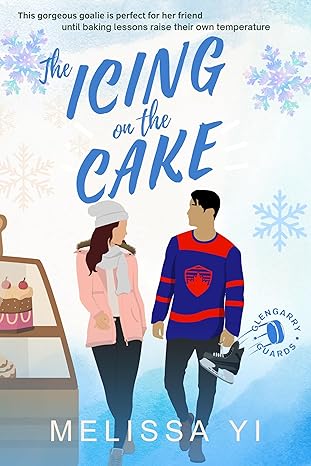


















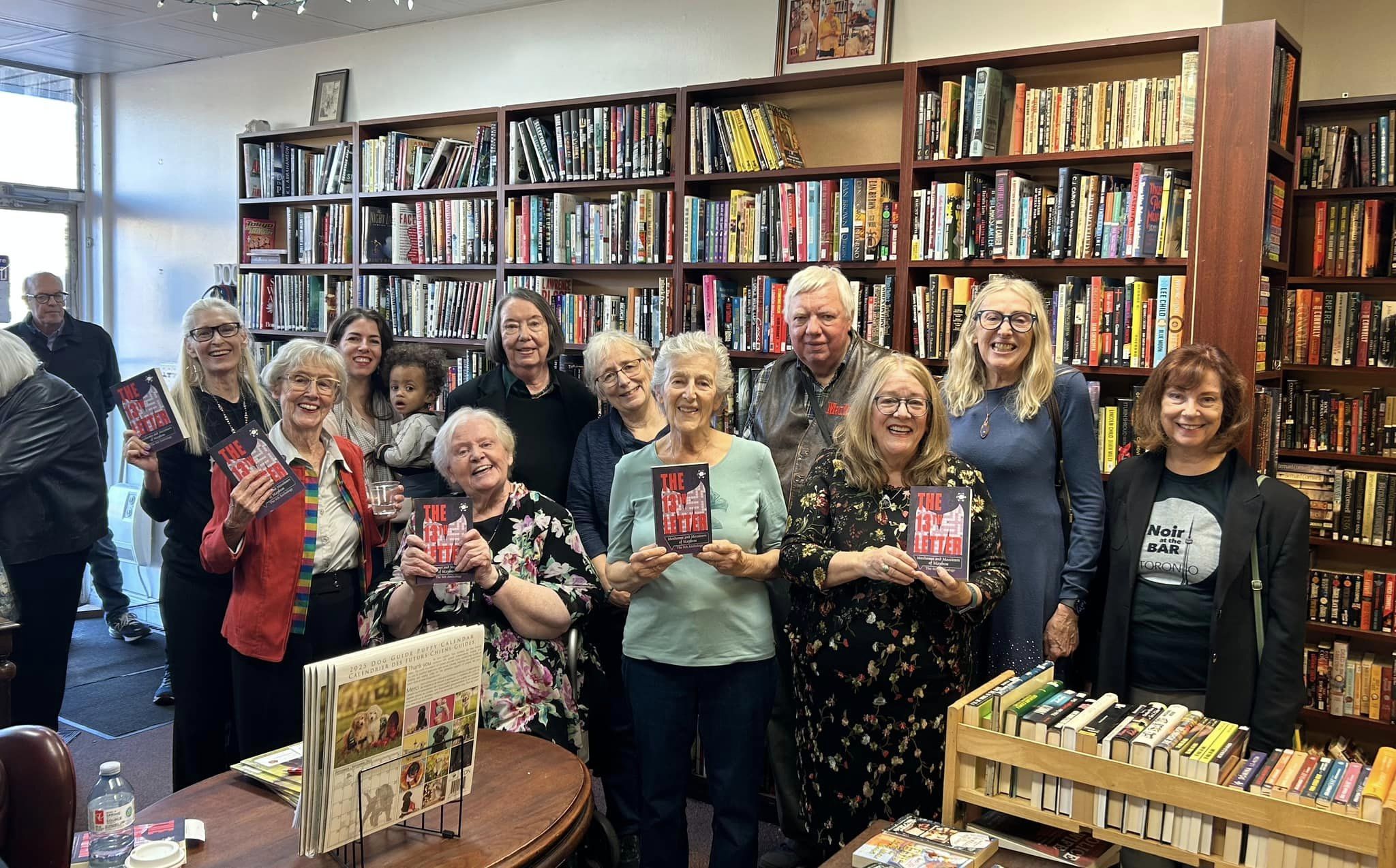

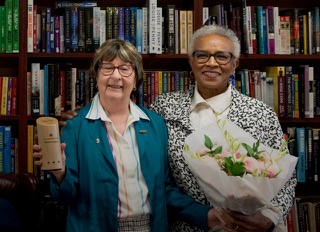


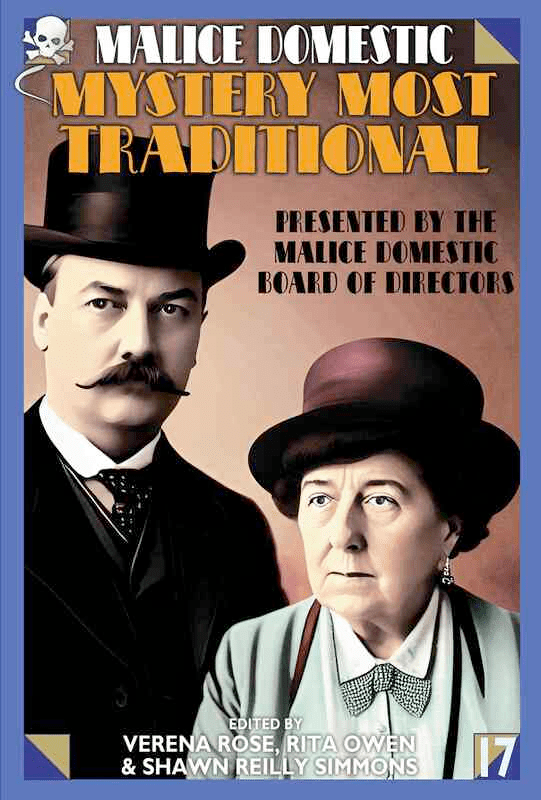





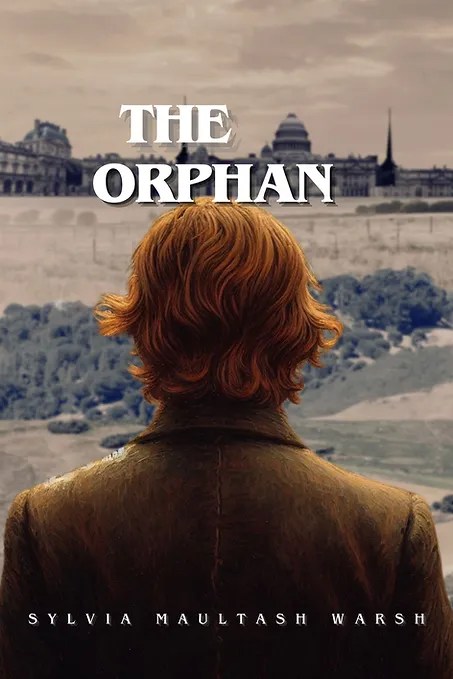

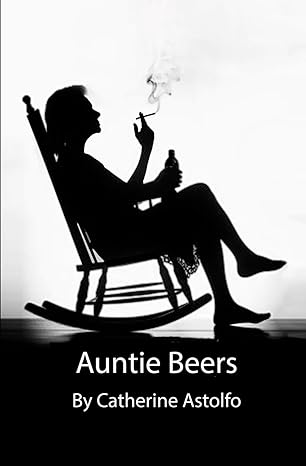





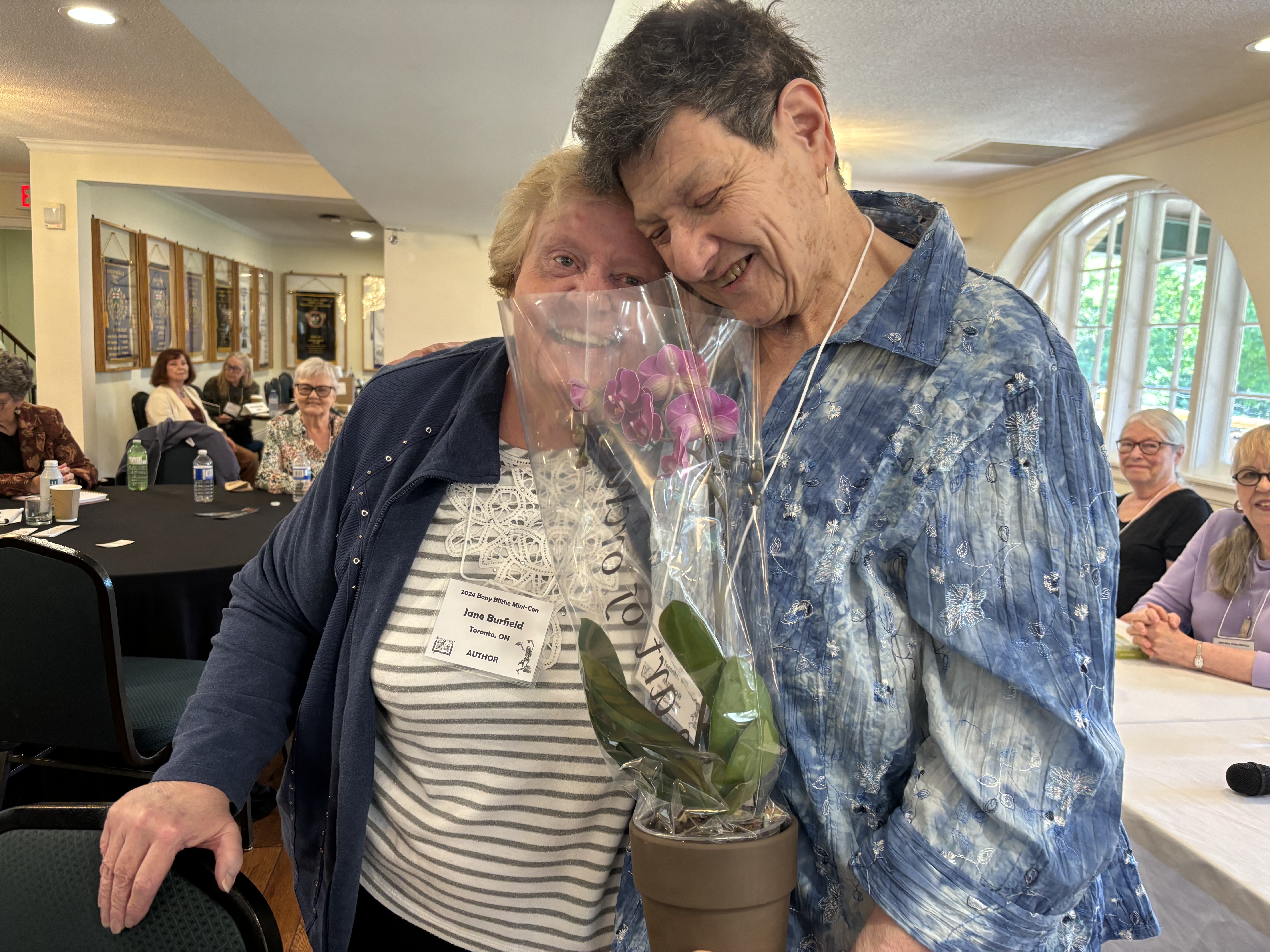
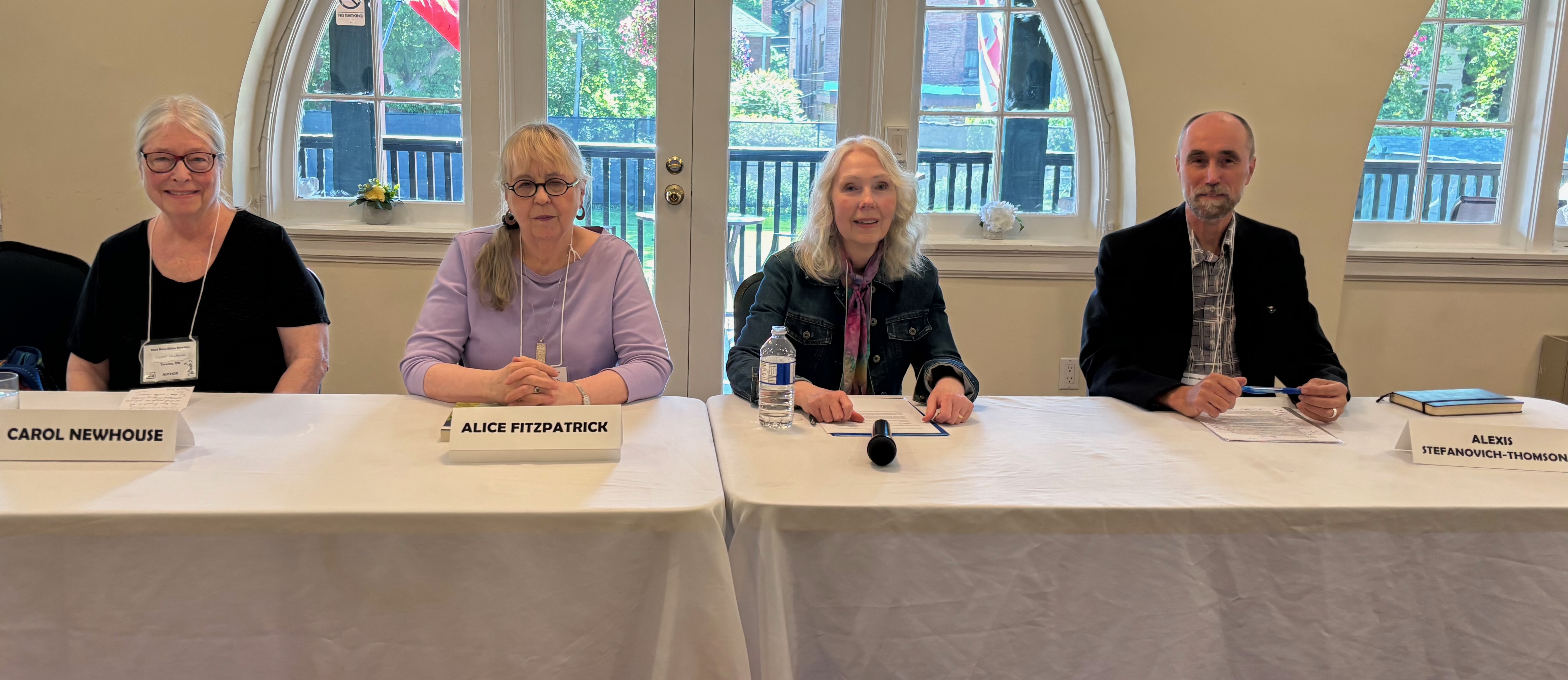








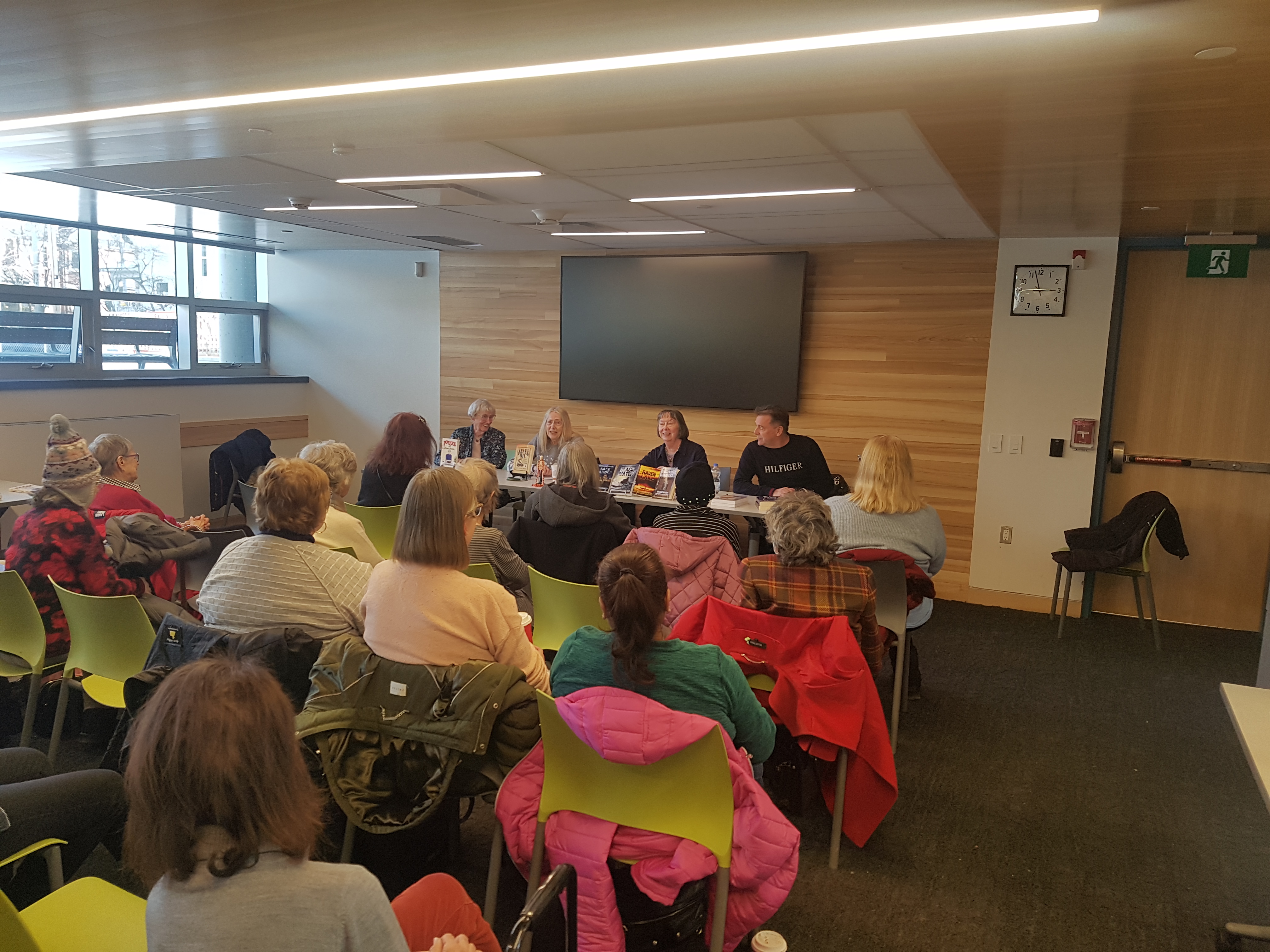









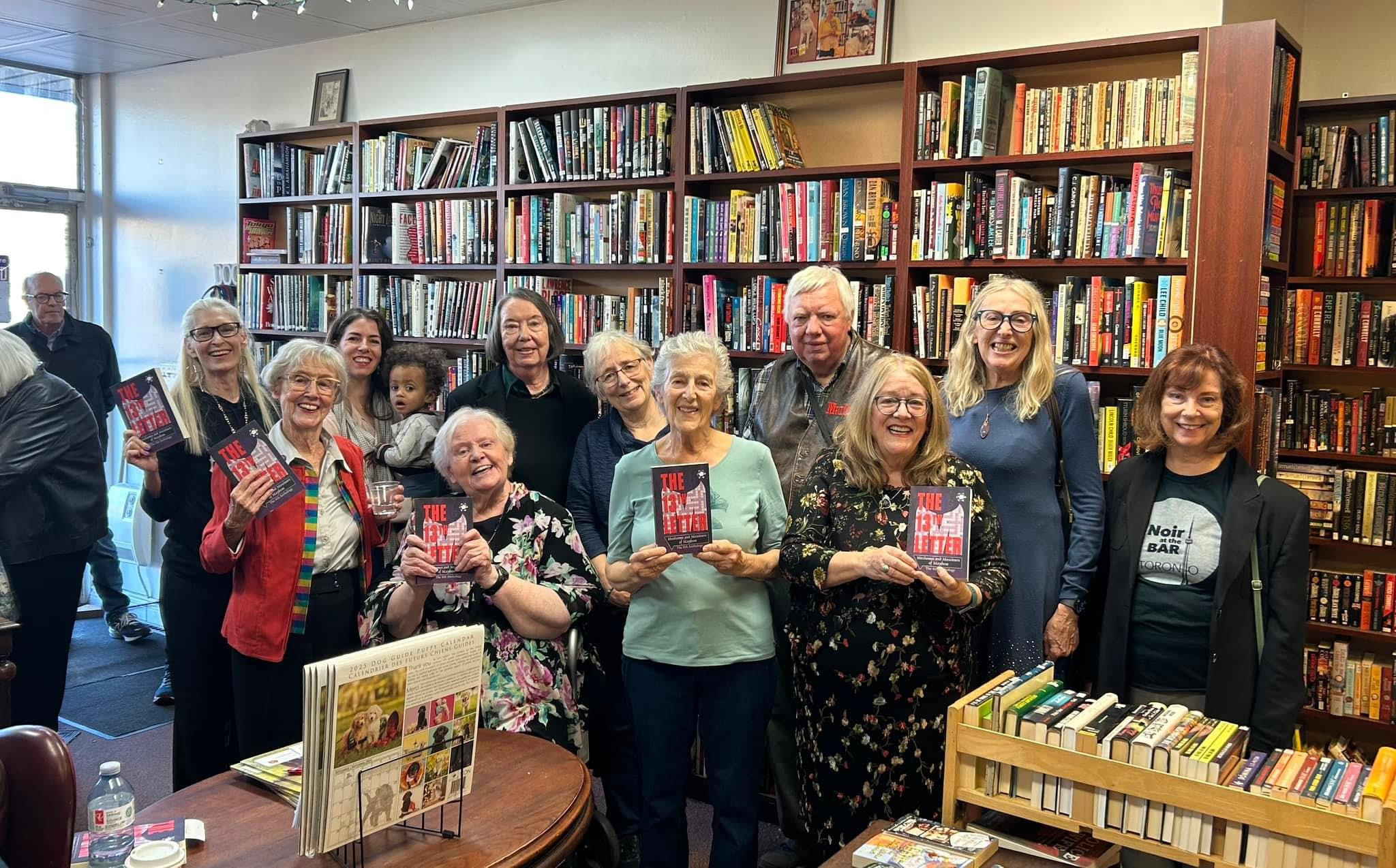


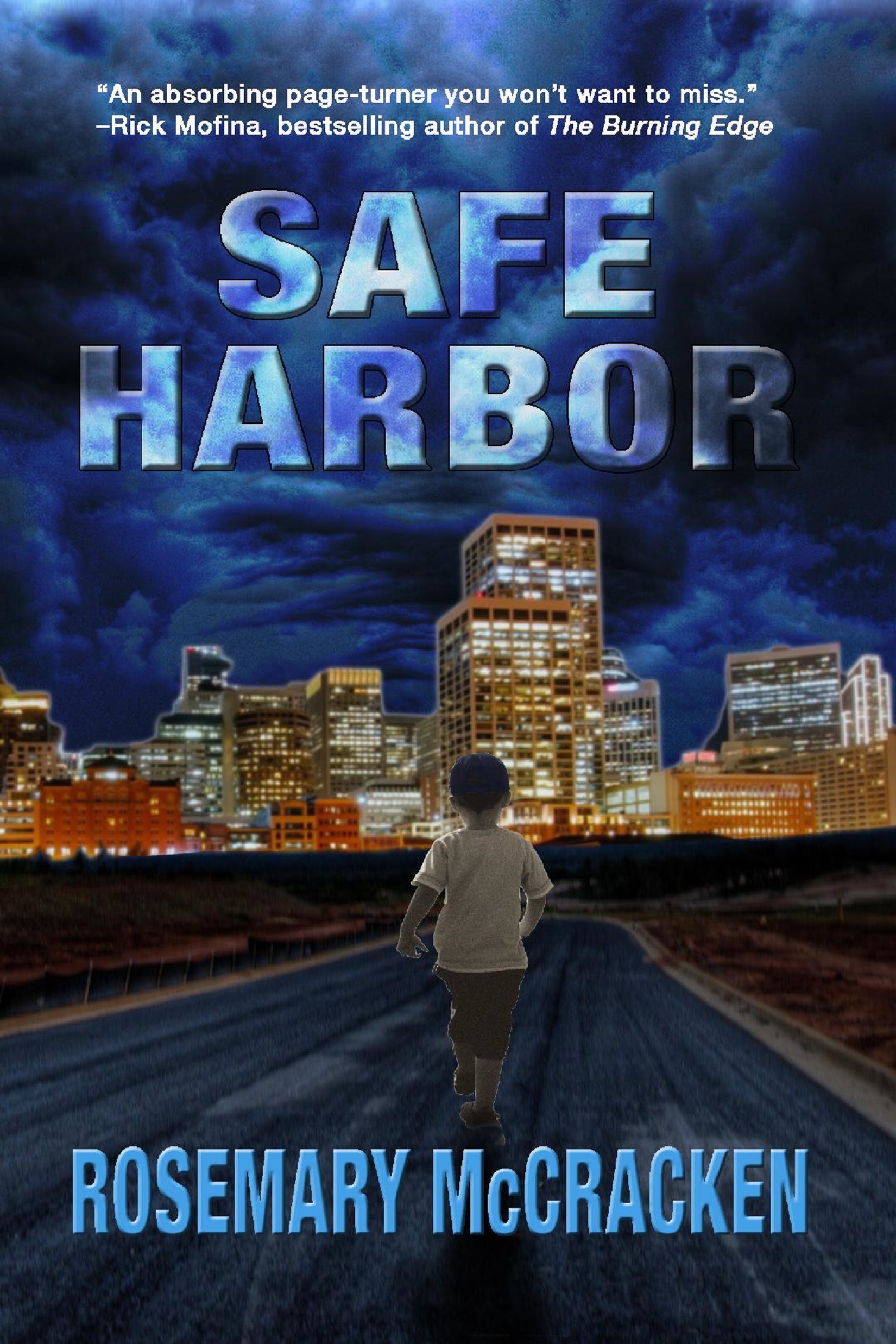











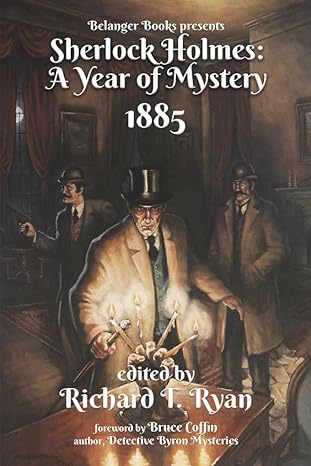


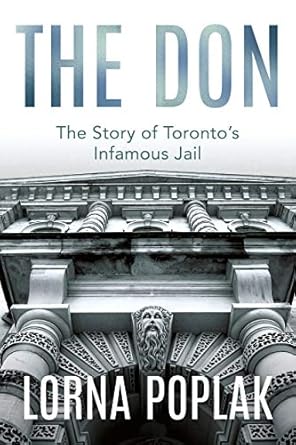









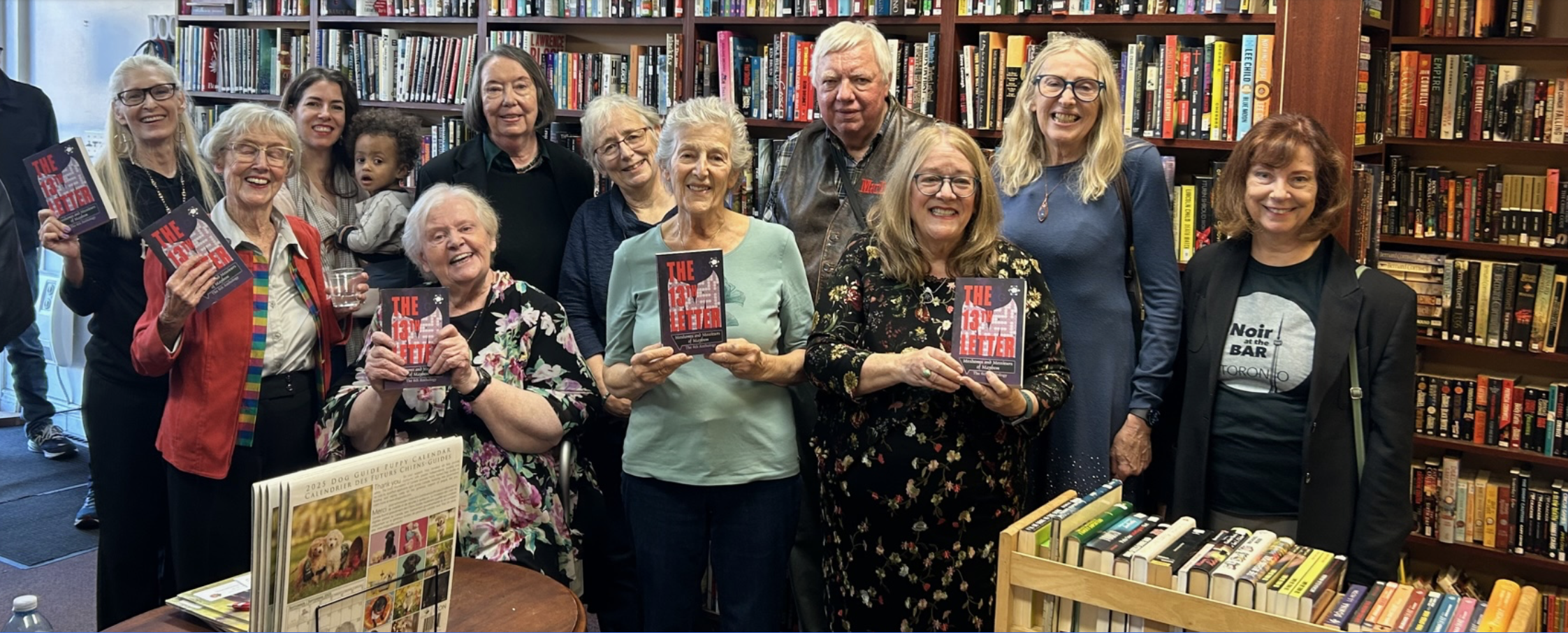
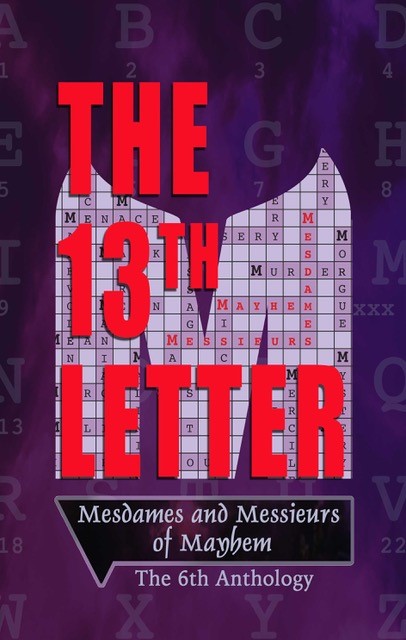

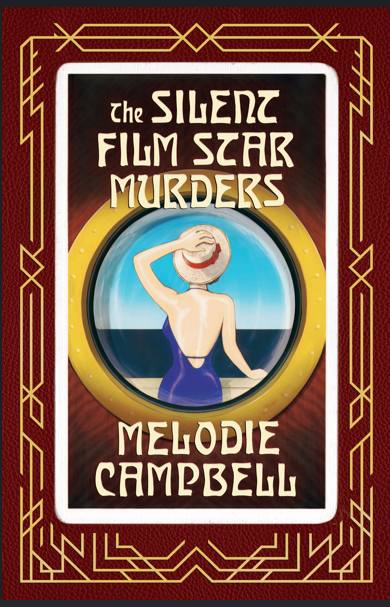


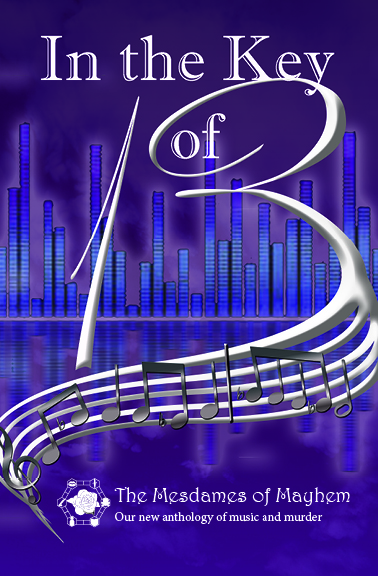
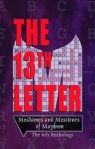




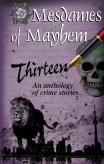


 Mesdames of Mayhem