Dear Readers, this is the summer of a revived Bony Blithe Mini-Con and much more!
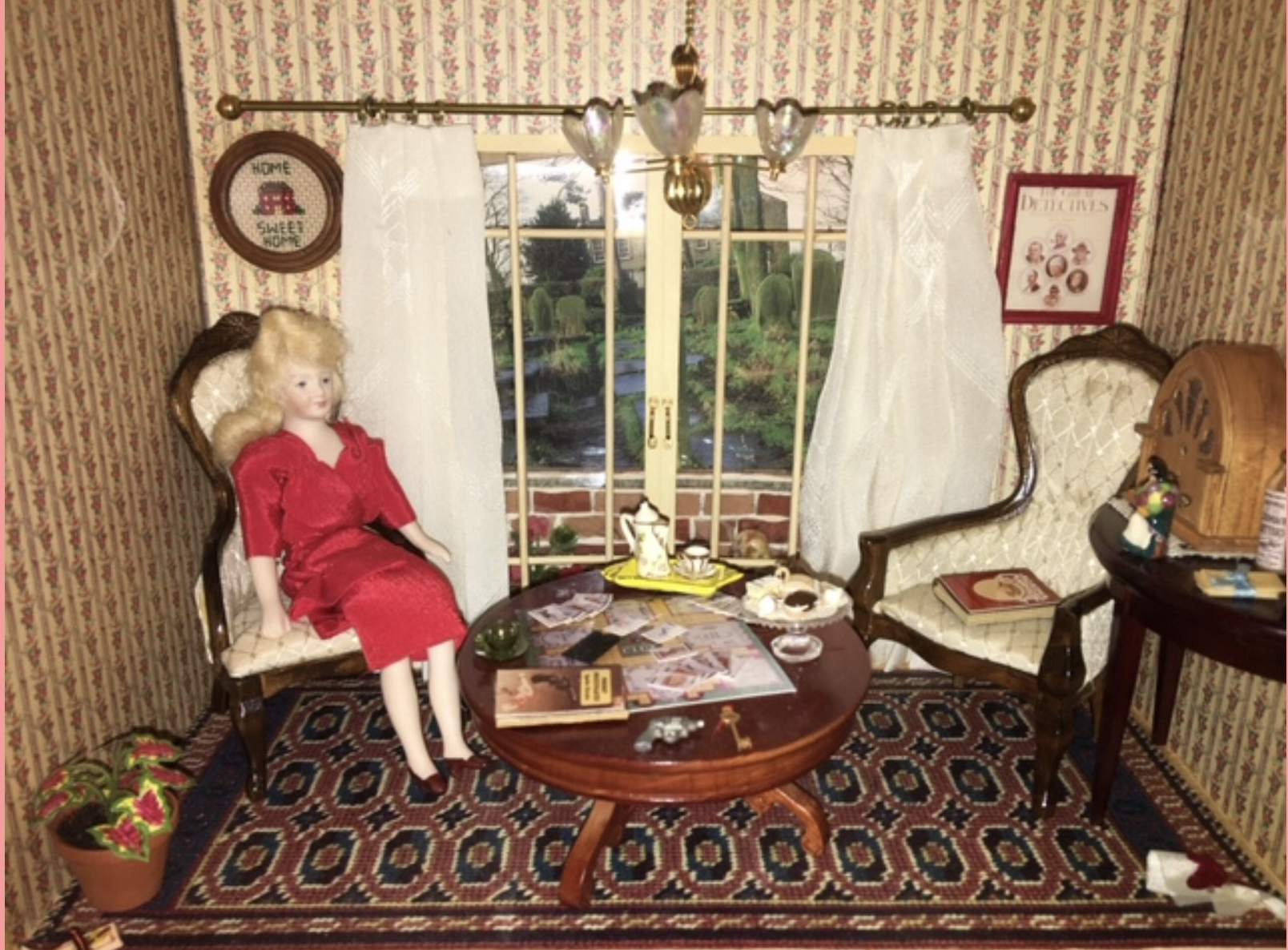
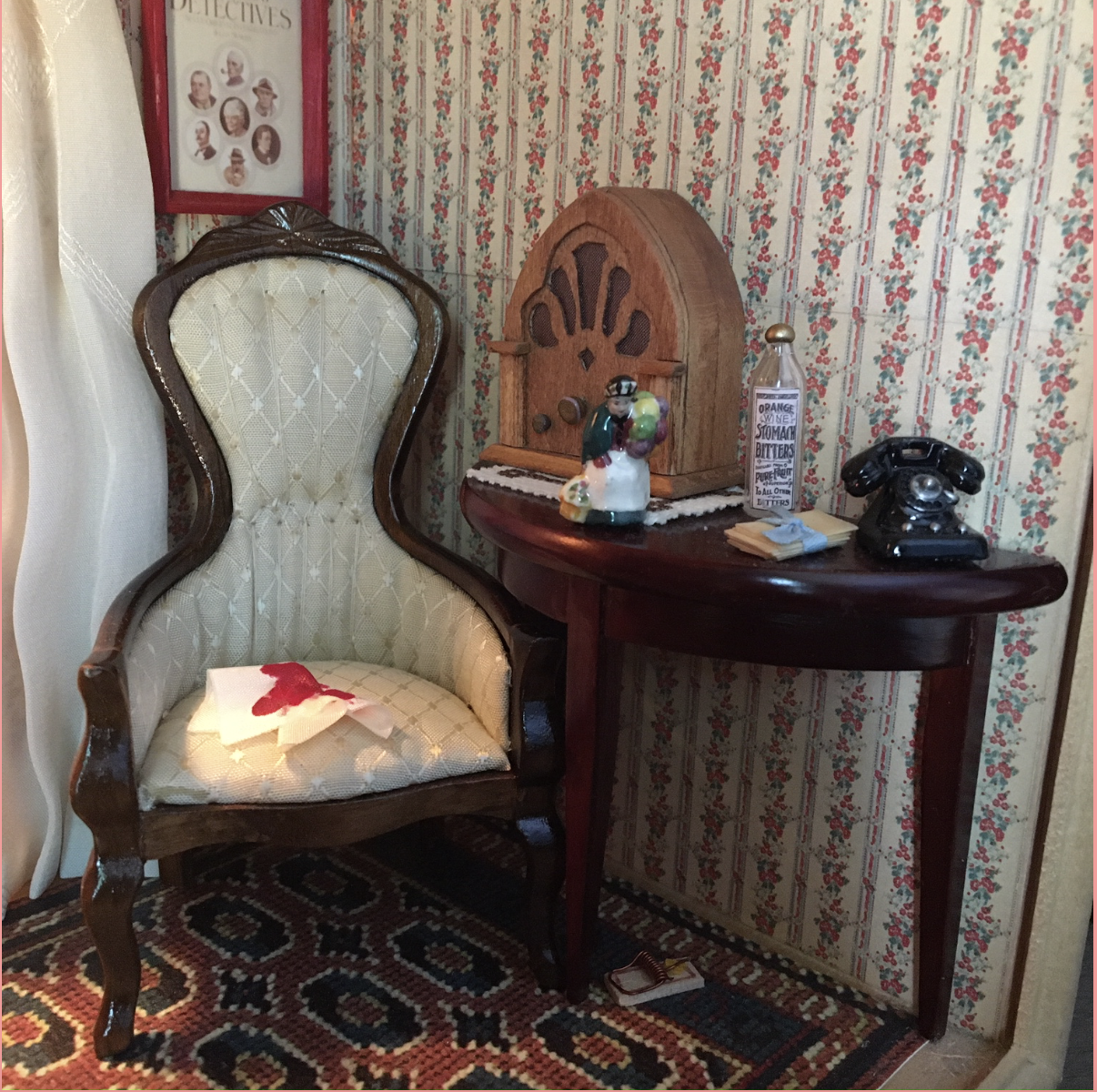
With thanks to Susan Daly and her miniatures
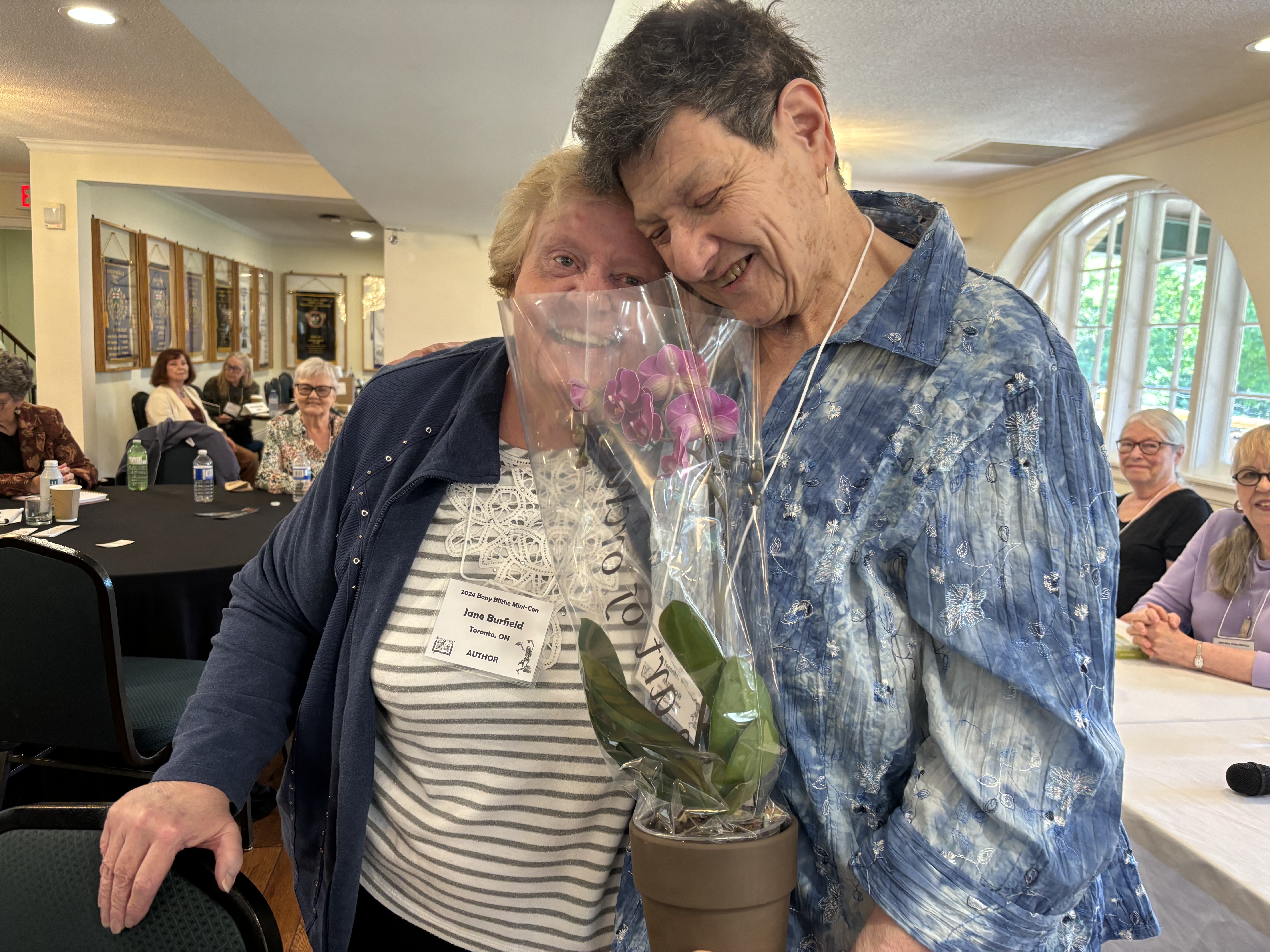
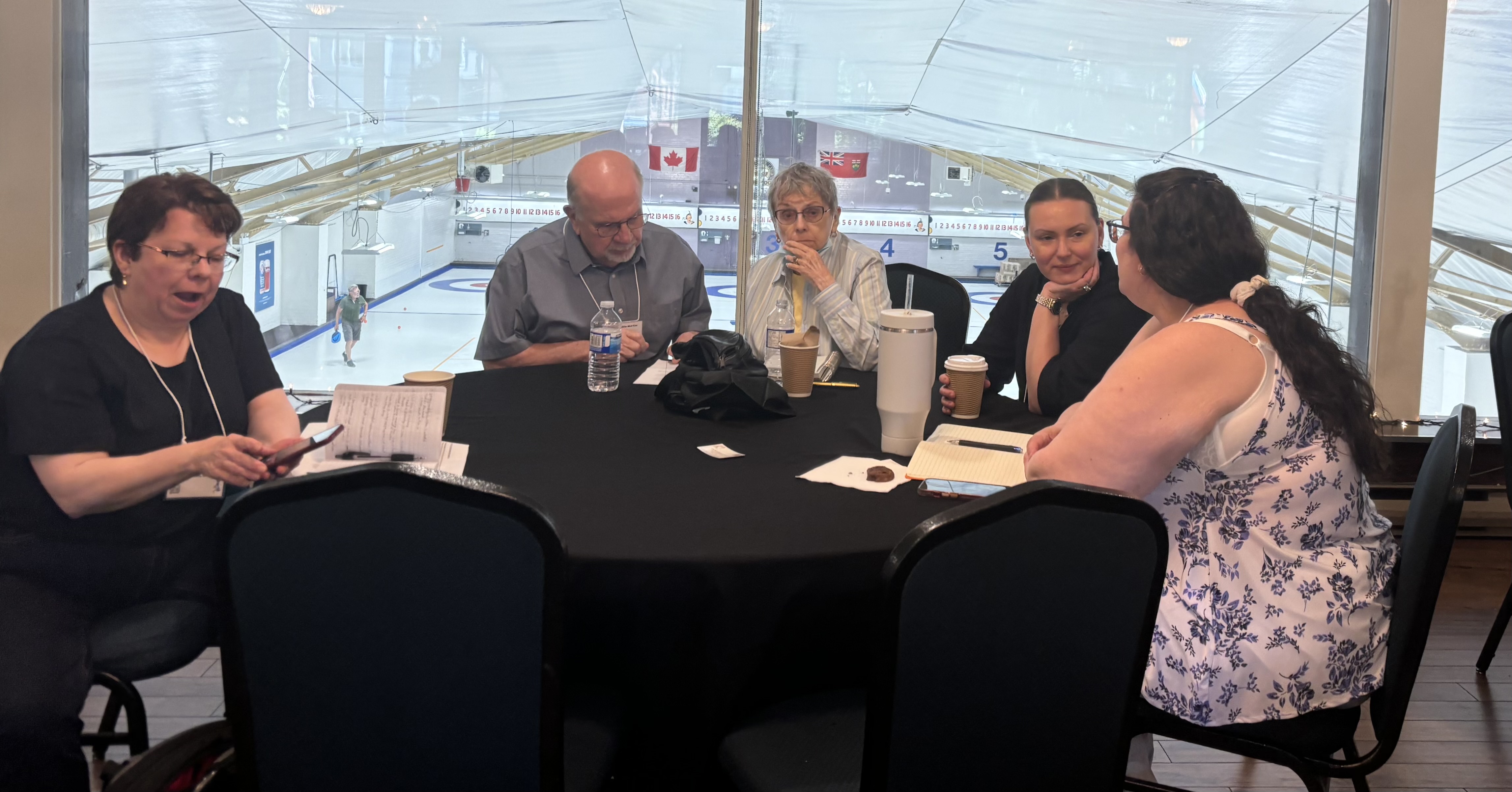
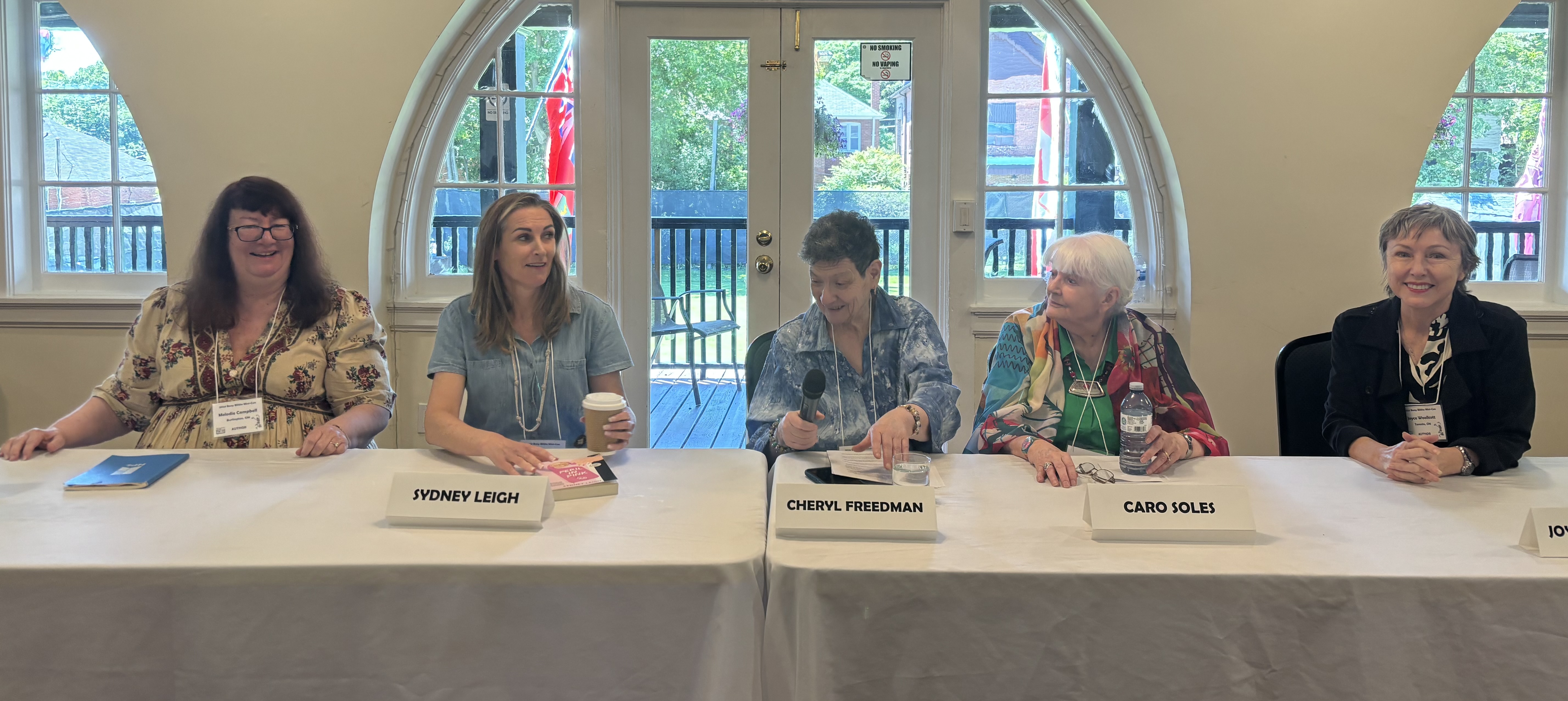
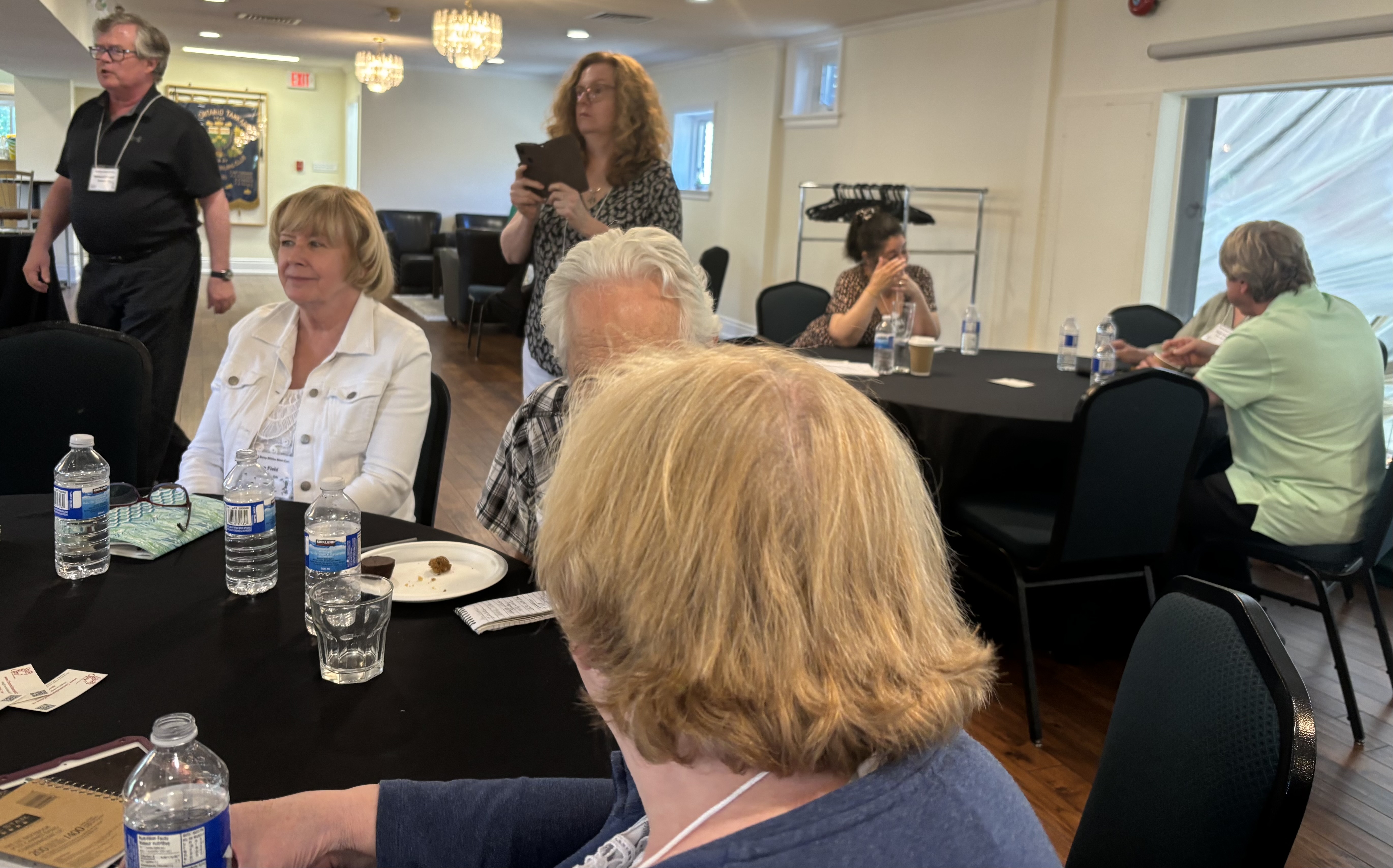
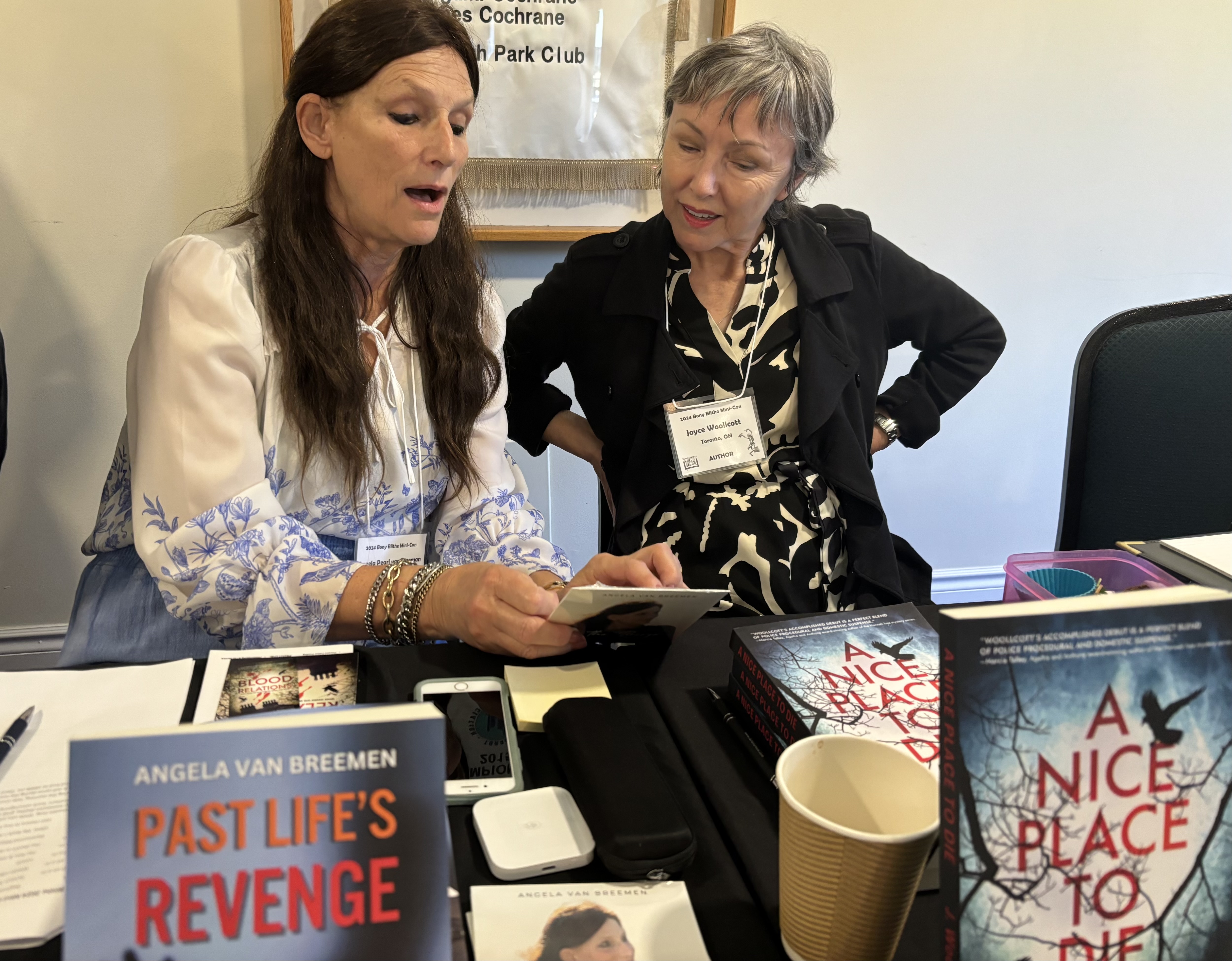
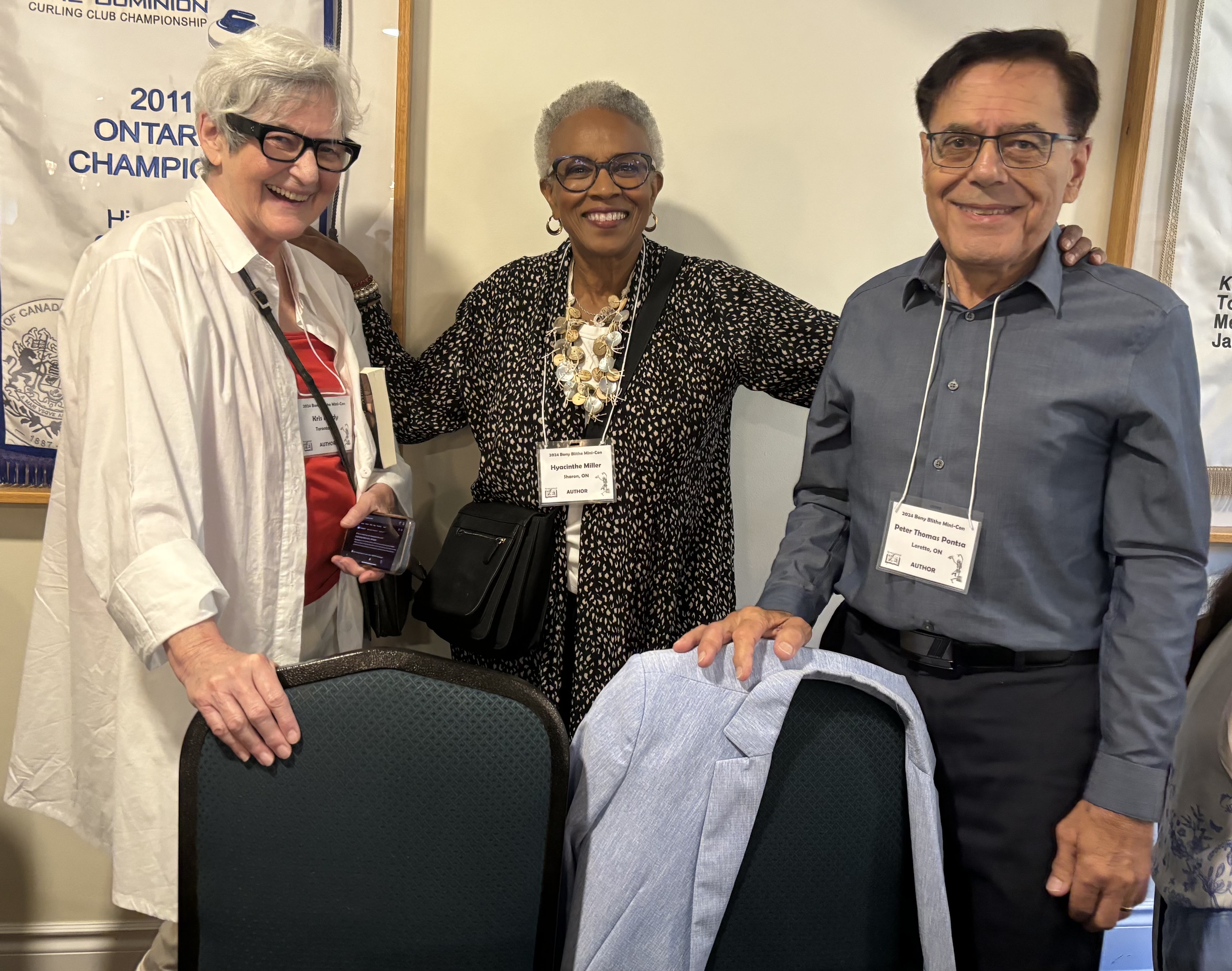
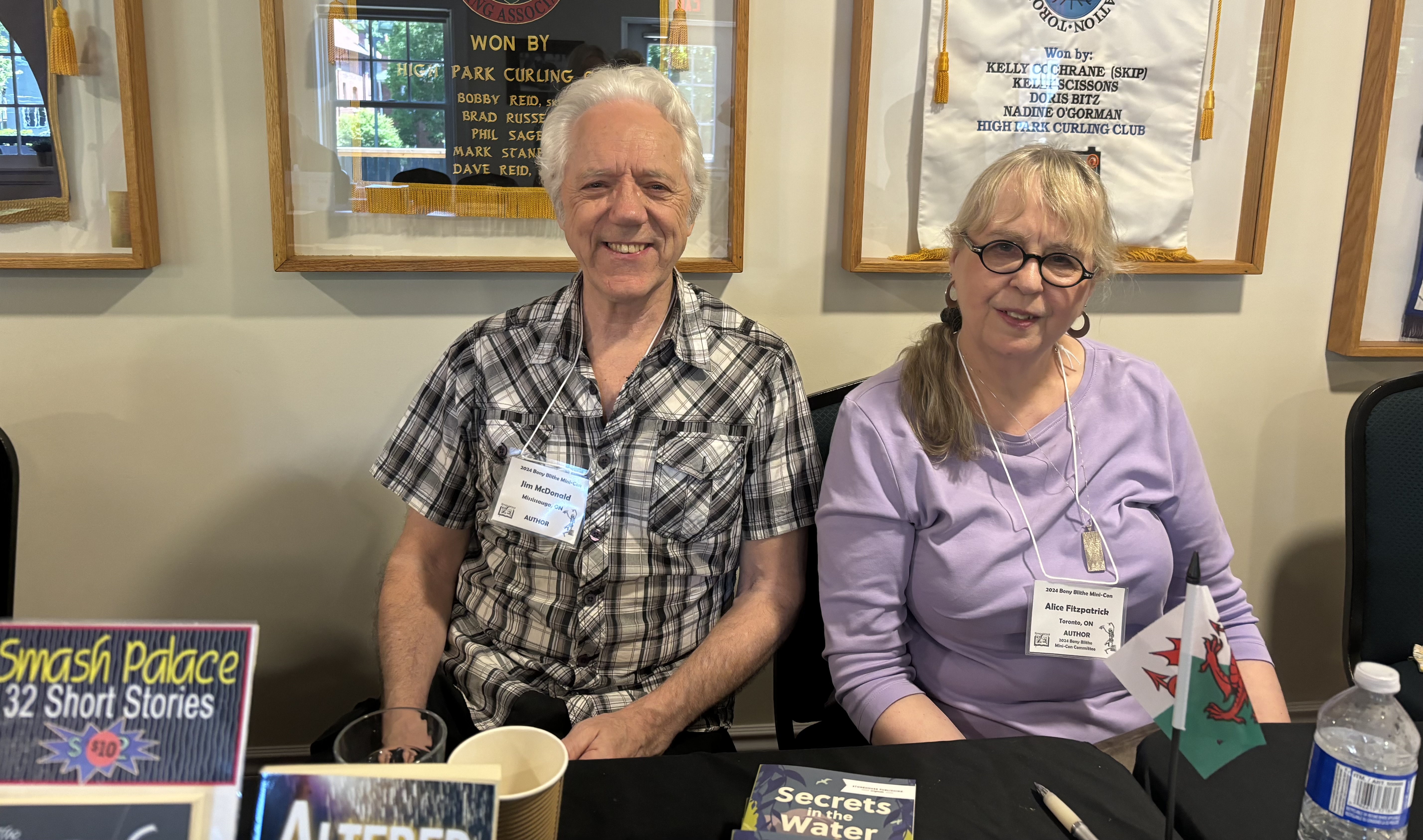
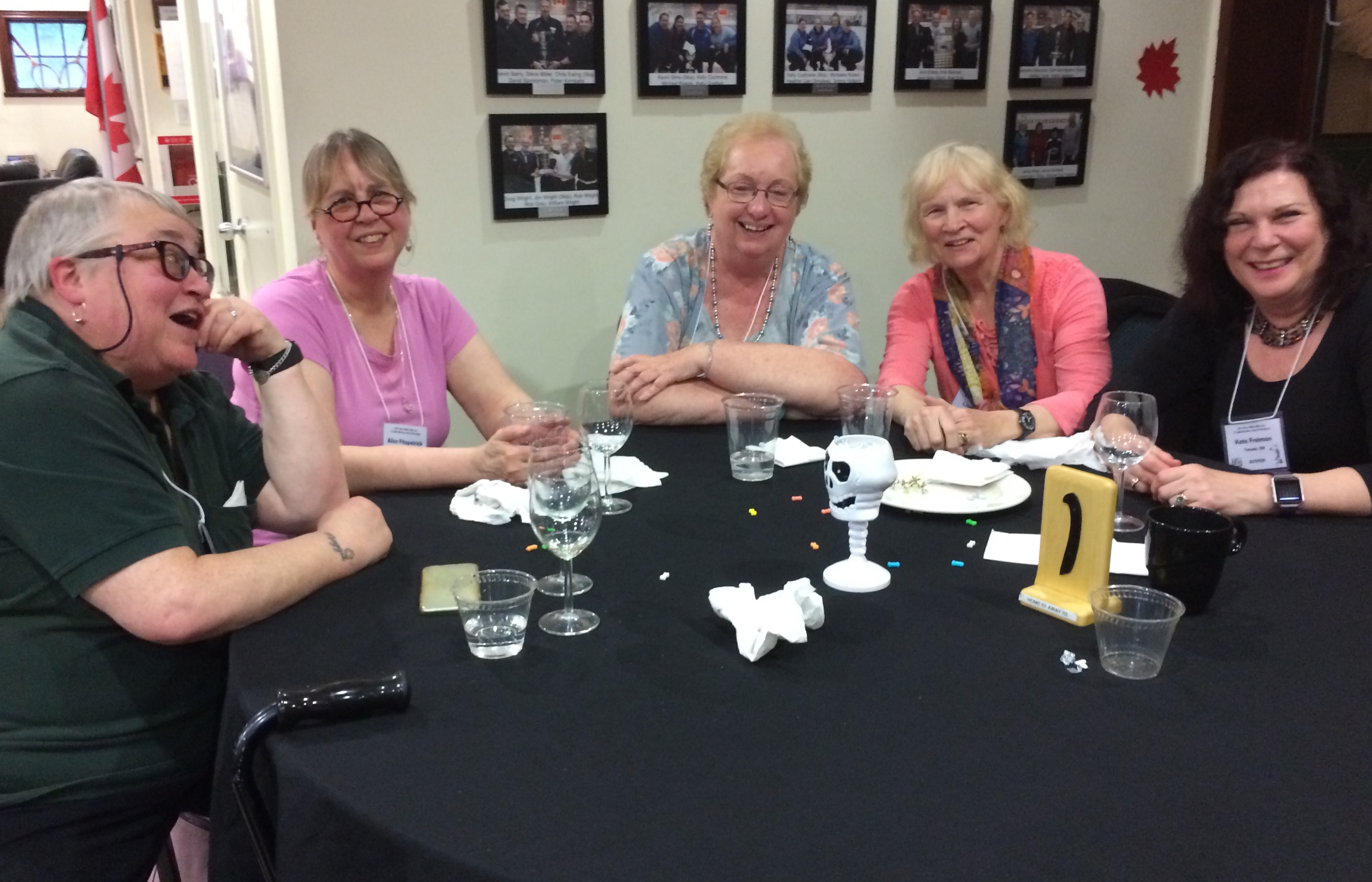
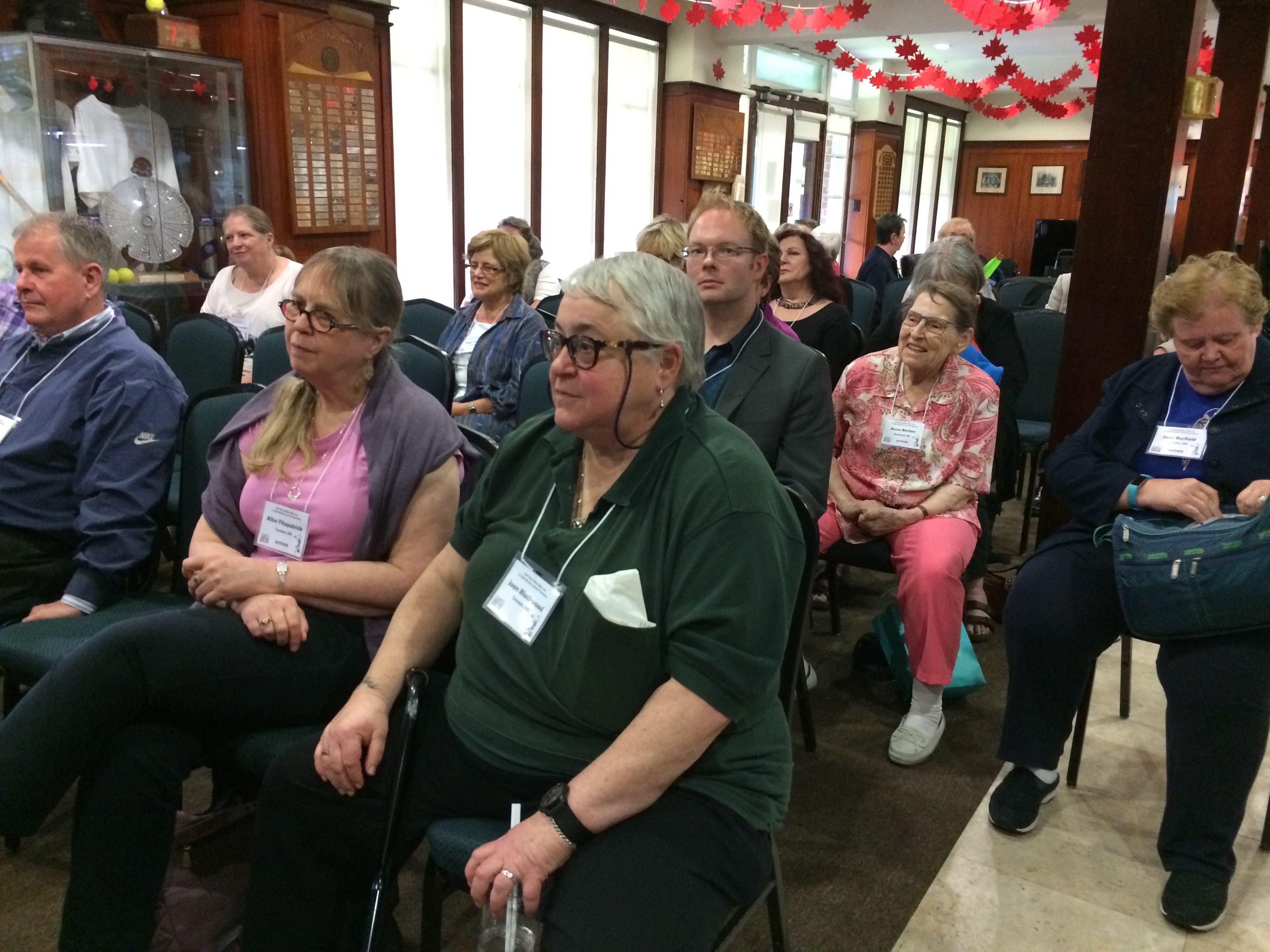
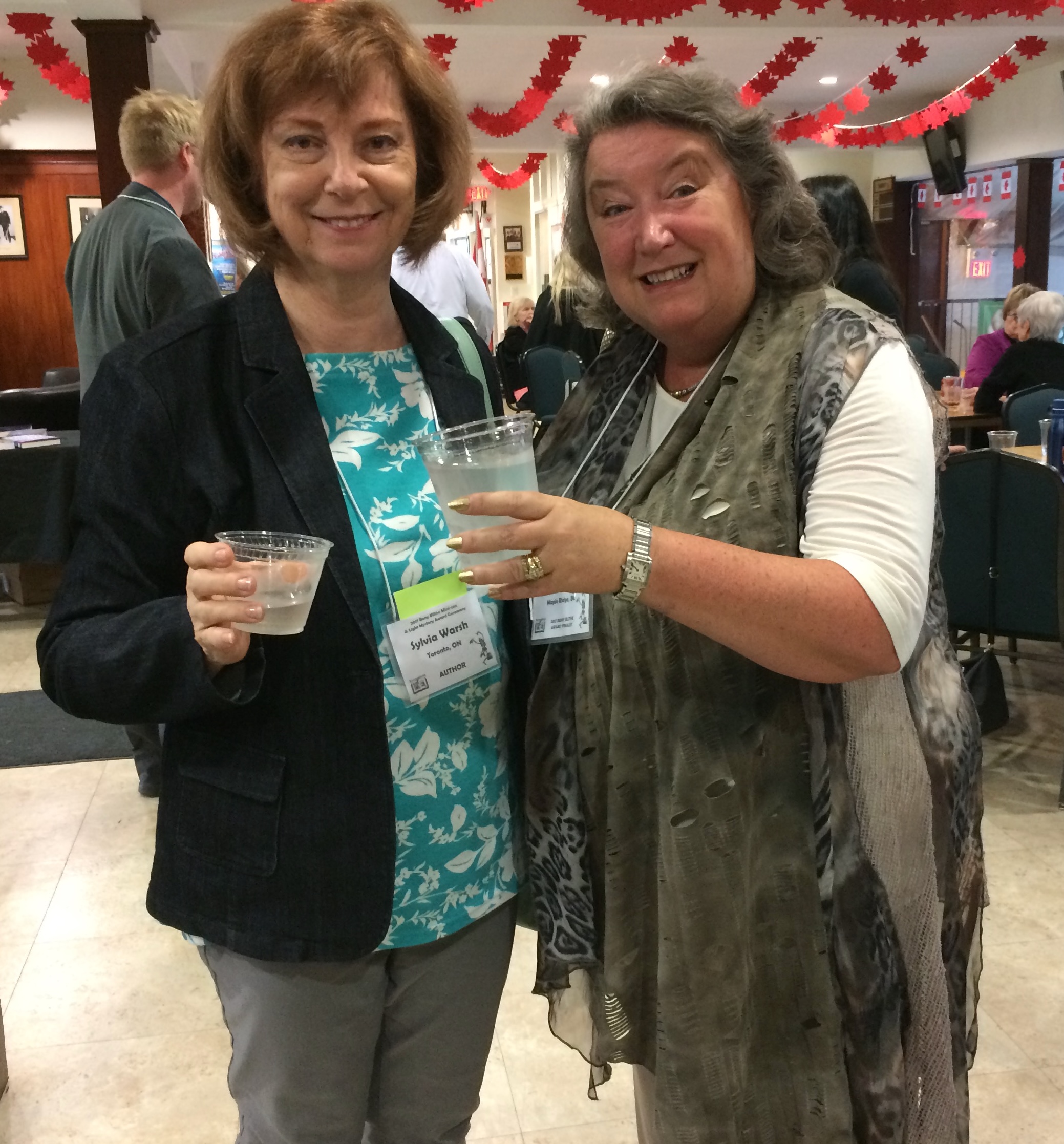
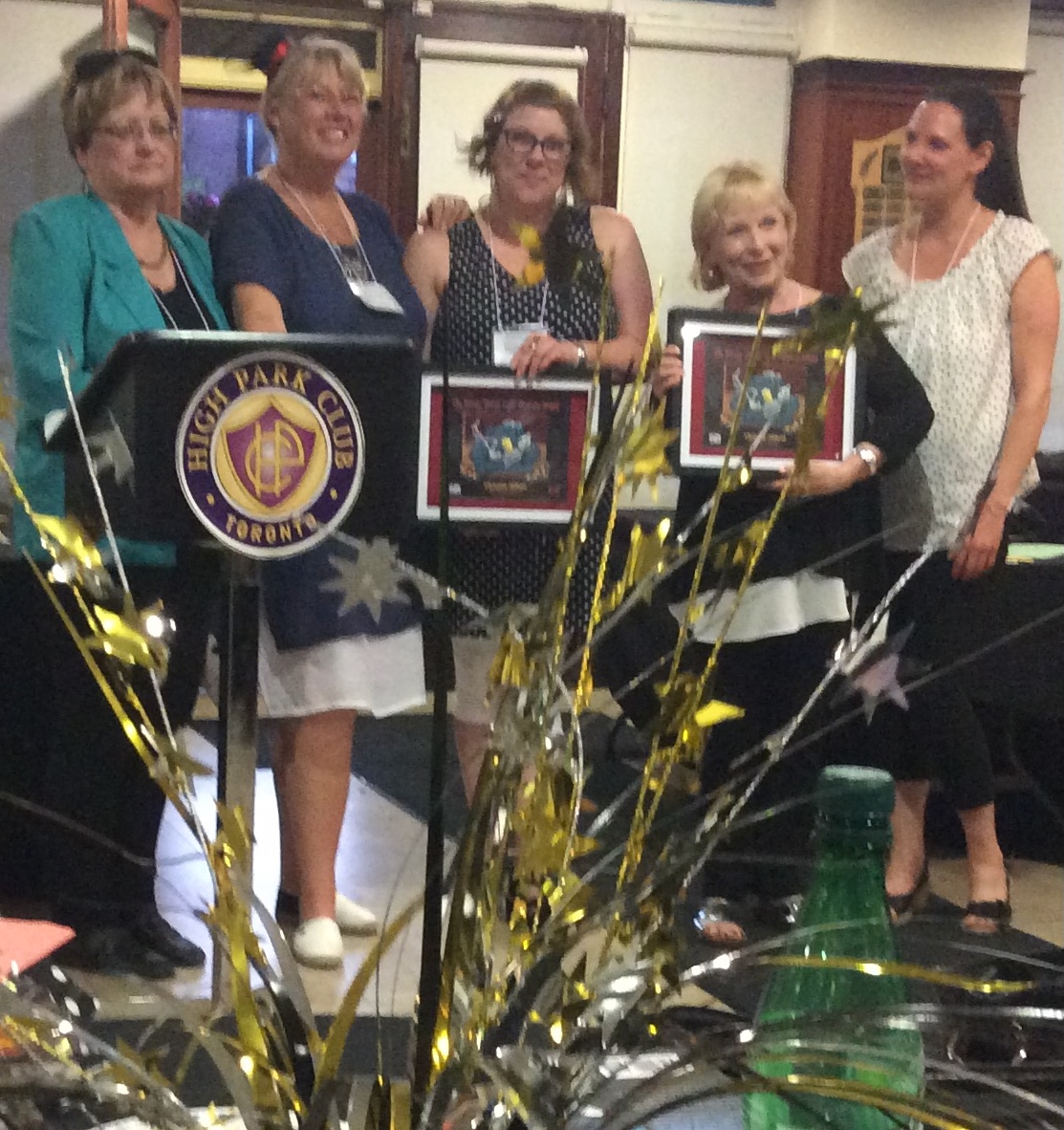
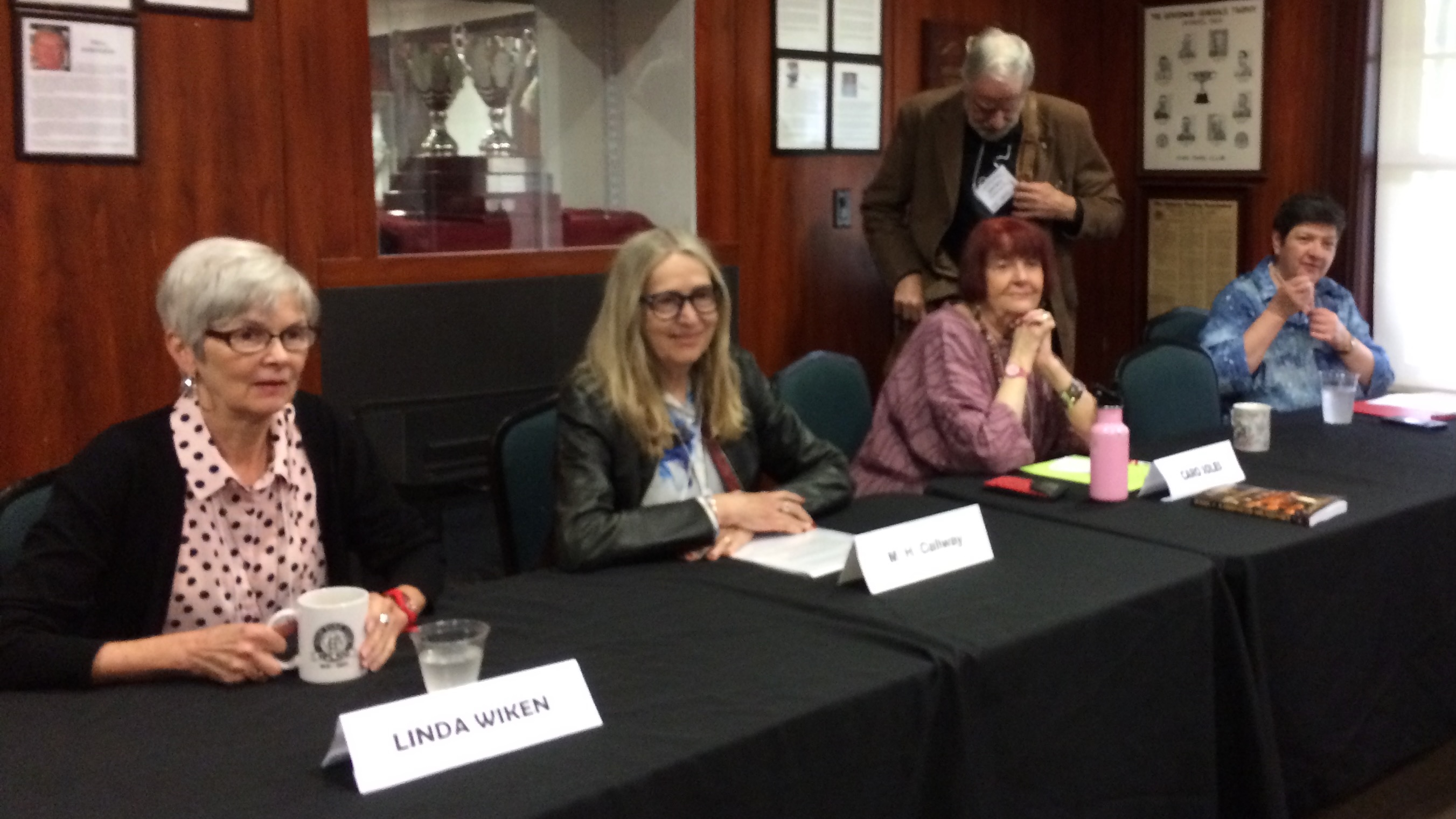
After the gloom of COVID, the Bony Blithe Mini-Con revived this June 15 offering six author panels, books sold and signed by terrific authors, some free books and yummy eats. Best of all, there was a wonderful spirit of camaraderie.
Thank you, Mme Cheryl Freedman, sister Elaine Freedman, Susan Daly for your miniatures and wisdom on the Short Story panel, and all the panelists and attendees who made this a memorable event.
CONGRATULATIONSAND PUBLICATIONS
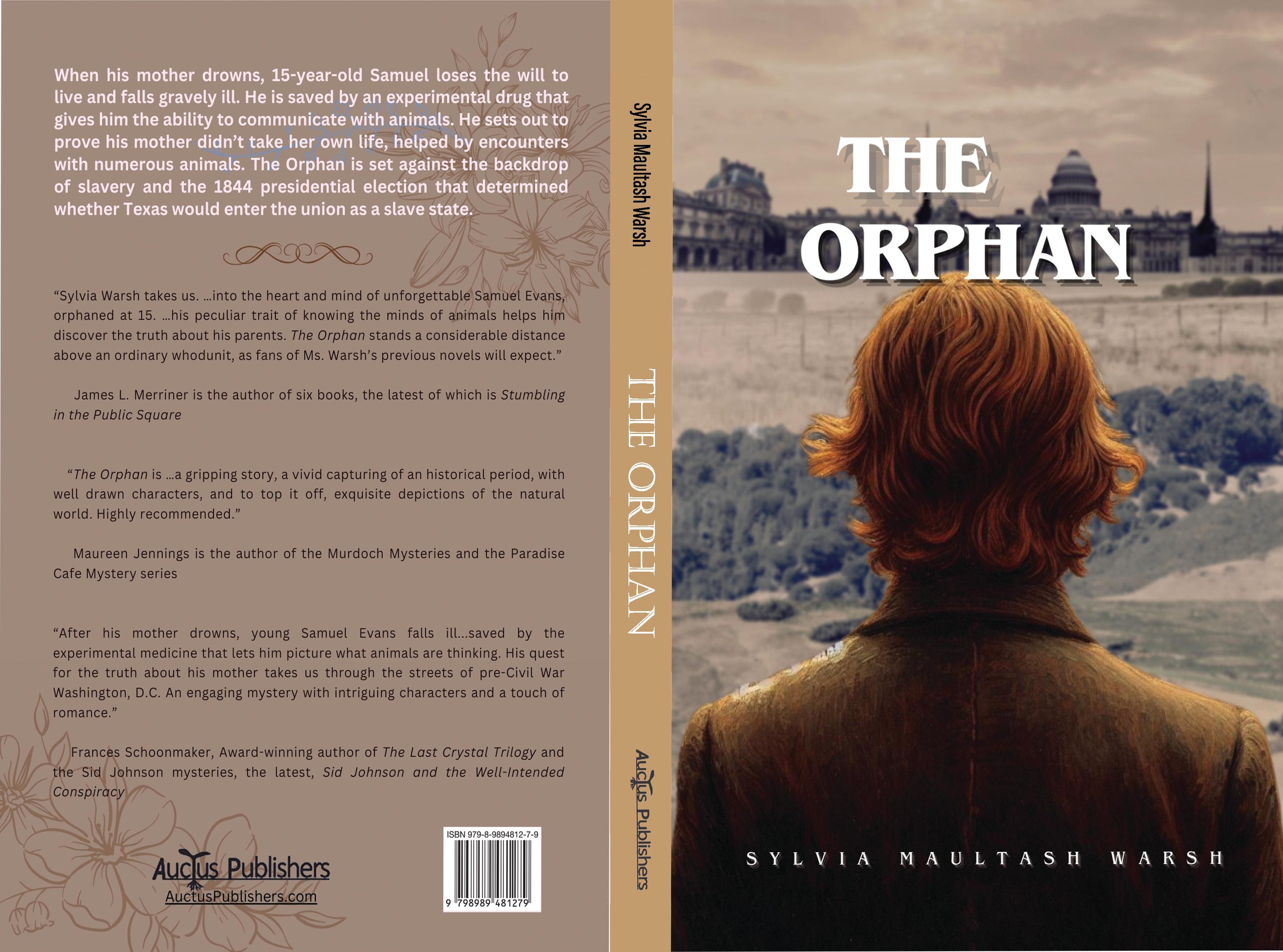
Mme Sylvia Warsh’s new novel, The Orphan, just received a wonderful review in Kings River Life Magazine.The Orphan, in Kings River Life Magazine, starting with the line:
“The Orphan, by Sylvia Maultash Warsh, is an immersive historical mystery, unlike anything I have read before.”
Kate Zhao, the corporate lawyer, faces down her best friend and first lover who dumped her when they were both 17. Now that he’s all grown up, he wants to make it up to her. Hailey St. Laurent falls in love with her baby girl and belly dancing, only to pull away from her husband. Gavriella Schumacher, the sassy Jewish engineer, picks up a guy who turns down the fornication but sends her clues through songs. Is he crazy, or a kindred spirit? Friendship. Love. And a whole lot of chaos.
MESDAMES ON THE MOVE
Mme Rosemary McCracken will have a book table where she’ll sell and sign her books at Bookapalooza in Minden, Ontario, on Saturday, July 13, from noon to 5 p.m. In the Minden Community Centre, 55 Parkside Street. Admission to Bookapalooza is free.
Drop by if you’re in the lovely Haliburton Highlands!
Mme Madona Skaff will attend the multi-genre conference, When Words Collide, held at the Delta Calgary South Hotel, 135 Southland Drive SE, Calgary, from August 16 to 18.
Madona is on two panels, both on Saturday, August 17. “Mastering the Macabre: Techniques in Crime, Mystery and Thriller Writing” and “We are the Heroes not the Sidekicks: Building Worlds and Stories in SFF that centre disabled protagonists.”
Mme Caro Soles will host an exhibitor’s table with fellow gothic/horror author, Nancy Kilpatrick, at Fan Expo, Toronto Metro Convention Centre, from August 22 to 25. Mme M. H. Callway will be attending as a fan!
Our new anthology, The 13th Letter, is on schedule and will feature stories by 23 leading crime fiction authors. And it’s official: our real-world launch will be on Saturday, November 2 at 2 p.m. at Sleuth of Baker Street Bookstore,907 Millwood Rd., Toronto.
JULY AND AUGUST SHORT STORIES
Our July story is by M. Ed Piwowarczyk. Ed’s supernatural thriller, “The Haunting of Mississippi Belle”, was first published in the Mesdames and Messieurs’ fifth anthology, In the Spirit of 13(Carrick Publishing).
Our August story is by Mme Rosalind Place. “Bad Vibrations”, her tale of a community orchestra gone very wrong, was published in the Mesdames and Messieurs’ musical anthology, In the Key of 13 (Carrick Publishing).
Mary Patterson worked as a potter and garden columnist for community newspapers. After retirement, she planted several community garden projects with her husband before turning to a life of crime…writing.
Despite being a life-long dog fan and never having owned a cat, she created Malachi, a wonderful cat detective for her first-ever crime story, “Night Vision”. She submitted it to the Mesdames’ 2017 contest for emerging crime fiction writers for our 13 Claws anthology. And she won!
In this cozy and funny mystery, Malachi, proves he is far smarter and far more observant than his human PI owner.
NIGHT VISION
Malachi rolled himself over into the patch of sunlight by the front window. He was feeling rather hungry, and there had been no sign of the keeper of the can opener arriving home. This was a misfortune, he felt, as his tummy rumbled gently with emptiness. Then he heard the familiar slam of the door of the old blue car, and he knew that help was on the way.
Purring, he made the usual feline obeisance by rubbing himself against the trouser cuffs, receiving an affectionate stroke down his back. “Hungry old guy?”
Of course he was hungry! Didn’t this man know that cats should be served meals on a regular basis? He realized he’d have to give basic obedience lessons to this new owner. It was such a shame that his old owner had disappeared so suddenly, just when he’d had her well disciplined! That was the trouble with these tall creatures, who inhabited the cat world. No consideration!
So here Malachi was, starting basic training once more. This one, however, might be more of a problem, as he seemed to disappear and reappear at odd times. Yesterday, for example, he’d hung around all day and then suddenly went out when it was very dark, and hadn’t reappeared until nearly noon.
The whir of the can opener brought Malachi to the kitchen, and he wove his way around the trousers until he heard the welcome plop of food hitting his bowl. Sniffing, Malachi hoped for the delicious scent of chicken, not that smelly fishy stuff that sometimes was placed in front of him. That was another job he would have to work on: no fish, and not too much liver, it really gave him heartburn. But today was one of the good ones, and he wrapped himself around his bowl of Kitty Delight Chicken, fervently lapping it up in tiny bites until the bowl was glisteningly empty.
“You must have been hungry” came the ridiculous remark from over his head, and he went into the prescribed routine of purring and rubbing once again.
No, not hungry, half-starved, he thought and padded over to the litter box, where he turned his back pointedly, and then was delighted to see that this early lesson on how to request fresh bathroom products had finally sunk in. The soiled product had been rapidly removed from near his fastidious nose and replaced with a clean refill. Perhaps this new one wouldn’t be too hard to train after all, he thought, if only he would start keeping more regular hours.
The jangling ring of the telephone interrupted his thoughts, and he was aware the tall one was speaking rapidly to someone, firing off questions and talking to himself as he wrote down what must have been instructions.
“Okay,” he was saying, “You’re leaving this evening? Ten thirty? Yep. I’ll be there. Let’s see if we can catch the two of them together this time. Last evening was a total washout. Just your wife and a couple of girlfriends at another woman’s house, I found. A “girls night out” I guess. They had pizza delivered and they brought in beer and never left the house until 10 this morning. Maybe we’ll have better luck tonight. How long are you gone for? And she knows that? Great. I’ll try to get a few pictures if I can. Do you know what this guy drives? Yeah, yeah, I got that. A red convertible? You’re sure? Yeah. That’ll make the job easier. I hope to have some evidence for you when you get back. Luckily it’s supposed to be warmer tonight. Makes watching from a car much more comfortable. Okay. Wish me luck!”
“Got to get some sleep,” he told Malachi after he’d hung up the phone. “I’m back on duty again tonight. Want to come with me? I could sure use some company out there.”
Malachi purred his assent, though he was fairly sure his message wasn’t understood. “Sure I’ll come along, if you’ll guarantee some refreshments,” he meowed.
And that evening, as the coat was being donned once again, Malachi planted himself firmly at the front door, ready for an evenings outing. That was one of the drawbacks of this new owner. He was never let out for the night, his favorite time to be out on his own.
“Hey! That’s right! You can be my partner tonight. Two sets of eyes are better than one, they say, and for a private eye, that goes double! I’ll just bring along your harness if you need an outing. A litter box in a car isn’t my idea of fresh air.” And the legs hurried back down the hall to the kitchen.
And don’t forget the refreshments, thought Malachi, who was relieved to see a box of cat snack treats arrive along with the leash. He allowed the pink collar to be fastened around his neck. (What had the man been thinking! Pink?) And then he obediently strolled out to the old car and leapt gracefully in, amongst the accumulated debris that seemed to fill much of the space , redolent of old cups of coffee, half drunk and then forgotten, and paper bags with the grease stains of quickly eaten hamburgers. And this guy was bothered by his litter box odors? Malachi sniffed disdainfully and then investigated one of the bags where a few forgotten French fries still lurked.
He curled up on an old car rug as the car started up, and the man’s voice rumbled on, telling him (or was he talking to himself? Malachi wondered) about their duties for the evening. “She’s been running around with this young guy from the local car dealership. Her husband wants a divorce real quick, before she knows that he’s onto her, so she won’t be prepared with some clever lawyer demanding a lot of alimony. Besides, it doesn’t look good for a bank manager to be involved in a sordid divorce.”
Malachi wasn’t sure of the word divorce. His first owner, this guy’s old aunt, hadn’t “run around” with anybody. She just went to work. Malachi thought she was teacher or something. She always smelled of chalk and carried many papers with her, and — and this was a big “and” — she never stayed out all night like this one did! But this man had come quickly when they took her away in a noisy white truck he had heard someone call an ambulance, and she hadn’t returned. He’d taken Malachi home with him, along with his belongings, a bowl, a cushion and a blanket, and leash, but not a collar, as Malachi had hidden it out in the back garden one day. (He was sorry he’d done that when he saw the new substitute pink thing he was supposed to go out in! Talk about embarrassing!)
The evening started off quietly, as they drove for a half hour into a much busier area of town. His owner parked the car away from a streetlamp, which pleased Malachi, as bright lights always spoiled his great night vision.
Are we getting out here? Malachi wondered, sitting up at attention, but soon realized they weren’t, as his driver settled down, head turned toward the window. He seemed to be watching the front driveway of a wide stone house. In the driveway was parked an extremely shiny silver car, large and luxurious looking. While Malachi watched, the front door opened, and a rotund man, with silvery grey hair emerged, carrying a small suitcase. He glanced around, and spotting their old blue car, waved briefly at his owner who returned the gesture. A red-haired woman appeared, framed for a minute in the doorway, kissed the man perfunctorily, before disappearing back inside.
The man opened the car door and swung the suitcase into the back seat, then drove off. The street returned to silence for some minutes, and Malachi and his owner settled themselves more comfortably, until a low red convertible swung into the driveway with its radio blaring loud music.
The car driver emerged, a tall, dark-haired young man who gave a furtive glance around before loping up to the door of the house and knocking. When it swung open, the red-haired woman made another brief appearance, and then the two of them disappeared within. After a short while, the lights downstairs were turned off, and the upstairs windows lit up. They only stayed on for a few minutes.
Malachi saw that his owner was busying himself adjusting a camera, obviously displeased, as he muttered aloud something about poor lighting, and then he sank back down in his seat and eventually started snoring gently. Malachi settled himself into the old blanket more comfortably and also started to take a brief nap.
He was jolted awake some time later by the sound as the large silver car reappeared down the street and screeched to a stop in front of the stone house. The driver threw the door open and hurried to the door, where he started a noisy pounding. Malachi, thinking this might be important to their job, jumped into the front seat on sharp claws, which he used to good advantage to wake up his sleeping partner, just in time to see the door flung open and the young man emerge, pulling a shirt on as he sprinted back to the red car, and vaulted into the driver’s seat. A moment later the motor sprang back to life with a loud roar.
The older man moved quickly to station himself in the way of the red car’s hasty departure. The car driver spun the wheel rapidly to swerve around him, then started up the street, with the older man running after it for a moment. He pulled something from his pocket as he ran, obviously a gun, that caused a loud bang and a flash. He shot at the car three times. The red car abruptly jumped the curb, and slammed into a lamp pole, and all fell silent again. Up and down the street, lights came on in houses, and people emerged in little clusters, wearing assorted dressing gowns and pyjamas.
Malachi’s partner, now wide awake, jumped out of their car and ran to the red convertible, looking inside at the figure slumped down over the wheel. Then he shouted at the older man, “Put the gun down! He’s dead! You’ve killed him!”
The older man in return was shouting, “You saw me.! He tried to run me down and kill me! You’re my witness!”
“No, you deliberately got in the way. He was avoiding you!”
“No, no!” the older man cried. “He tried to kill me! It was self-defence. You saw it! You’re a witness!”
“No, no, no! It was murder!” shouted Malachi’s owner in return. “Give me the gun.” And he strode over and attempted to wrest it out of the man’s hand.
A wailing sound reached Malachi’s ears, as a white police car swung into the street, stopped briefly at the crashed convertible, before drawing up beside the two figures who were struggling, the small man still demanding that he be let go, that he hadn’t done anything. He kept shouting that the car driver had tried to kill him by driving at him. The two officers who had erupted from the squad car pulled the two men apart.
Malachi’s owner was still repeating “No! You got in his way deliberately! He didn’t try to run you down at all…”
Malachi kept shouting at him too, “He’s right, he’s right! You did it!“ But nobody seemed to hear his voice.
“Listen to me! Listen! Why can nobody hear me? That’s another thing I’ll have to work on,” complained the cat before jumping back into the car to find the bag of cat treats that had been spilled in all the excitement.
His owner eventually resumed his seat and turned to Malachi. “Thanks, old man. If you hadn’t waken me up in time, I might have believed that sleazebag’s story. Imagine him trying to set me up like that as his alibi. I owe you one! Say, how’d you like to come on most of my jobs, like a partner, eh? With your night vision, we’d make a great team. Let’s see. We could run the business as Four Eyes Investigations. How’s that sound you to, buddy?”
Oh, night work! Malachi thought. He’d like that and purred his acceptance. But, he thought, I’d better work on those communication skills if I don’t want to just be the silent partner in this business.
Wow! June is busting out and we are busting to share, dear readers!First off we’ve got a date for our next anthology’s launch. A glowing review of The Orphan, two interviews, two conferences and a Ride to Conquer Cancer. And let’s not forget another terrific short story this month.
OUR BOOK LAUNCH IS OFFICIAL!
The launch date of The 13th Letter will be Saturday, November 2nd at Sleuth of Baker Street, 907 Millwood Rd, Toronto!
CONGRATULATIONS
Mme Sylvia Warsh received a glowing review in Thrillfest, the newsletter of International Thriller Writers for her latest book The Orphan.
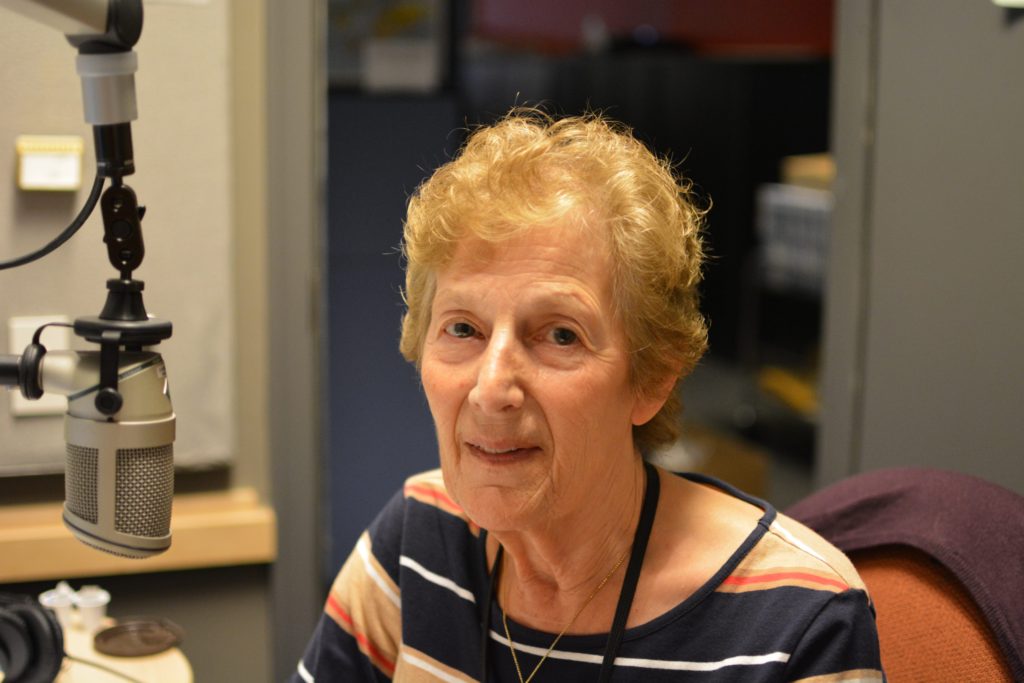
Sylvia Maultash Warsh
Mmes Madeleine Harris-Callway and Melissa Yi were both interviewed by Erik D’Souza of Crime Writers of Canada.
The Bony Blithe Mini-Con, managed by Mme Cheryl Freedman, takes place on Saturday, June 15 from 10 a.m. to 5 p.m. at High Park Club, 100 Indian Road, Toronto.
Mmes Jane Burfield, M. H. Callway, Melodie Campbell, Marilyn Kay, Rosemary McCracken, Caro Soles and Sylvia Warsh will be on panels and/or attending.
Jane Peterson Burfield
Madeleine Harris-Callway
Melodie Campbell
Marilyn Kay
Rosemary McCracken
Caro Soles
Sylvia Maultash Warsh
EVERYTHING YOU NEED TO KNOW ABOUT THE BONY BLITHE 2024 MINI-CON
There’ll be panels and other programming along with opportunities to schmooze with friends and authors, new and old. As a special treat, there is a display of Susan Daly’s mystery-themed miniatures. You can chow down on breakfast treats, lunch, and afternoon nibblies. And bring your biggest book bag because there will be lots of free books for you to take plus authors will be selling and signing their current books.
AUTHORS: They’re running out of table space for author book sales as well as space on panels, so if you want to sell your books and/or be on a panel (no guarantees, unfortunately, for either), please register ASAP.
COST: The mini-con cost is $85 this year, but if you prepaid in 2019 or 2020 for the 2020 non-con and left your money with them, you’re fully paid up for this year.
HOW TO REGISTER:
1. First, click on the link to the fillable PDF at http://www.bonyblithe.ca. Fill it in on the BB site, then print it and save it to your desktop, then attach it to an email to info@bonyblithe.ca.
2. Payment options:
a. Paypal/credit card, click on the Paypal link at http://www.bonyblithe.ca. Please add $3 for the Paypal fee for a total of $88.
b. For payment by Interac e-transfer, send the transfer to info@bonyblithe.ca. You don’t need to provide a password.
c. If you paid in 2019 or 2020, please register again (just to make it easier for us to keep track of attendees) and click on the Payment button “Paid in 2019/2020”.
MOTIVE, the crime and mystery conference run by Toronto International Festival of Authors takes place June 7 to 9th at Toronto’s Harbourfront, 225 Queen’s Quay West. Several of our Crime Writers of Canada authors will be on hand at West Bays from 10:30 a.m. to 5 p.m.
Saturday, June 8th: M. Blair Keetch,Mme Lorna Poplak
Sunday, June 9th: Mmes Rosemary McCracken and Sylvia Warsh.Mme Lynne Murphy will be there from 1:00 PM to 5:00 PM.
Mme Sylvia Warsh will be reading from her new book, The Orphan, Sunday, June 9th at 3 p.m.
Our story for June is “Night Vision” by Mme Mary Patterson where a feline hero proves he is more adept at solving mysteries than his PI human partner. “Night Vision” first appeared in our third anthology, 13 Claws. It was the winner of our contest for emerging crime short story writers.
Mme Lynne Murphy has always been a leader. She worked as a journalist for the Ottawa Journal and then became the first woman editor for CBC Radio News. This was in the 1960s when women had few career choices other than being a nurse, teacher or secretary.
In 1992, Lynne helped found the Toronto Chapter of Sisters in Crime which continues to thrive today. She has been a fan of crime fiction since childhood after reading “The Secret in the Old Well” by Carolyn Keene. Her first short story was part of the SinC anthology, The Whole She-Bangand she has since had many more published.
Her stories featuring the eccentric elderly characters of the Golden Elders condominium are especially popular with readers. In 2022, she brought out a collection of her fiction, Potluck and Other Stories. (Carrick Publishing, 2022)
GRACIE, THE INVISIBLE DOG
by
LYNNE MURPHY
When Paula Sinclair’s doctor told her she was losing her eyesight, after the initial shock, her first thought was, “Maybe now Boyd will let me get a dog.”
Her diagnosis hadn’t come as a surprise. For some time, people had seemed to appear out of nowhere into her line of sight, popping up beside her desk at work, or unexpectedly crossing her path on the subway platform.
“Loss of peripheral vision,” Dr. Greenberg said. “One of the effects of retinitis pigmentosa.“
The doctor went on to explain that there was no treatment for RP. The vision loss would continue, and then, perhaps many years from now, she might go completely blind.
“No family history of the condition?” the doctor asked. “If it’s hereditary, it usually shows up earlier. You’re what, 49?”
“Fifty,” Paula said. “Both my parents are gone, so I can’t ask them. But I never heard anyone in my family mention this.”
“You may have a mutant gene. We can send you for testing, in case there’s new research that can help. In the meantime, there are agencies in Toronto, the CNIB for example, that have visual aids. It’s best to be prepared.”
That was when Paula thought about getting a dog.
She had grown up with dogs, but her husband, Boyd, had never liked them. He thought they were dirty nuisances. “Always having to be walked and have their messes cleaned up.”
Paula wondered if he’d had a bad experience with a dog as a child, but there was nothing he could remember. He just didn’t like “those beasts.”
So, during their almost 30 years of marriage, Paula had contented herself with pet cats, one after the other. She was in mourning right now for Sukey, a bad-tempered Siamese, who had allowed them to live in her house for the past 16 years. But a cat wasn’t a dog.
When she told Boyd about the diagnosis, he began making plans. Boyd loved making plans. And lists. She found them everywhere in the house. On the fridge door, on his bedside table, beside the phone.
“Braille lessons,” he said, writing it down. “Talking books. Get rid of clutter you might trip over. Call Salvation Army pickup. What else can we do right away?”
“I was thinking about a helper dog,” Paula said diffidently. “Of course, I may not need one for a long time yet.”
“Oh, you might never need one,” Boyd said. “I’ll be retiring from the bank in seven years. If things progress slowly, like Greenberg said, then I’ll be at home with you, and I can be your eyes.”
Paula wondered why she wasn’t more grateful for this suggestion.
Paula called her daughter, Sophie, in Montreal, to give her the bad news. She tried to make light of the diagnosis, stressing what the doctor had said about “many years.”
But Sophie understood how devastating the prospects were, and they both cried a little. She also understood about the longing for a dog. She had adopted a stray, Callie, from a shelter as soon as she’d left home and had her own place.
“Good luck talking Dad into coming around,” Sophie said. “He’s more likely to let you get a helper horse.” She promised to come home soon for a visit, but without Callie.
Paula’s best friend was also sympathetic. Joyce, a librarian, enjoyed doing research, so she started looking into guide dogs right away.
“What kind of dog would you get if you had your choice?” she asked Paula one Saturday morning as they drank coffee in Joyce’s kitchen.
They usually met for coffee at Joyce’s when Boyd was home, and Boyd was nearly always home on Saturdays. In summer, he worked in the garden, and in winter, he worked on the house. Joyce’s yappy little terrier, Fergus, was not welcome at the Sinclairs’, and Joyce hated to be parted from her dog on her day off.
“A golden dog. A retriever or a Lab. Female. And you know what? I’ve always wanted to call a dog Gracie, after Grace Kelly.” When Paula was younger, someone had told her that she looked like Grace Kelly, and she’d had a soft spot for the actress ever since.
“You and your old movies.” Joyce looked up from her iPad. “Yes, it says here short-haired dogs are the best because they’re easier to groom. And they need to be a good size, but not too big to control. I can see Gracie now, Paula, trotting proudly along, showing you the way.”
“So can I,” Paula said wistfully.
Paula had always talked aloud to Sukey when she was alone in the house with her, saying things like, “Time I started dinner, Sukey.” She began picturing a dog sitting on the floor at her feet, watching her every move. One day, she found herself talking to Gracie as she had to Sukey. She shook her head. Better not let Boyd hear her. He’d think she was losing it.
As Dr. Greenberg had predicted, Paula’s vision continued to deteriorate, though slowly. Over the next few years, Gracie became more and more real to her. When she and Joyce were together, they indulged themselves, creating a dog with personality and quirks.
Gracie had a past. Some of her former owners had met unfortunate ends, such as walking in front of a bus or backing into a buzz saw. Gracie never explained what they were doing in that sawmill.
“She loves hospitals,” Paula reported to Joyce. “I took her with me when I went for my mammogram this week, and she followed the woman ahead of me in for her test. Well, you should have seen the look of horror on Gracie’s face when they came out of that room.”
“I bet she tried to stop you going in,” Joyce said, entering into the fantasy.
“She did. It was all I could do to get away from her and have my mammogram.”
They both laughed. That day, when Paula was leaving after her latest visit and had said, “Come on, Gracie,” Joyce had looked down to make sure she didn’t catch Gracie’s tail in the door. “I’m getting just as silly as you are, Paula,” she said.
Sophie was another big fan of her mother’s invisible companion, but she had been warned not to talk about her. Especially after Callie sent her love to Gracie in an email to Sophie’s parents, and Paula had to explain that to Boyd. He was not amused. Boyd had no time for whimsy.
“Imaginary animals—that’s bordering on second childhood, Paula.”
“Gracie isn’t imaginary. She’s invisible.” Even as she said this, Paula knew it was a mistake.
Boyd was enraged. “You and Sophie are being foolish,” he shouted. “There is no such thing as being invisible.”
He stalked off, but later that day, over dinner, he tried to offer a compromise. “How about we get another cat?”
Paula thought she heard a growl from under her chair. “I don’t know if I want the work of another cat,” she said quickly.
That was the day Boyd started Paula nagging to take early retirement. It made her nervous. She had worked as a paralegal at the same small law firm ever since Sophie had started kindergarten. Her employers were proud of the “family” atmosphere in the office. They provided the aids she needed to work, such as magnifying screens for her computer.
“Take early retirement or disability,” Boyd said. “Maybe I could take early retirement, too. That way, I would be here to drive you whenever you go out. You aren’t really safe on transit.”
Paula couldn’t repress a shiver. She didn’t want to be driven anywhere until it was absolutely necessary. And then, she heard a growly voice, down near her knees, say, “Mr. Bossy Pants.”
Before she had time to think, she said, “Gracie!” She looked up at Boyd, who was staring at her.
“You aren’t talking to that imaginary dog again, are you?” His shock was evident in his tone of voice. “Paula, this is beyond a joke. You need to see a specialist.”
“I don’t want to retire, Boyd,” she said, trying to ignore the slip she had made. “I enjoy getting out and being with people every day. And I’m fine on the subway now that I have my identity cane. People make way for me.”
She hoped this would divert his attention from Gracie and start a discussion of her cane. Boyd didn’t like her using it when they were out together. He claimed people stared at them. Paula took it with her anyway, in case they became separated in a crowd and she had to manage on her own.
But Boyd was not being sidetracked.
“A therapist. You need a therapist.” He took out his notepad and began to write. “I’ll phone Greenberg and see if he can suggest someone. Or maybe I should go with you to your next appointment. Yes, that would be better. We can get these things ironed out.”
“I don’t want to retire early,” she told Joyce the Saturday after this argument. She was almost tearful. “Boyd is just concerned for me, I know that, but my work is important to me. And to be stuck at home all day with him hovering over me, organizing my time…” She shuddered. “Today, he’s putting Braille labels on all the cannisters and the cupboard doors. I haven’t even learned Braille yet. But he has.”
“He needs another interest in life,” Joyce said. “I guess he can’t work in the garden today, with the rain.”
“He was desperate for something to do. So he got out the label maker this morning, and he’s having the best time. Kept showing me each cannister as he labeled it. I guess I should be grateful that he cares about me so much.”
There was a derisive snort from near the floor. Joyce didn’t react, but Fergus pricked up his ears and gave a little yip.
“And he’s insisting on seeing Dr. Greenberg with me next week. To ask about therapy. Joyce, I don’t need therapy. I’m dealing with this the best I can. On my own.”
“And you have Gracie,” Joyce said.
Boyd took the day off from his job at the bank to accompany Paula to her appointment with Dr. Greenberg. He was not happy with how the visit went. The doctor told him Paula was coping very well with her disability, and he wasn’t worried about her state of mind.
“Your wife is an independent woman,” he said. “I admire her spirit.”
On their way home, on the subway platform, Boyd was fuming.
“I don’t care for that man,” he said. “I think you should change doctors. He hasn’t helped you at all. Your eyes keep getting worse. And he doesn’t seem to recognize your mental problems. It’s not normal. An imaginary dog, for God’s sake. You have to get rid of this obsession, Paula.”
There was a snarl from near Paula’s knees. Then everything happened at once.
The train rushed into the station, and Boyd stepped forward. Suddenly, he glanced behind him, a startled look on his face. His knees buckled, and he fell forward onto the tracks in front of the oncoming train.
Brakes screeched, and people nearby began screaming. And Paula thought she heard a voice she knew saying, “Effing control freak.”
#
After Paula had been checked at the hospital for shock, Joyce came to take her home. Sophie had been notified, and was on her way to Toronto. The two women sat in Paula’s kitchen, drinking tea with lots of sugar in it. Fergus had come with Joyce, but he seemed nervous, and just wanted to sit in her lap instead of exploring the house.
“The police told me that a man on the platform across from us thought he saw a gold-colored animal standing behind Boyd just before he fell,” Paula said. “Of course, that’s ridiculous.”
From under her chair came a steady panting. Gracie was laughing.
The 2024 Bony Blithe Mini-Con will be held on Saturday, June 15, at the High Park Club (100 Indian Road, Toronto), the home of our last 3 mini-cons, from 10 a.m. to 5 p.m. This year, we’ll be on the second floor (blessedly air-conditioned) of the club, but we’ll have runners to hit the downstairs bar for you.
As always, we’ll have panels and other programming, along with lots of free books for you to take, so bring your biggest book bag. There’ll be breakfast treats, lunch, and afternoon nibblies.
AUTHORSIMPORTANT NEWS: Panelists Wanted!!! If you are a published author and want to be on a panel, please tell us in an email to info@bonyblithe.ca what your books or stories are about and what you’d be comfortable discussing. NOTE: We have time for only four panels, so the earlier you register, the earlier we can consider you as a panelist.
Book Sales. Unfortunately, we don’t have a book dealer for the mini-con this year. However, we will have tables set up so authors can sell and sign their books. If you want a spot, please email us at info@bonyblithe.ca so we can (1) make sure you have a place, and (2) let attendees know your books will be available.
Wow! What a spring we’re having, dear readers! A new anthology for the fall, two members shortlisted for the 2024 Crime Writers of Canada Awards of Excellence, two book launches, interviews, a play and a friendly writing workshop and a grand party for this year’s CWC Grand Master Award to the wonderful and beloved Maureen Jennings!
ANNOUNCEMENTS
Announcing the cover for the Mesdames and Messieurs of Mayhem 6th anthology, The 13th Letter (Carrick Publishing).
With huge thanks to our cover artist, Sara Carrick.The 13th Letter will be released in September / October 2024. Launch date is scheduled for Saturday, November 2nd.
CONGRATULATIONS
Madeleine Harris-Callway
Melissa Yi
Congratulations to Mme M. H. Callway for her short story Wisteria Cottage in Malice Domestic: Mystery Most Traditional (Wildside Press), a finalist in the Best Crime Short Story category of the 2024 Crime Writers of Canada Awards of Excellence.
Winners will be announced on Wednesday, May 29, 2024.
PUBLICATIONS
Mme Sylvia Warsh will launch her new book, The Orphan, a historical mystery novel, at Sleuth of Baker Street bookstore, 907 Millwood Road, Toronto, Sunday, May 5 at 2 p.m.. Orphan is now available for pre-order at Sleuth’s and on Amazon:
Bestselling author Iona Whishaw discusses her latest book, Lightning Strikes the Silence, with Mme Melodie Campbell. Melodie Campbell In Conversation with Iona Whishaw is at the Burlington Public Library, 2331 New St., Burlington on Monday, May 6th, 7:00 p.m. – 8:00 p.m.
Mme Sylvia Warsh will start teaching the Spring session of Creative Writing at the Bernard Betel Centre, 1003 Steeles Ave.West, Toronto, on Tuesday, May 7, 1 p.m. to 3 p.m. It’s a friendly workshop group for those interested in keeping their brains active by learning the craft of writing. For information call (416) 225-2112. betelcentre.org
Mme Melodie Campbell is featured in Queen’s University’s Smith Magazine, as the 2024 Spring Issue’s prominent alumni. “Mystery Queen”, a one-page interview, features her crime publishing career which is a departure from her business degree (…or is it?) Full page at http://www.melodiecampbell.com
Mme Cheryl Freedman is a dialogue coach for Alas Poor Romeo, playing at the Village Playhouse, 2190 E. Bloor St. W., Toronto from June 6 – 9. Tickets are available at:
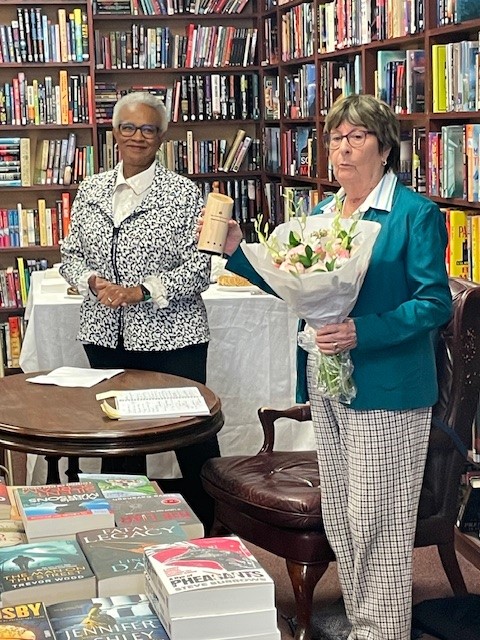
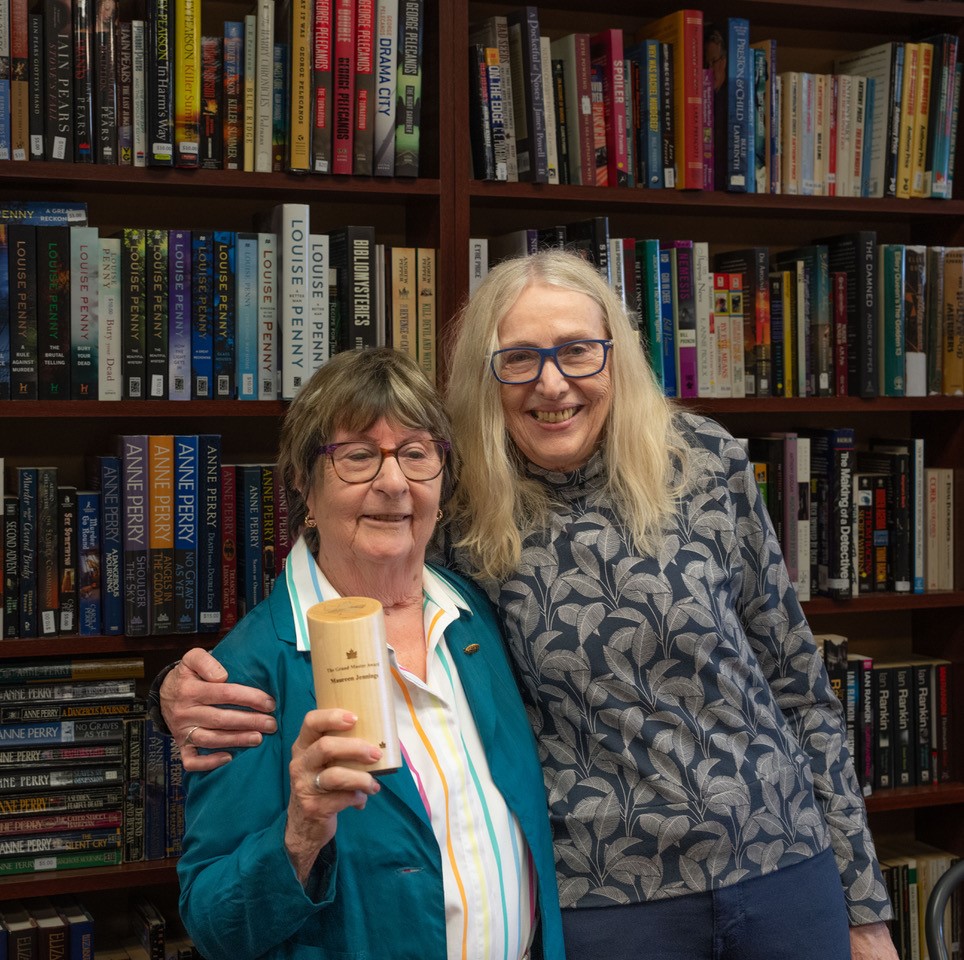
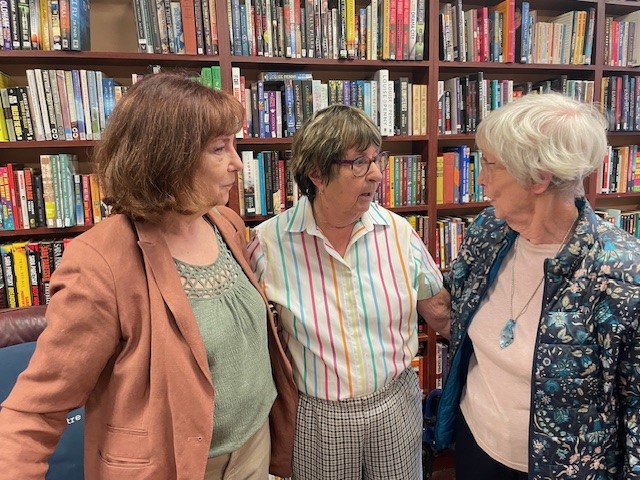
Mmes M. H. Callway, Rosemary McCracken, Lynne Murphy, Jane Burfield and Sylvia Warsh attended the presentation of CWC’s Grand Master Award to the wonderful author, Maureen Jennings, at Sleuth of Baker Street bookstore, on Saturday, April 27. Big thanks to Mme Marian Misters and JD for hosting.
CREDITS
Iden Ford: JD, Maureen Jennings and Marian Misters; Maureen Jennings and Cake; Maureen Jennings and Hyacinthe Miller, Chair of Crime Writers of Canada; Maureen Jennings and Madeleine (M. H. Callway)
Sylvia Warsh: Maureen Jennings and flowers; Maureen Jennings with Sylvia Warsh and Lynne Murphy
Not in the photos: Rosemary McCracken and Jane Burfield.
Congratulations to Melissa Yi for her novel Shapes of Wrath (Wintree Press), shortlisted in the Howard Engel Award forBest Crime Novel Set in Canada category of the 2024 Crime Writers of Canada Awards of Excellence.
Melissa Yi
Shapes of Wrath
Congratulations to M. H. Callway for her short story “Wisteria Cottage” in Malice Domestic: Mystery Most Traditional (Wildside Press), a finalist in the Best Crime Short Story category of the 2024 Crime Writers of Canada Awards of Excellence.
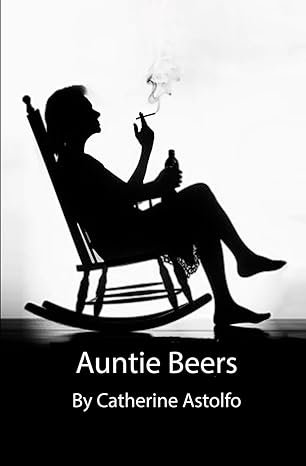
Mme Catherine Astolfo’s new book, Auntie Beers, published by Carrick Publishing, is now available on Amazon! Auntie Beers is series of interconnected tales told to the author by her mother, as well as a mystery that she couldn’t resist sharing.
Witty, raw and often poignant and crafted by an award-winning crime writer, one of Canada’s leading story-tellers.
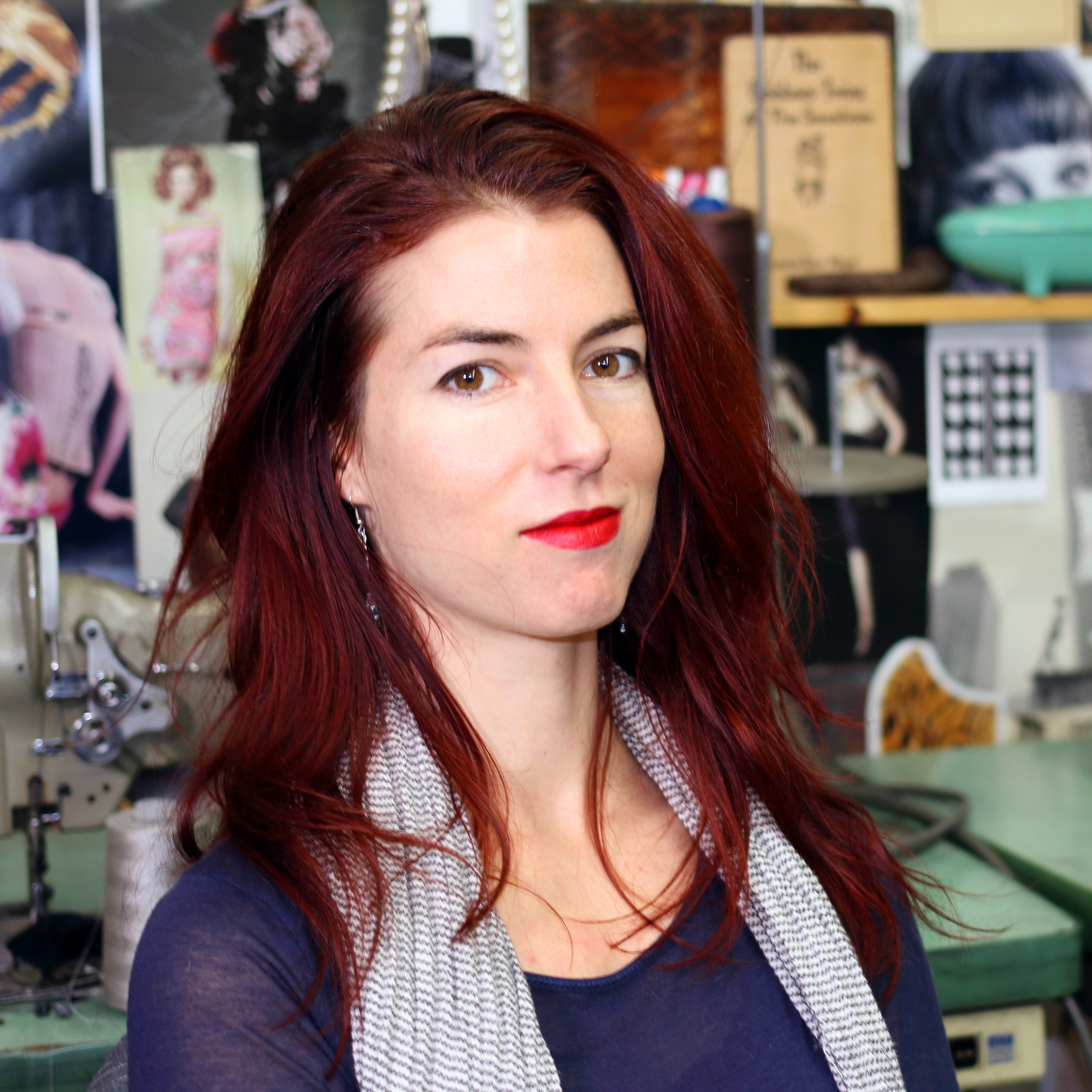
Cat Mills isan award-winning documentarian whose work has been screened at leading film festivals throughout the world. The Mesdames were honored to be the subject of her film, The Mesdames of Mayhem, which readers may view on CBC GEM and YouTube.Her latest film is Do You Hear What I Hear? about noise pollution and its impact on city life.
It was not long before the Mesdames drew Cat into their world of crime…writing. She made this terrific debut with her supernatural mystery, The Dollhouse.
THE DOLLHOUSE
by
CAT MILLS
Charlotte opened the back door of the Jeep. Her dog, Artie, bounded out and immediately ran around to the side of the house, sniffing every tree and bush.
She warmed her hands deep in her pockets and surveyed her property. When she’d viewed the house three months ago, it was in the midst of summer, and the land was warm and cheery. The house looked different now—somewhat shabby, the lawn a little overgrown. Was it quaint, or eerie?
When she’d first seen it, the house looked big and magical, though beat-up. Tiny trees were sprouting in the eavestroughs. Green flecks of paint decorated the lawn. Her real estate agent had warned her about the sea air and what it could do to an old house.
Now she didn’t know how to feel. A weird energy coursed through her body. Half of her wanted to explore her new home, her fresh start; the other half wanted to crawl into a hole filled with blankets and die.
A scraping noise pulled her back to reality. She noticed Artie at the back of the yard, digging furiously.
She approached him slowly, growing alarmed.
Old bricks lay in a circle. On top of them lay a round wooden cover, damp and rotting. Artie was clawing his way around the bricks. Her pulse throbbed in her neck.
Her mother’s panic-stricken voice echoed in her mind: Stay away from the well!
She grabbed Artie by the collar and pulled him toward the house. He looked back a few times before giving in and following her to the front yard. She’d fill in that well in the spring. Wells were dangerous, vile things. She didn’t want one anywhere near the house.
She took out her rabbit’s-foot keychain, slid the house key into the lock, and walked into her new life.
The house was filled with boxes, her handwriting labeling the tops. Her possessions had arrived a few days earlier. Looking at them drained her energy. Perhaps she should have started afresh with brand-new objects, none associated with her past life.
She looked out the bay window at the deep blue sea. There were a few wisps of cloud over the water; a fogbank was growing on the horizon. The setting sun had lit everything pink. The leaves on the surrounding trees were dazzling orange, red. and yellow. Everything looked warm, despite the chilly October air. This peaceful space was all hers.
She unearthed the glasses, and opened the champagne left by her real estate agent. As she drank, her shoulders fell, her body relaxed.
She crouched down on the floor and pulled a large box toward her. Slicing through the packing tape, she opened the flaps and peered in at a childhood relic—her dollhouse.
Her ex-husband had always hated it. He claimed he found it creepy. Despite her pleas, he insisted it stay boxed up in the garage, saying they didn’t have space in their home for “that monstrosity”. But Philip was gone; he’d walked out on her in a way she had grown to expect from men. He no longer mattered. This was her house. She would decide what stayed and what went where.
Her beloved dollhouse was a gift from her father. He’d painstakingly taken each measurement and chiseled every detail to create a perfect replica of her childhood home. Its furniture was a near match for the real thing. When she gazed into it, she was transported back to the 1960s by the shag carpet, record player, and avocado-colored bathtub.
In the living room, she found three bubble-wrapped dolls: her mother, her father and herself. As a child, she’d marveled at the mini-people. Now, seeing them as an adult, they looked generic and vague. The only thing that identified them were the small wigs glued to their wooden heads.
Lovingly, she placed her father in the basement workshop next to the wooden worktable. Beside him, on a stool, she placed herself. It was a special treat to watch him work, because he was always busy and rarely at home.
Sometimes when he worked on the dollhouse, he would tell her about the war. Though he never took his eyes off what he was doing, she could sense him drift back to France. Often, he would go quiet. She’d felt embarrassed by his silence, and would look away from his face, focusing instead on his gold watch. She could still hear it: tick, tick, tick. She struggled to recall the sound of her father’s voice, but she never forgot the sound of the watch.
To this day, she refused to wear a watch or keep a clock in the house.
She unwrapped the doll of her mother, letting her hands glide over the elegant green dress and her mother’s dark hair. She placed her mother in the master bedroom, the one room in the dollhouse that remained unfinished. In their original home, the master bedroom had a grand four-poster bed, scarlet drapes, and antique furniture. The room in the dollhouse was white. Bare. Ugly.
Looking back, she thought she’d been a disappointment to her mother. She had been a tomboy, and her mother a lady. The only thing her mother talked to her about was her father: his philandering ways, how badly he treated them both, and how he had a family elsewhere. Charlotte had never known whether this information was true, or what she was supposed to do with it.
She gently swung the front of the dollhouse closed and placed the hook on its latch. She ran her fingers down the length of the cord at the back, plugged it into the wall, and flicked the switch. Every room lit up magically, except the master bedroom light. The bulb there had a slight flicker; she would have to replace it.
She walked over to the couch and slumped down on it. She took a sip of champagne, and admired the dollhouse: its frosted glass windows, red front door, and carefully crafted flower bed edging the front path. Had her parents ever been happy? Was that the reason her own marriage had been so unbearable?
She placed her wine glass on the coffee table and put her head down on the armrest. Artie curled up on the small rug by her feet. She felt her heavy eyelids close—just before a shadow moved inside the dollhouse, and a tiny door closed.
#
Ambrose was a beautiful town, if you could call it a town. It was more like a foggy shoreline, with the occasional cluster of houses, and ports used by fishermen for two centuries.
Weeks passed, and Charlotte slowly filled her large, empty home with woolly blankets, candle holders, and colorful vases—even a piece of local art showing the foggy harbor. She met a few neighbors, friendly busybodies who were curious about the single woman From Away who lived in the big house.
Her job interviews had gone well. The region was in desperate need of medical professionals, even assistants like herself. She needed to be busy, so her mind would not drift to other, unwanted places.
One afternoon, she treated herself to a bouquet of flowers. She’d filled a vase with water when her eyes glanced over to the dollhouse. How quiet it had gotten outside; the normal cacophony of seagulls and distant traffic was gone.
She put down the vase and opened the dollhouse . Her eyes fell on her mother’s doll, standing in the master bedroom. Her glance drifted down to the garage, where her own doll sat alone on the stool.
Father was missing. Her blood went cold.
She looked in every room and couldn’t find him. She opened armoires and moved beds, but he was gone.
She stared down at the dollhouse, her arms limp at her sides. Where could he be? She walked to the bay window and looked out into her backyard. The brick well lay hidden by the tall grass. Its rotten wooden cover glistened with damp. Everything looked bleak. Foggy. Dull.
She looked back at the dollhouse. Her father had carved a plank and painted it green before he’d attached it to the back of the house. It was their backyard.
Her father’s doll was standing in the middle of the yard.
Charlotte picked up the doll and threw it into the dollhouse. Her hands trembled uncontrollably; her head pounded. She needed to get away.
Artie leaped up from the couch, and started jumping and whining. She grabbed his leash, opened the front door, and he bounded out.
#
She was 12 years old. It had been a hot, humid summer—the kind that leaves a sticky layer of sweat and dust all over one’s body. She’d been away at camp in the Laurentians, swimming in the cool lake waters and fostering a crush on the cute boy in the cabin next to hers.
She’d planned on taking the bus home. Her parents never picked her up from camp; they were always too busy with work or social gatherings. So, when she approached the bus with her duffle bag over her shoulder, she was shocked to find her mother waiting in their old, mint-green Cadillac.
Her skin prickled; something was very wrong.
As they drove over the bumpy dirt roads, her mother was quiet. Charlotte looked out the window, and waited for her to speak. Eventually, she did.
Her father was gone; he’d left in the middle of the night with his suitcase. He had finally abandoned them, her mother coolly explained as she changed lanes.
Charlotte remembered feeling empty. It wasn’t just the abandonment that chilled her; it was her mother’s indifference.
It was the longest day of her life.
She sat with Artie on the edge of the pier, looking out over the stormy waters. The whitecaps were growing. The wind was picking up, but she didn’t notice. She was looking into the past, and all she saw were the trees passing by the Cadillac’s window as her mother gave her the news that shut part of her heart away forever.
After her father left, Charlotte’s mother took on a new life. She laughed more and was nicer to Charlotte. They started going to galleries and bonded over art. She’d lost her father, but finally had a mother—a mother who became fiercely protective of her, who gave her an early curfew so she wouldn’t get into trouble.
That’s when her mother became terrified of wells. She told Charlotte stories about children falling into them and being trapped forever. Charlotte started having nightmares about being at the bottom of the well, the only sound a clock slowly ticking.
Rain started to pelt down. Artie whined, shaking Charlotte from her memories. She looked up and noticed a black storm cloud overheard. The rain was rapidly picking up, the wind blew a spray of sea mist into her face. She grabbed Artie’s leash, and together they raced home, her clothes growing wet and heavier by the second.
The power was out when they got back inside. Charlotte flicked the switches in vain. A crack of lightning lit up the windows. She darted around the house, opening the windows to close the outside shutters.
Boom! Crack! The storm was directly overhead. Artie whimpered. Charlotte grabbed him and climbed onto the couch, pulling the blankets around them both. Her eyes locked on the flashes of white light outside.
She fell into a dark, confined place. Her whole body ached. She was wet, up to her shoulders in cold, muddy water. She couldn’t feel her legs. Was she floating or touching the ground? Darkness enveloped her. Every sound was muffled, everything except the ticking of a clock.
Tick. Tick. Tick.
She bolted upright, clutching her throat, shaking and covered in a cold sweat.
The storm was still raging, but the thunder was gone. Her eyes fell on the dollhouse. The lights were on. The front of the house was open. Her father’s doll was gone.
She couldn’t see him, but she knew where she’d find him.
She ran outside, barefoot. Her feet squished in the waterlogged soil; cold mud squeezed up between her toes. Her cardigan stuck to her arms.
A bolt of lightning lit up the sky as she trudged forward.
Stay away from the well!
She grabbed its rotten wooden lid. It felt like a thick sponge and splintered in her hand. She heaved it aside and stared down into the darkness.
The storm silenced. The world disappeared as she stared down into the well. Then she heard it.
Tick. Tick. Tick.
Muddy water soaked into her jeans. Her fingers sunk into the soil, water bubbling around. She knew why her mother had kept her away from their well.
Finally, she cried.
#
Next morning, the sun was bright, the brightest Charlotte had ever seen. It pierced through the few remaining leaves on the trees, making them look like fire.
Charlotte crouched over the dollhouse. Carefully, she spread white mortar on a tiny clay block. With the precision of a surgeon, she placed the final brick in place. A small circle of red bricks stood out against the painted green grass.
She left her mother’s doll in the bedroom, where it was sterile and cold. That is where she would stay. Alone.
Lovingly, she picked up her father and smoothed out his shirt. She gazed at his tiny wooden face and blond wig. There were no words to say; nothing left to feel. She put her father’s doll into the well. Slowly, she placed the lid on top.
She took her own doll out of the workshop and slipped it into her pocket.
The storm was gone; the sunlight had chased away the darkness.
She led Artie across the dirt road. Together, they walked past the brambles to the shoreline. There, she climbed on top of a large boulder. Artie followed her, his claws scraping the rock. He sat down beside her.
Together, they watched the glass-like water and a lonely blue heron fly by.










































 Mesdames of Mayhem