MESDAMES ON THE MOVE: MAY 2024

Wow! What a spring we’re having, dear readers! A new anthology for the fall, two members shortlisted for the 2024 Crime Writers of Canada Awards of Excellence, two book launches, interviews, a play and a friendly writing workshop and a grand party for this year’s CWC Grand Master Award to the wonderful and beloved Maureen Jennings!

ANNOUNCEMENTS

Announcing the cover for the Mesdames and Messieurs of Mayhem 6th anthology, The 13th Letter (Carrick Publishing).

With huge thanks to our cover artist, Sara Carrick. The 13th Letter will be released in September / October 2024. Launch date is scheduled for Saturday, November 2nd.

The 13th Letter, Mesdames and Messieurs of Mayhem, The 6th Anthology

CONGRATULATIONS

Madeleine Harris Callway
Madeleine Harris-Callway
Melissa Yi
Melissa Yi

Congratulations to Mme M. H. Callway for her short story Wisteria Cottage in Malice Domestic: Mystery Most Traditional (Wildside Press), a finalist in the Best Crime Short Story category of the 2024 Crime Writers of Canada Awards of Excellence.

Congratulations to Mme Melissa Yi for her novel Shapes of Wrath (Wintree Press), shortlisted in the Howard Engel Award for Best Crime Novel Set in Canada category of the 2024 Crime Writers of Canada Awards of Excellence.

Winners will be announced on Wednesday, May 29, 2024.

PUBLICATIONS

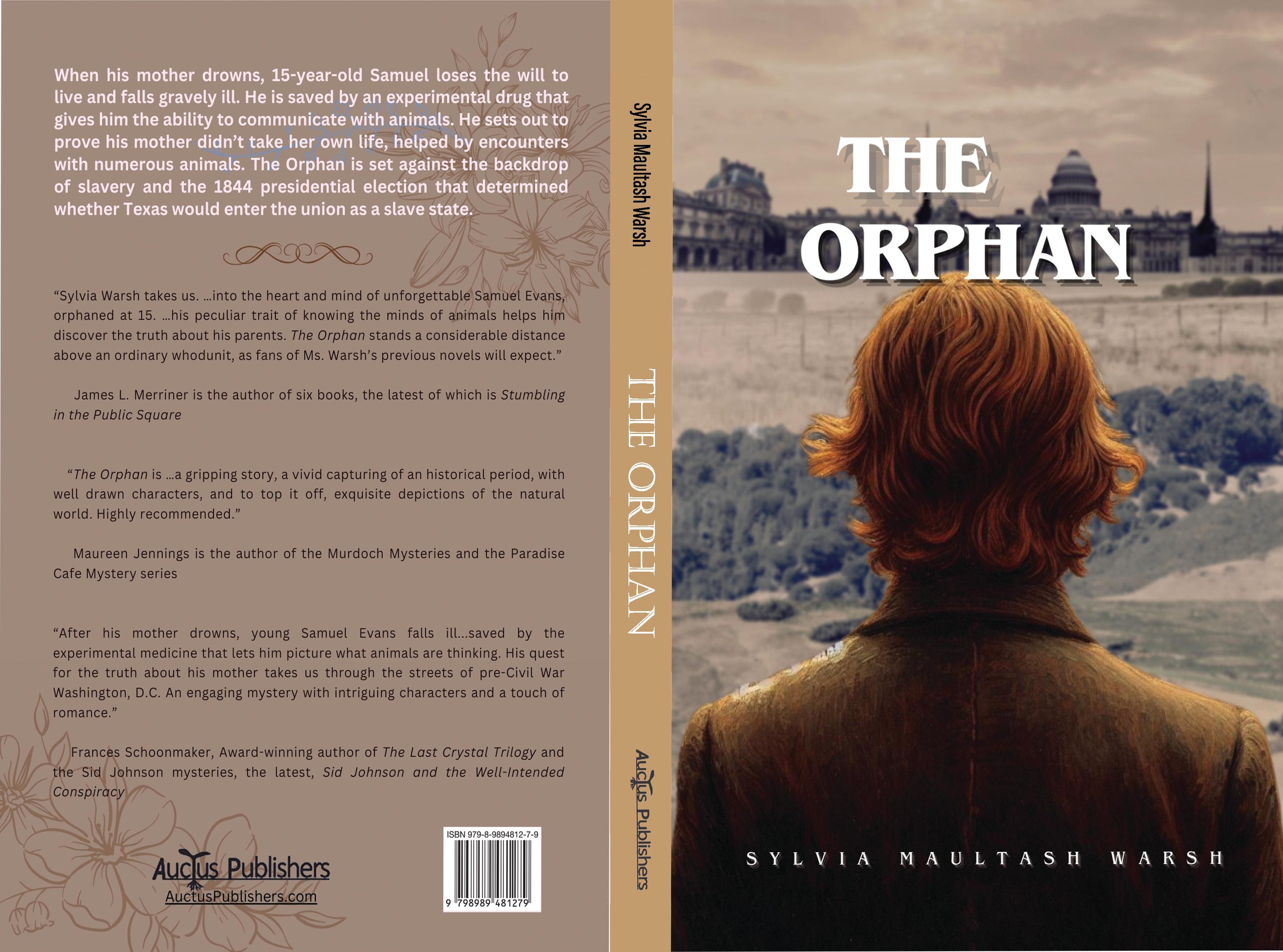
Mme Sylvia Warsh will launch her new book, The Orphan, a historical mystery novel, at Sleuth of Baker Street bookstore, 907 Millwood Road, Toronto, Sunday, May 5 at 2 p.m.. Orphan is now available for pre-order at Sleuth’s and on Amazon:

The Orphan eBook: Warsh, Sylvia M.: Amazon.ca: Books

It will be published on May 15th.

There will be cake!

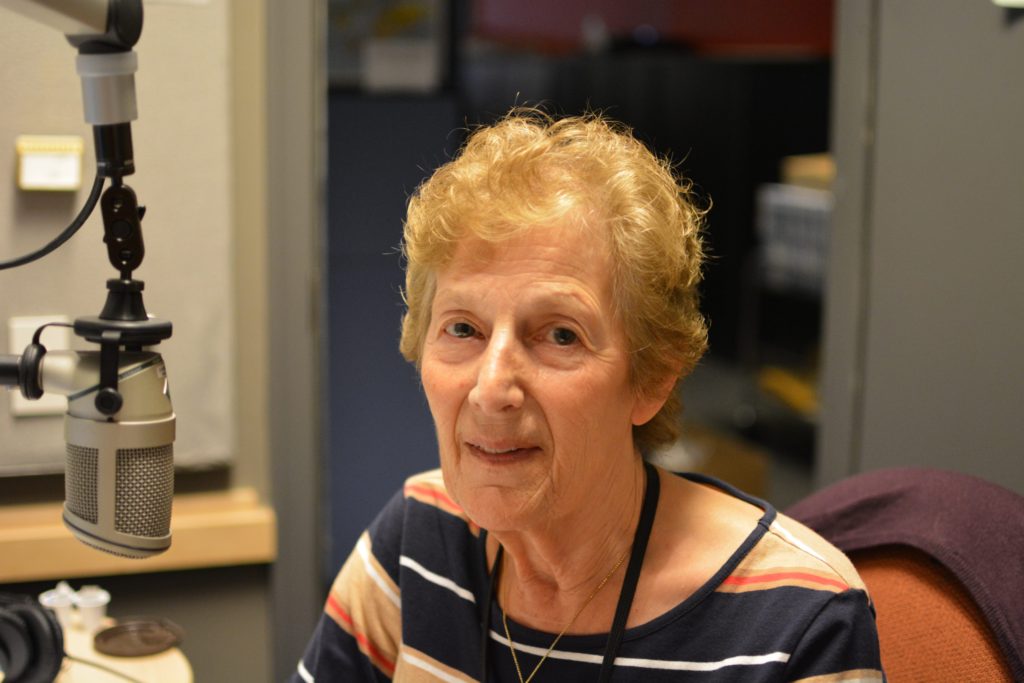
Sylvia Maultash Warsh

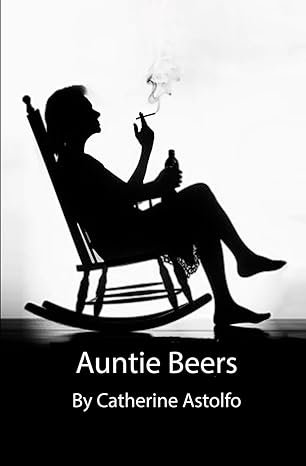
Carrick Publishing is proud to present Auntie Beers, by Mme Catherine Astolfo!

Please join us on Zoom on Saturday, May 25, at 2:00 pm ET. Contact Carrick Publishing for the Zoom meeting link and passcode.

https://www.carrickpublishing.com

MESDAMES ON THE MOVE

Melodie Campbell

Bestselling author Iona Whishaw discusses her latest book, Lightning Strikes the Silence, with Mme Melodie Campbell. Melodie Campbell In Conversation with Iona Whishaw is at the Burlington Public Library, 2331 New St., Burlington on Monday, May 6th, 7:00 p.m. – 8:00 p.m.

Central branch  3rd Floor

Sylvia Warsh

Mme Sylvia Warsh will start teaching the Spring session of Creative Writing at the Bernard Betel Centre, 1003 Steeles Ave. West, Toronto, on Tuesday, May 7, 1 p.m. to 3 p.m. It’s a friendly workshop group for those interested in keeping their brains active by learning the craft of writing. For information call (416) 225-2112betelcentre.org

Mme Melodie Campbell is featured in Queen’s University’s Smith Magazine, as the 2024 Spring Issue’s prominent alumni. “Mystery Queen”, a one-page interview, features her crime publishing career which is a departure from her business degree (…or is it?)  Full page at http://www.melodiecampbell.com

Mme Cheryl Freedman is a dialogue coach for Alas Poor Romeo, playing at the Village Playhouse, 2190 E. Bloor St. W., Toronto from June 6 – 9. Tickets are available at:

https://alaspoorromeo.brownpapertickets.com

CWC GRAND MASTER AWARD PRESENTATION

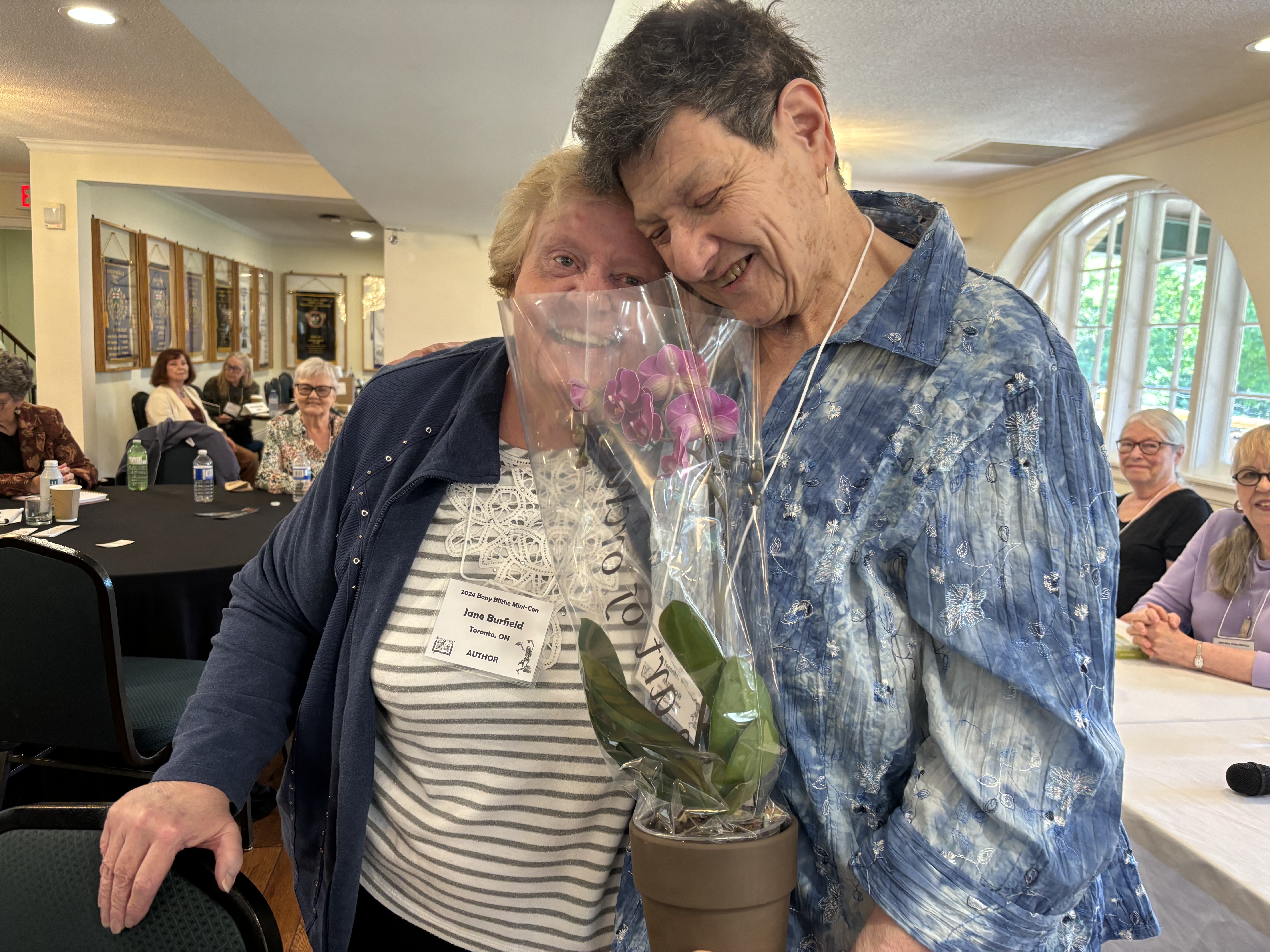
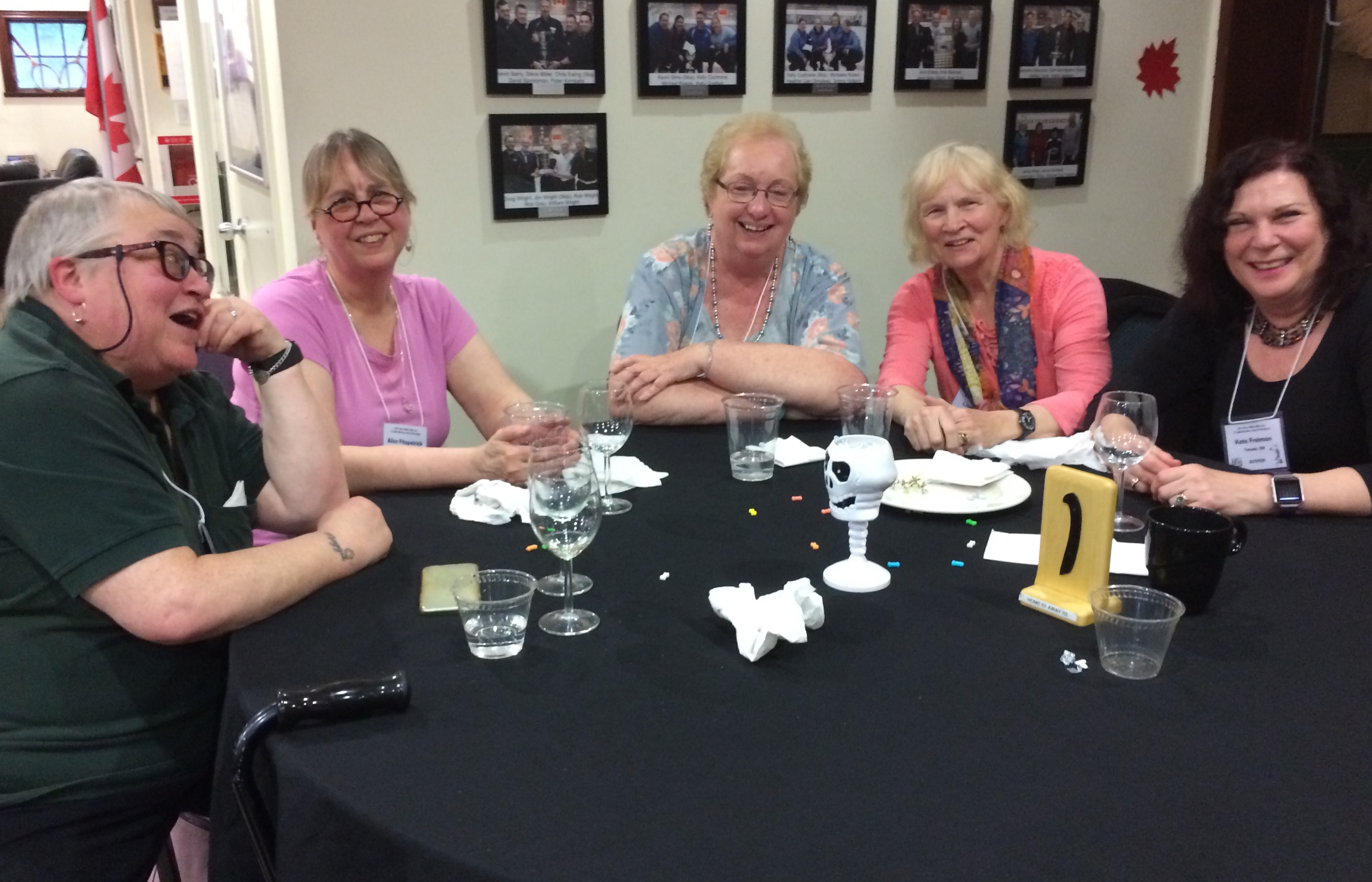
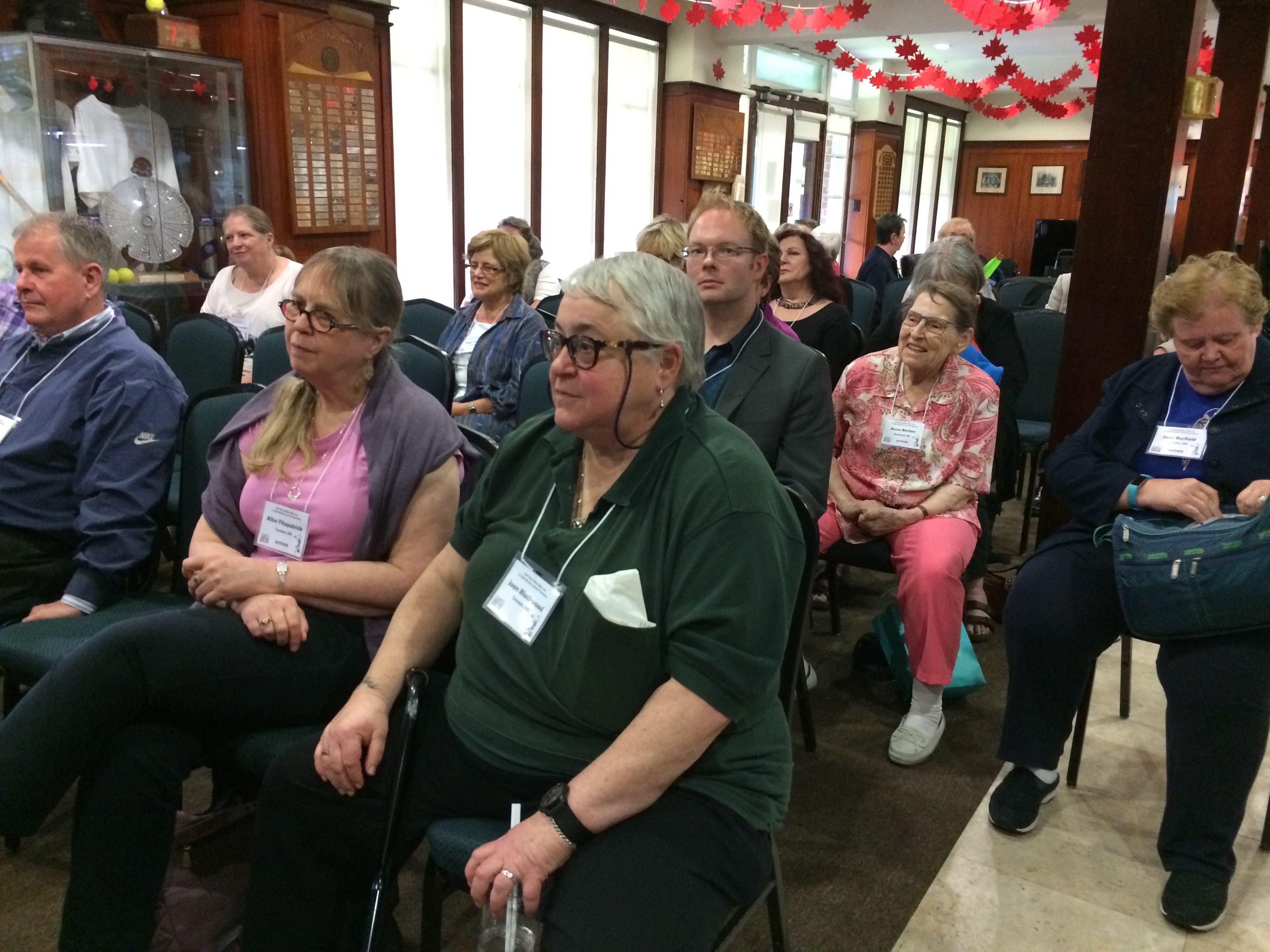
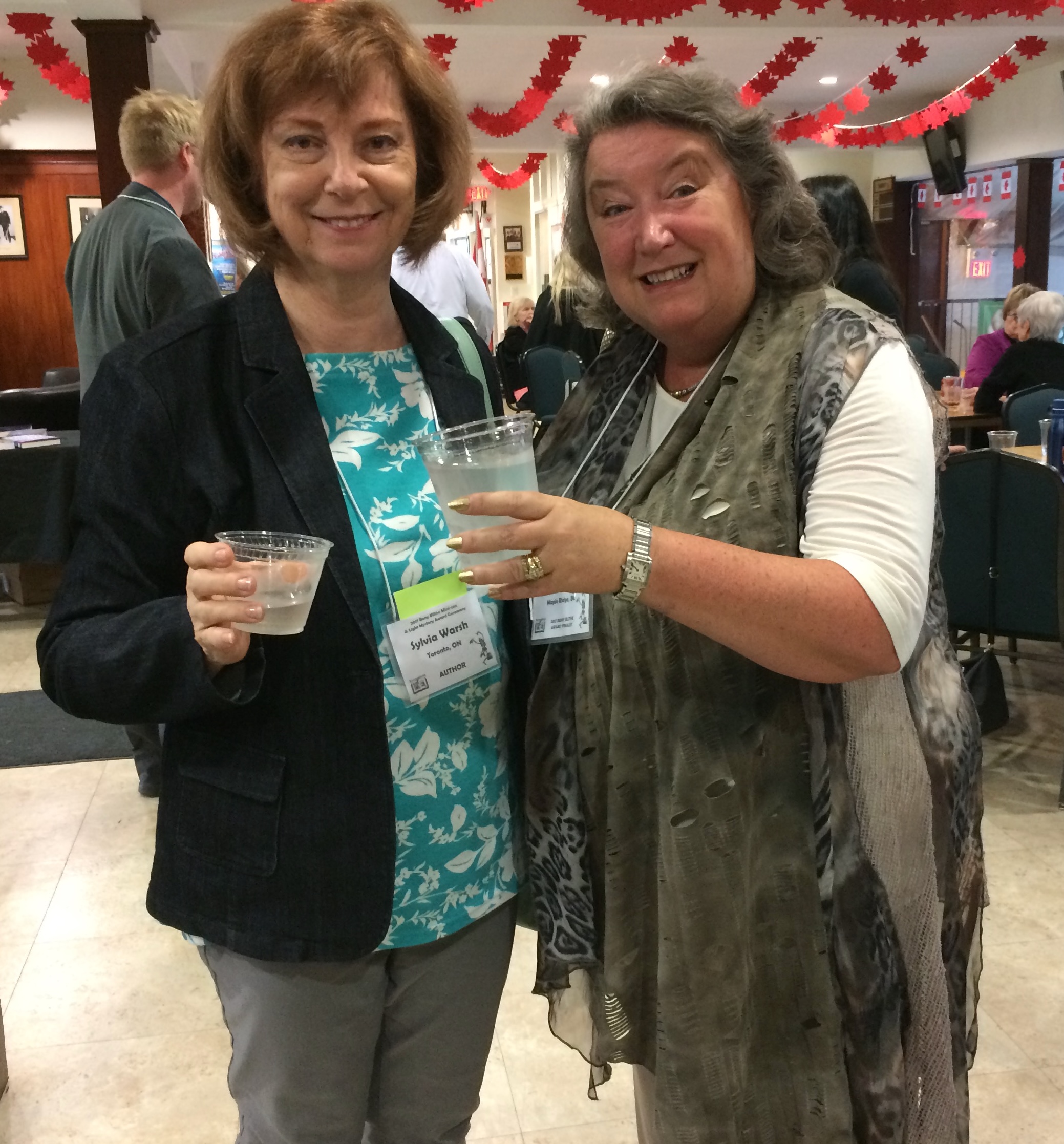
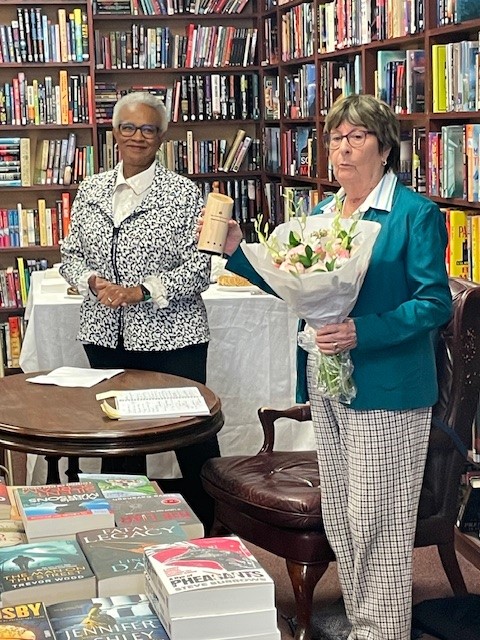
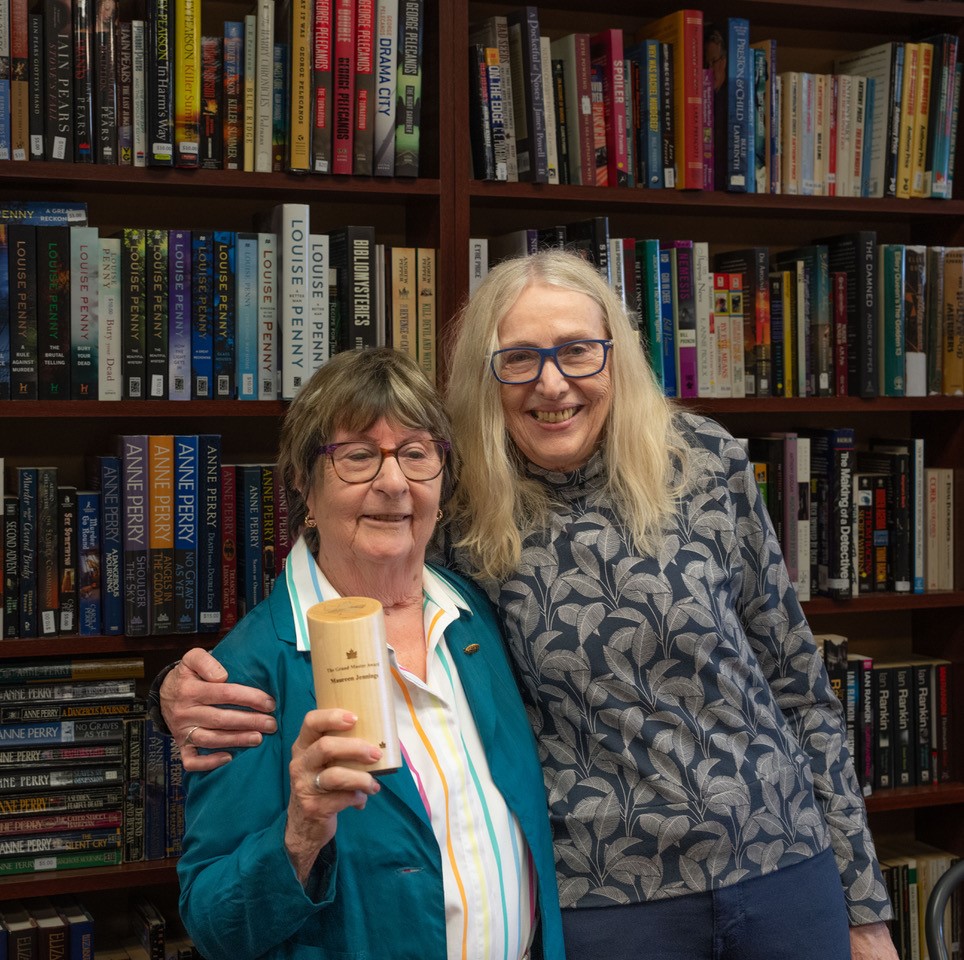
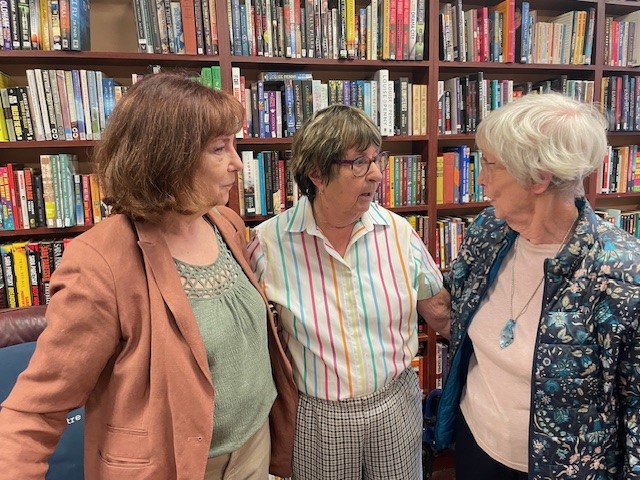
Mmes M. H. Callway, Rosemary McCracken, Lynne Murphy, Jane Burfield and Sylvia Warsh attended the presentation of CWC’s Grand Master Award to the wonderful author, Maureen Jennings, at Sleuth of Baker Street bookstore, on Saturday, April 27. Big thanks to Mme Marian Misters and JD for hosting.

CREDITS

Iden Ford: JD, Maureen Jennings and Marian Misters; Maureen Jennings and Cake; Maureen Jennings and Hyacinthe Miller, Chair of Crime Writers of Canada; Maureen Jennings and Madeleine (M. H. Callway)

Sylvia Warsh: Maureen Jennings and flowers; Maureen Jennings with Sylvia Warsh and Lynne Murphy

Not in the photos: Rosemary McCracken and Jane Burfield.

Posted in Anthologies, Awards/Achievements, books, events | Tagged , , , , | Leave a comment

BREAKING NEWS: Two Mesdames Shortlisted for CWC Awards of Excellence

Congratulations to Melissa Yi for her novel Shapes of Wrath (Wintree Press), shortlisted in the Howard Engel Award for Best Crime Novel Set in Canada category of the 2024 Crime Writers of Canada Awards of Excellence.

Melissa Yi
Melissa Yi" Shapes of Wrath
Shapes of Wrath

Congratulations to M. H. Callway for her short story “Wisteria Cottage” in Malice Domestic: Mystery Most Traditional (Wildside Press), a finalist in the Best Crime Short Story category of the 2024 Crime Writers of Canada Awards of Excellence.

Madeleine Harris Callway
Madeleine Harris-Callway
Posted in Awards/Achievements, News | 1 Comment

NEWS FLASH: Catherine Astolfo’s New Book, Auntie Beers Launched!

Mme Catherine Astolfo’s new book, Auntie Beers, published by Carrick Publishing, is now available on Amazon! Auntie Beers is series of interconnected tales told to the author by her mother, as well as a mystery that she couldn’t resist sharing.

Witty, raw and often poignant and crafted by an award-winning crime writer, one of Canada’s leading story-tellers.

To get your copy, here’s the link.

Posted in News | Leave a comment

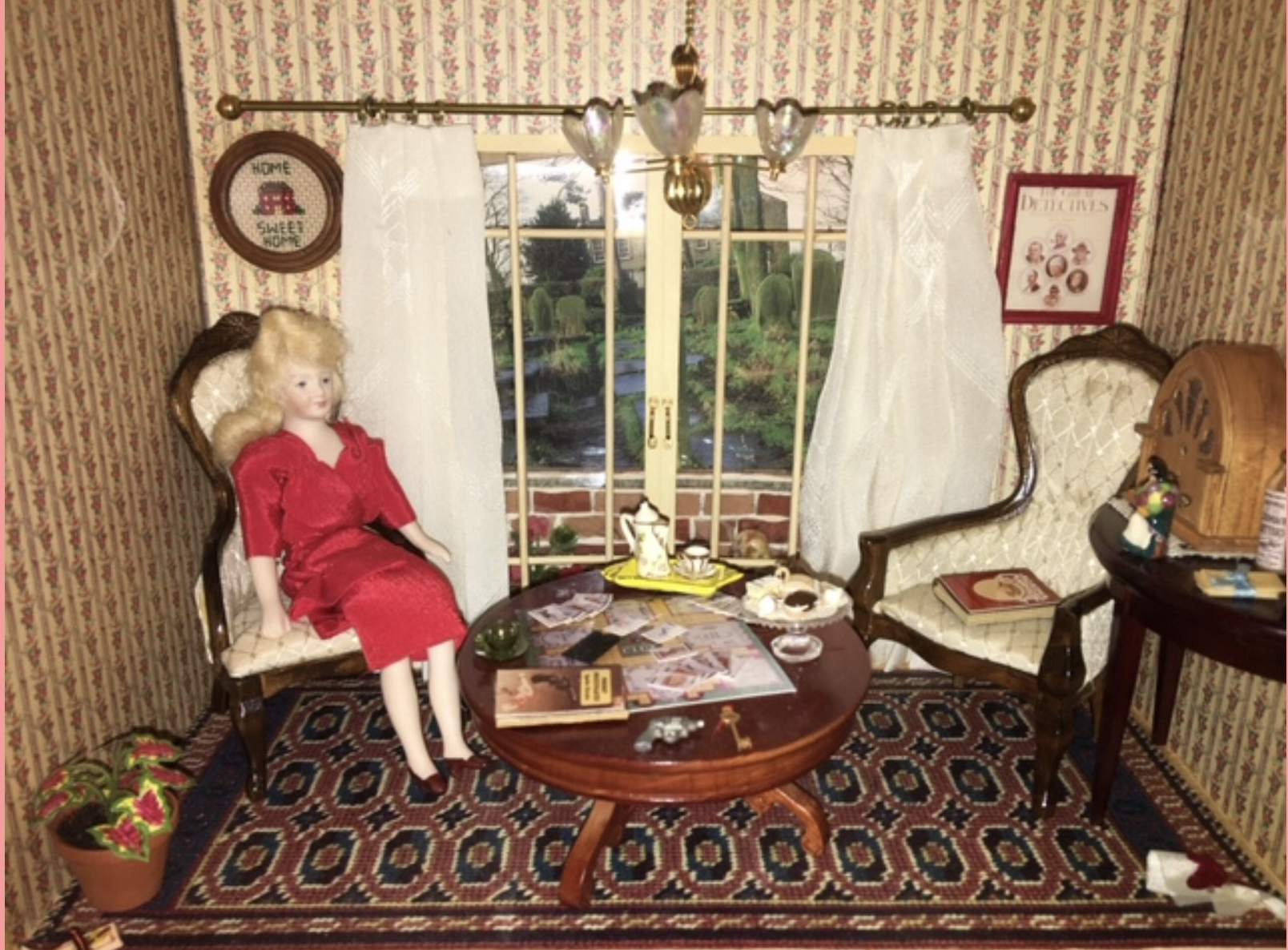
APRIL STORY: The Dollhouse by Cat Mills

Cat Mills
Cat Mills

Cat Mills is an award-winning documentarian whose work has been screened at leading film festivals throughout the world. The Mesdames were honored to be the subject of her film, The Mesdames of Mayhem, which readers may view on CBC GEM and YouTube. Her latest film is Do You Hear What I Hear? about noise pollution and its impact on city life.

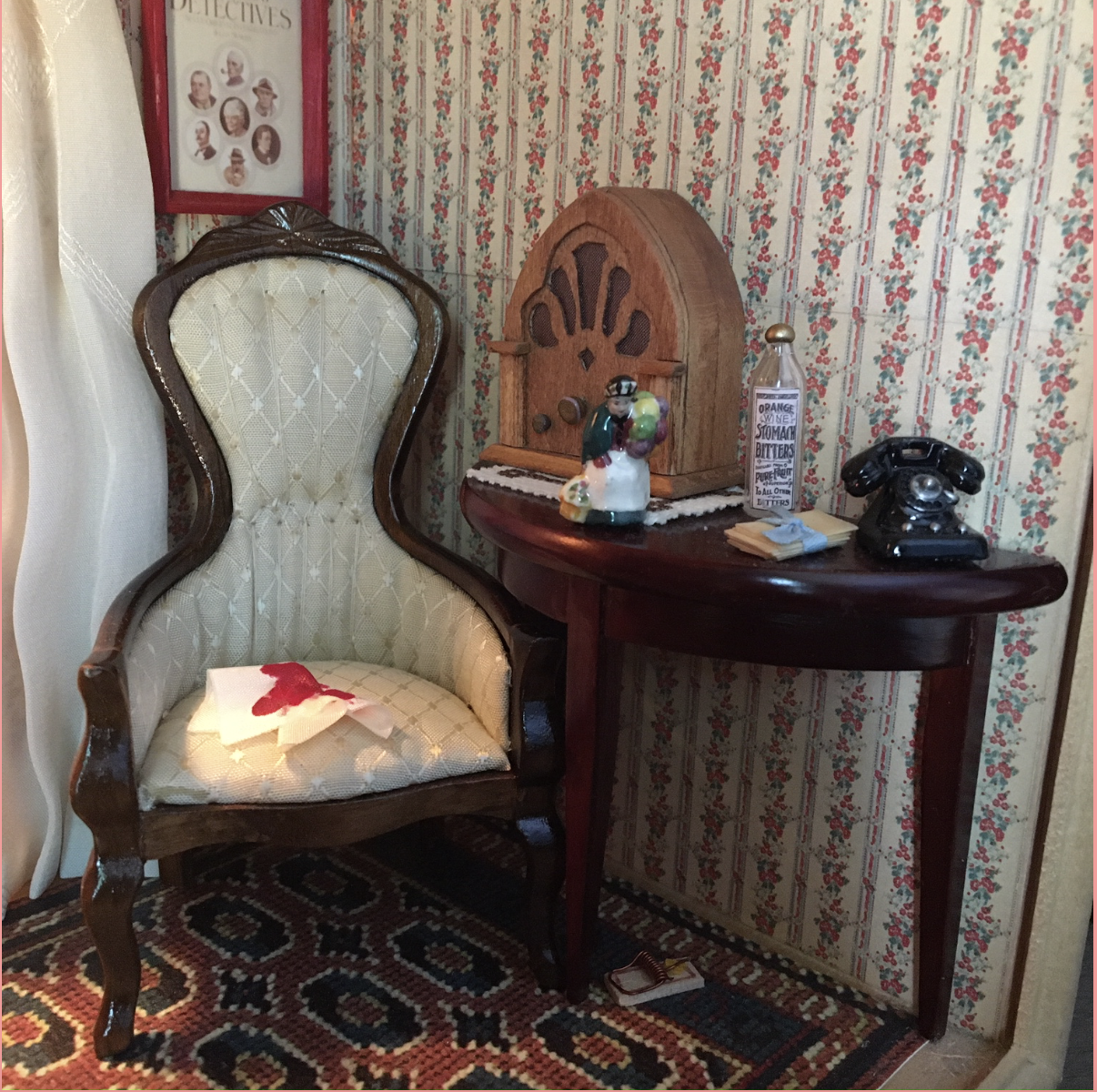
It was not long before the Mesdames drew Cat into their world of crime…writing. She made this terrific debut with her supernatural mystery, The Dollhouse.

THE DOLLHOUSE

by

CAT MILLS

Charlotte opened the back door of the Jeep. Her dog, Artie, bounded out and immediately ran around to the side of the house, sniffing every tree and bush.

She warmed her hands deep in her pockets and surveyed her property. When she’d viewed the house three months ago, it was in the midst of summer, and the land was warm and cheery. The house looked different now—somewhat shabby, the lawn a little overgrown. Was it quaint, or eerie?

When she’d first seen it, the house looked big and magical, though beat-up. Tiny trees were sprouting in the eavestroughs. Green flecks of paint decorated the lawn. Her real estate agent had warned her about the sea air and what it could do to an old house.

Now she didn’t know how to feel. A weird energy coursed through her body. Half of her wanted to explore her new home, her fresh start; the other half wanted to crawl into a hole filled with blankets and die.

A scraping noise pulled her back to reality. She noticed Artie at the back of the yard, digging furiously.

She approached him slowly, growing alarmed.

Old bricks lay in a circle. On top of them lay a round wooden cover, damp and rotting. Artie was clawing his way around the bricks. Her pulse throbbed in her neck.

Her mother’s panic-stricken voice echoed in her mind: Stay away from the well!

She grabbed Artie by the collar and pulled him toward the house. He looked back a few times before giving in and following her to the front yard. She’d fill in that well in the spring. Wells were dangerous, vile things. She didn’t want one anywhere near the house.

She took out her rabbit’s-foot keychain, slid the house key into the lock, and walked into her new life.

The house was filled with boxes, her handwriting labeling the tops. Her possessions had arrived a few days earlier. Looking at them drained her energy. Perhaps she should have started afresh with brand-new objects, none associated with her past life.

She looked out the bay window at the deep blue sea. There were a few wisps of cloud over the water; a fogbank was growing on the horizon. The setting sun had lit everything pink. The leaves on the surrounding trees were dazzling orange, red. and yellow. Everything looked warm, despite the chilly October air. This peaceful space was all hers.

She unearthed the glasses, and opened the champagne left by her real estate agent. As she drank, her shoulders fell, her body relaxed.

She crouched down on the floor and pulled a large box toward her. Slicing through the packing tape, she opened the flaps and peered in at a childhood relic—her dollhouse.

Her ex-husband had always hated it. He claimed he found it creepy. Despite her pleas, he insisted it stay boxed up in the garage, saying they didn’t have space in their home for “that monstrosity”. But Philip was gone; he’d walked out on her in a way she had grown to expect from men. He no longer mattered. This was her house. She would decide what stayed and what went where.

Her beloved dollhouse was a gift from her father. He’d painstakingly taken each measurement and chiseled every detail to create a perfect replica of her childhood home. Its furniture was a near match for the real thing. When she gazed into it, she was transported back to the 1960s by the shag carpet, record player, and avocado-colored bathtub.

In the living room, she found three bubble-wrapped dolls: her mother, her father and herself. As a child, she’d marveled at the mini-people. Now, seeing them as an adult, they looked generic and vague. The only thing that identified them were the small wigs glued to their wooden heads.

Lovingly, she placed her father in the basement workshop next to the wooden worktable. Beside him, on a stool, she placed herself. It was a special treat to watch him work, because he was always busy and rarely at home.

Sometimes when he worked on the dollhouse, he would tell her about the war. Though he never took his eyes off what he was doing, she could sense him drift back to France. Often, he would go quiet. She’d felt embarrassed by his silence, and would look away from his face, focusing instead on his gold watch. She could still hear it: tick, tick, tick. She struggled to recall the sound of her father’s voice, but she never forgot the sound of the watch.

To this day, she refused to wear a watch or keep a clock in the house.

She unwrapped the doll of her mother, letting her hands glide over the elegant green dress and her mother’s dark hair. She placed her mother in the master bedroom, the one room in the dollhouse that remained unfinished. In their original home, the master bedroom had a grand four-poster bed, scarlet drapes, and antique furniture. The room in the dollhouse was white. Bare. Ugly.

Looking back, she thought she’d been a disappointment to her mother. She had been a tomboy, and her mother a lady. The only thing her mother talked to her about was her father: his philandering ways, how badly he treated them both, and how he had a family elsewhere. Charlotte had never known whether this information was true, or what she was supposed to do with it.

She gently swung the front of the dollhouse closed and placed the hook on its latch. She ran her fingers down the length of the cord at the back, plugged it into the wall, and flicked the switch. Every room lit up magically, except the master bedroom light. The bulb there had a slight flicker; she would have to replace it.

She walked over to the couch and slumped down on it. She took a sip of champagne, and admired the dollhouse: its frosted glass windows, red front door, and carefully crafted flower bed edging the front path. Had her parents ever been happy? Was that the reason her own marriage had been so unbearable?

She placed her wine glass on the coffee table and put her head down on the armrest. Artie curled up on the small rug by her feet. She felt her heavy eyelids close—just before a shadow moved inside the dollhouse, and a tiny door closed.

#

Ambrose was a beautiful town, if you could call it a town. It was more like a foggy shoreline, with the occasional cluster of houses, and ports used by fishermen for two centuries.

Weeks passed, and Charlotte slowly filled her large, empty home with woolly blankets, candle holders, and colorful vases—even a piece of local art showing the foggy harbor. She met a few neighbors, friendly busybodies who were curious about the single woman From Away who lived in the big house.

Her job interviews had gone well. The region was in desperate need of medical professionals, even assistants like herself. She needed to be busy, so her mind would not drift to other, unwanted places.

One afternoon, she treated herself to a bouquet of flowers. She’d filled a vase with water when her eyes glanced over to the dollhouse. How quiet it had gotten outside; the normal cacophony of seagulls and distant traffic was gone.

She put down the vase and opened the dollhouse . Her eyes fell on her mother’s doll, standing in the master bedroom. Her glance drifted down to the garage, where her own doll sat alone on the stool.

Father was missing. Her blood went cold.

She looked in every room and couldn’t find him. She opened armoires and moved beds, but he was gone.

She stared down at the dollhouse, her arms limp at her sides. Where could he be? She walked to the bay window and looked out into her backyard. The brick well lay hidden by the tall grass. Its rotten wooden cover glistened with damp. Everything looked bleak. Foggy. Dull.

She looked back at the dollhouse. Her father had carved a plank and painted it green before he’d attached it to the back of the house. It was their backyard.

Her father’s doll was standing in the middle of the yard.

Charlotte picked up the doll and threw it into the dollhouse. Her hands trembled uncontrollably; her head pounded. She needed to get away.

Artie leaped up from the couch, and started jumping and whining. She grabbed his leash, opened the front door, and he bounded out.

#

She was 12 years old. It had been a hot, humid summer—the kind that leaves a sticky layer of sweat and dust all over one’s body. She’d been away at camp in the Laurentians, swimming in the cool lake waters and fostering a crush on the cute boy in the cabin next to hers.

She’d planned on taking the bus home. Her parents never picked her up from camp; they were always too busy with work or social gatherings. So, when she approached the bus with her duffle bag over her shoulder, she was shocked to find her mother waiting in their old, mint-green Cadillac.

Her skin prickled; something was very wrong.

As they drove over the bumpy dirt roads, her mother was quiet. Charlotte looked out the window, and waited for her to speak. Eventually, she did.

Her father was gone; he’d left in the middle of the night with his suitcase. He had finally abandoned them, her mother coolly explained as she changed lanes.

Charlotte remembered feeling empty. It wasn’t just the abandonment that chilled her; it was her mother’s indifference.

It was the longest day of her life.

She sat with Artie on the edge of the pier, looking out over the stormy waters. The whitecaps were growing. The wind was picking up, but she didn’t notice. She was looking into the past, and all she saw were the trees passing by the Cadillac’s window as her mother gave her the news that shut part of her heart away forever.

After her father left, Charlotte’s mother took on a new life. She laughed more and was nicer to Charlotte. They started going to galleries and bonded over art. She’d lost her father, but finally had a mother—a mother who became fiercely protective of her, who gave her an early curfew so she wouldn’t get into trouble.

That’s when her mother became terrified of wells. She told Charlotte stories about children falling into them and being trapped forever. Charlotte started having nightmares about being at the bottom of the well, the only sound a clock slowly ticking.

Rain started to pelt down. Artie whined, shaking Charlotte from her memories. She looked up and noticed a black storm cloud overheard. The rain was rapidly picking up, the wind blew a spray of sea mist into her face. She grabbed Artie’s leash, and together they raced home, her clothes growing wet and heavier by the second.

The power was out when they got back inside. Charlotte flicked the switches in vain. A crack of lightning lit up the windows. She darted around the house, opening the windows to close the outside shutters.

Boom! Crack! The storm was directly overhead. Artie whimpered. Charlotte grabbed him and climbed onto the couch, pulling the blankets around them both.  Her eyes locked on the flashes of white light outside.

She fell into a dark, confined place. Her whole body ached. She was wet, up to her shoulders in cold, muddy water. She couldn’t feel her legs. Was she floating or touching the ground? Darkness enveloped her. Every sound was muffled, everything except the ticking of a clock.

Tick. Tick. Tick.

She bolted upright, clutching her throat, shaking and covered in a cold sweat.

The storm was still raging, but the thunder was gone. Her eyes fell on the dollhouse. The lights were on. The front of the house was open. Her father’s doll was gone.

She couldn’t see him, but she knew where she’d find him.

She ran outside, barefoot. Her feet squished in the waterlogged soil; cold mud squeezed up between her toes. Her cardigan stuck to her arms.

A bolt of lightning lit up the sky as she trudged forward.

Stay away from the well!

She grabbed its rotten wooden lid. It felt like a thick sponge and splintered in her hand. She heaved it aside and stared down into the darkness.

The storm silenced. The world disappeared as she stared down into the well. Then she heard it.

Tick. Tick. Tick.

Muddy water soaked into her jeans. Her fingers sunk into the soil, water bubbling around. She knew why her mother had kept her away from their well.

Finally, she cried.

#

Next morning, the sun was bright, the brightest Charlotte had ever seen. It pierced through the few remaining leaves on the trees, making them look like fire.

Charlotte crouched over the dollhouse. Carefully, she spread white mortar on a tiny clay block. With the precision of a surgeon, she placed the final brick in place. A small circle of red bricks stood out against the painted green grass.

She left her mother’s doll in the bedroom, where it was sterile and cold. That is where she would stay. Alone.

Lovingly, she picked up her father and smoothed out his shirt. She gazed at his tiny wooden face and blond wig. There were no words to say; nothing left to feel. She put her father’s doll into the well. Slowly, she placed the lid on top.

She took her own doll out of the workshop and slipped it into her pocket.

The storm was gone; the sunlight had chased away the darkness.

She led Artie across the dirt road. Together, they walked past the brambles to the shoreline. There, she climbed on top of a large boulder. Artie followed her, his claws scraping the rock. He sat down beside her.

Together, they watched the glass-like water and a lonely blue heron fly by.

It was time to put the dollhouse back in the box.

THE END


Posted in News | Leave a comment

Mesdames on the Move: April 2024

DEAR READERS,

April brings you new books and stories, a new Bony Blithe Mini-Con, a play based on The Italian Cure, and Noir at the Bar is back!

CONGRATULATIONS AND PUBLICATIONS

Mme Catherine Astolofo’s new book, Auntie Beers, is coming this April, from Carrick Publishing. Auntie Beers is a collection of short stories of the old country, presented as memoirs. It is an amalgam of tales told to the author by her mother, as well as a mystery that she couldn’t resist. 

Narrated in the voice of Great-Aunt Bairbre, who fled southern Ireland with her sister and brother-in-law and their family in search of a better life. Auntie Beers is rich, poignant, and tinged with the longing for a past embellished with love. History, or herstory, as revealed in these stories, is all the more gilded with the passage of time.

Mme Sylvia Warsh’s new novel, The Orphan, will be published May 15 and is now available for pre-order on Amazon. 

When his mother drowns in the Potomac in 1844, 15-year-old Samuel loses the will to live and falls gravely ill. He is saved by an experimental drug that makes him so sensitive to his environment that he can communicate with animals. He sets out to prove his mother didn’t commit suicide, helped by encounters with numerous animals. The Orphan is set in pre-Civil War Washington against the backdrop of slavery. https://www.amazon.ca/Orphan-Sylvia-M-Warsh/dp/B0CW24VNQ9/

Sylvia Warsh

There will be a launch of The Orphan on Sunday May 5th, 2:00 pm at Sleuth of Baker Street Bookstore, 907 Millwood Road, Leaside. There will be cake! 

Mme Melissa Yi is launching her first YA Kickstarter  on April 23rd for The Red Rock Killer. This is the book that won the scholarship from the International Thriller Writers, judged by R.L. Stine. Any followers hugely appreciated! https://www.kickstarter.com/projects/melissayi/red-rock

And her story “The Crocodile of the Lachine Canal” appears in Thrill Ride Magazine’s Sisters-In Arms

https://books2read.com/thrillride-sisters-in-arms

The Red Rock Killer
Sisters-in-Arms

Mme Madona Skaff has an essay included in the anthology: Women Take the Conn– a collection of essays about the women of Star Trek, written by women authors. She writes about Number One, the female first officer from the original series’ pilot.

Women Take the Conn is available on Amazon.

Madona Skaff
Madona Skaff

MESDAMES ON THE MOVE

Great news! Rob Brunet is back home and Noir at the Bar Toronto is back. The launch date is Thursday, April 25th, 7 p. m.,  at the Duke of Kent, 2315 Yonge St., Toronto. The first new Noir will feature two  Mesdames: Mme M. H. Callway is Rob’s guest co-host and Mme Sylvia Warsh will read from her new book, The Orphan.

Madeleine Harris Callway
Madeleine Harris-Callway
Sylvia Warsh
Sylvia Warsh

Mme Sylvia Warsh will be talking about The Orphan at the Toronto Sisters in Crime meeting on April 18th.

ANNOUNCEMENTS

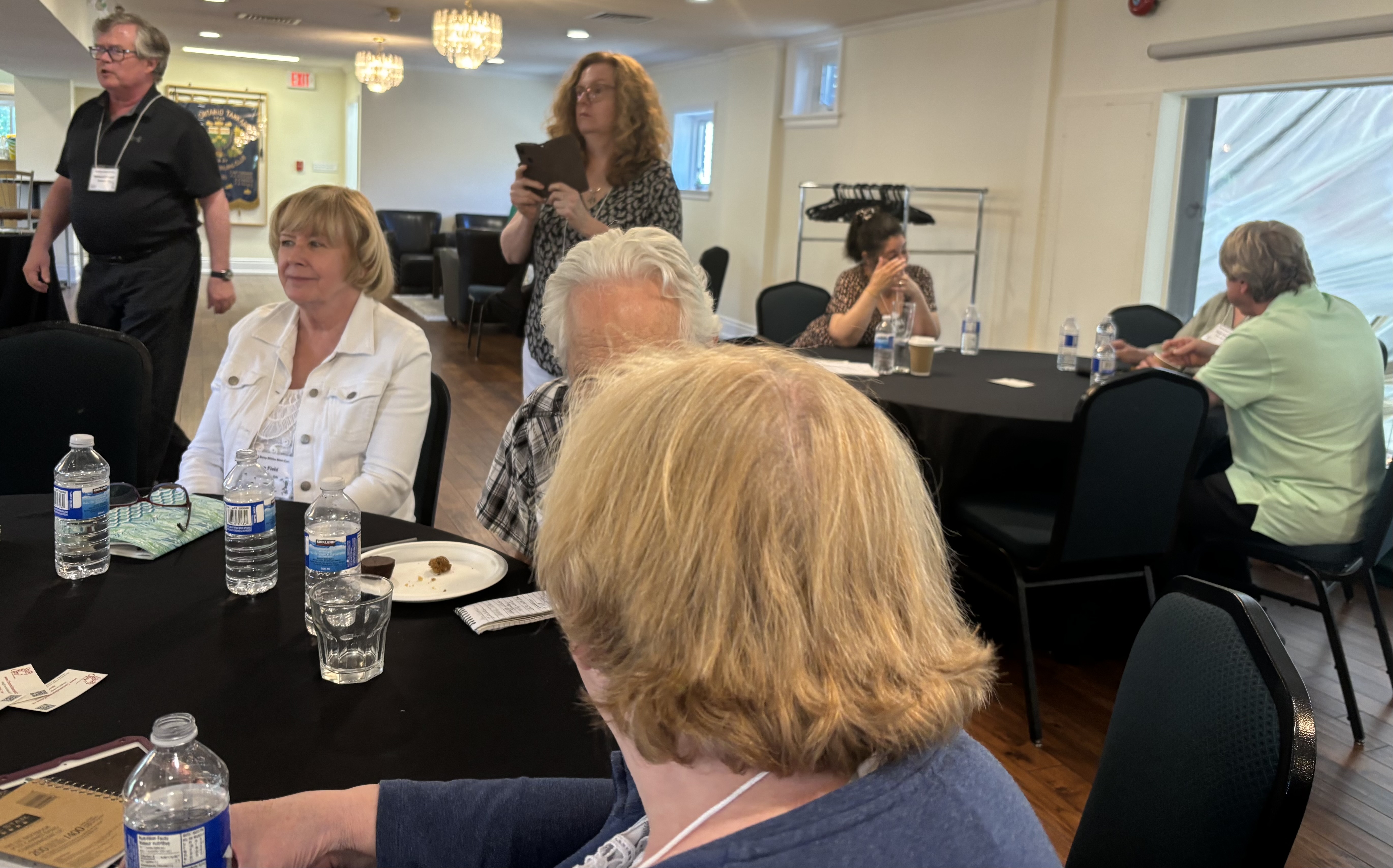
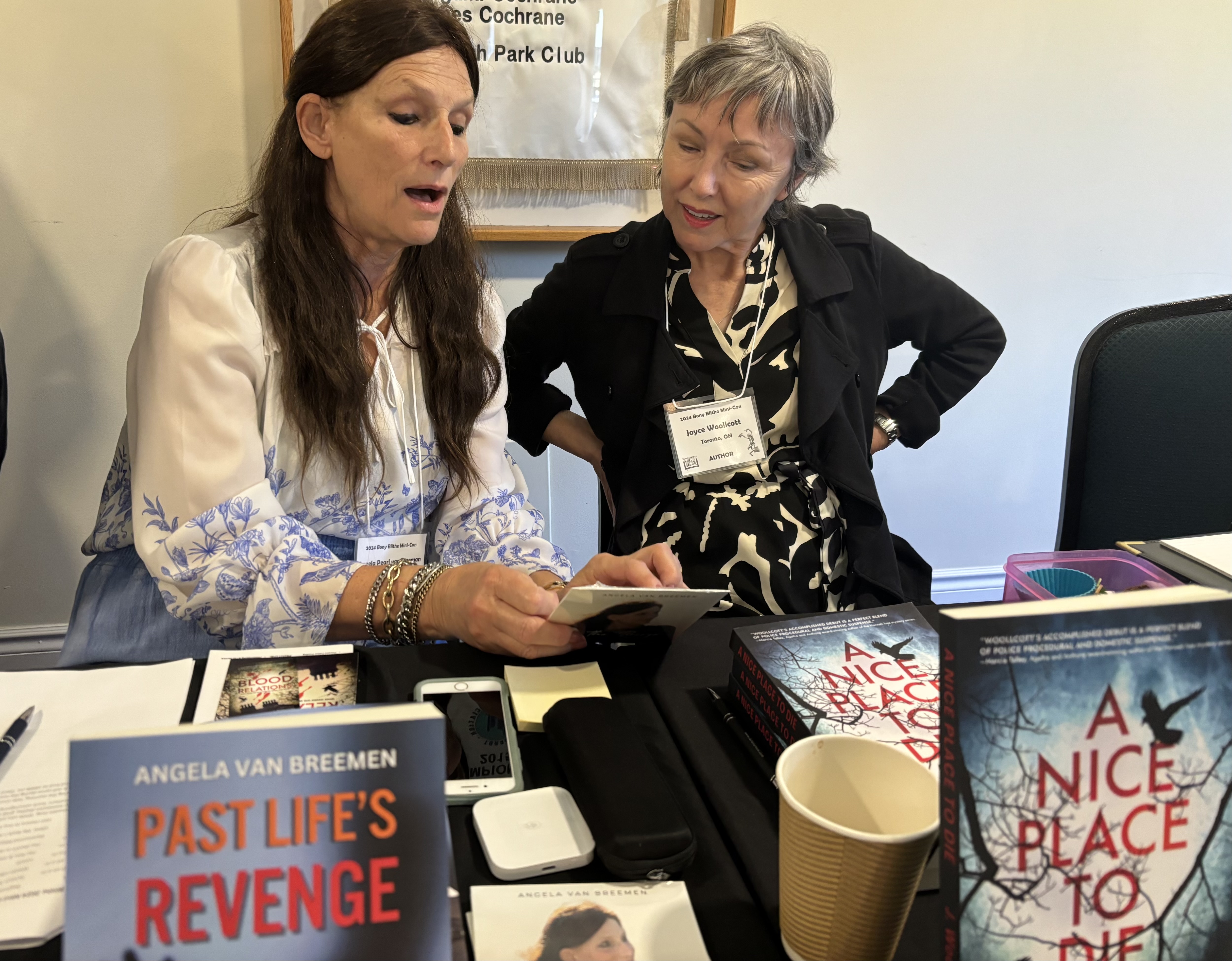
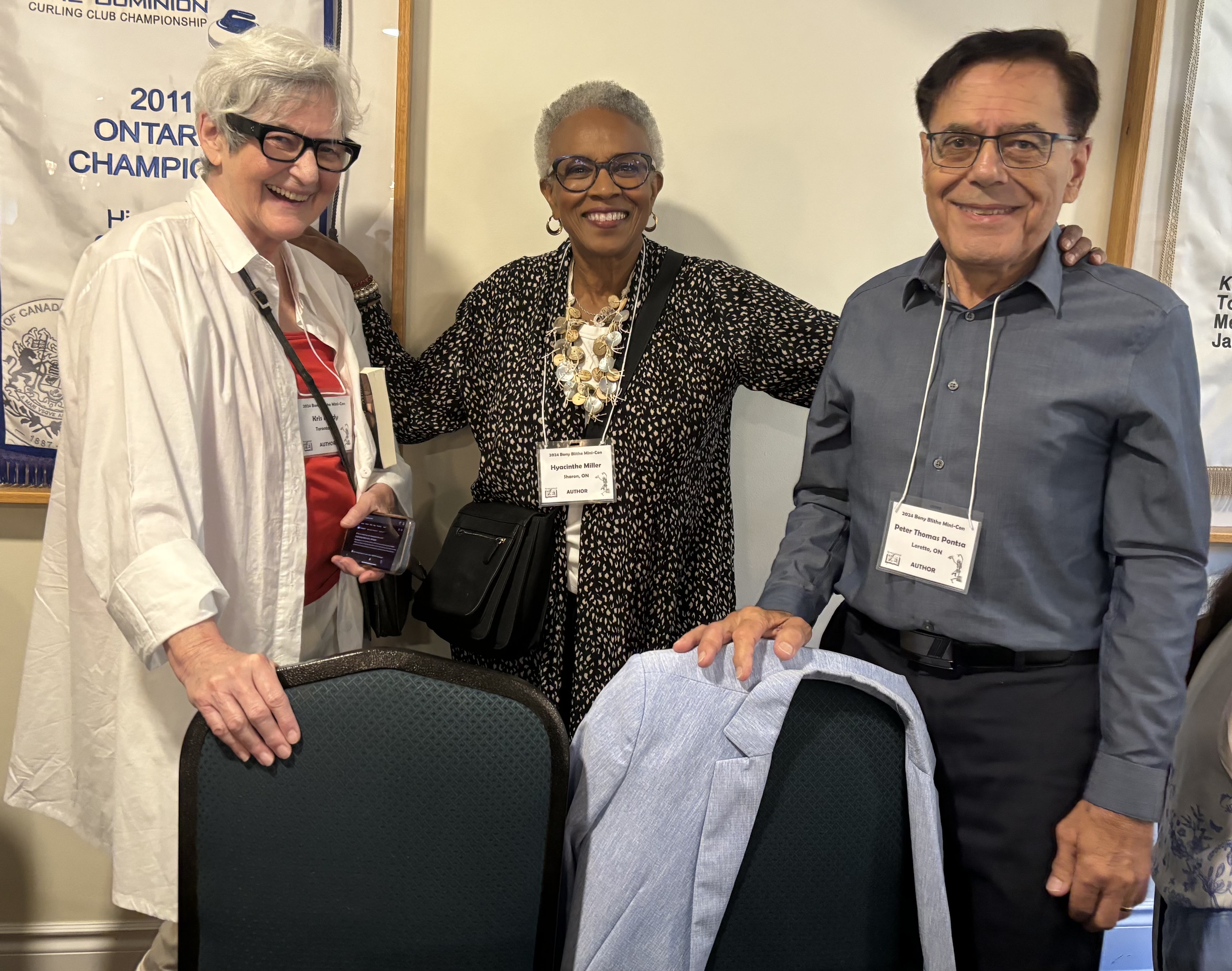
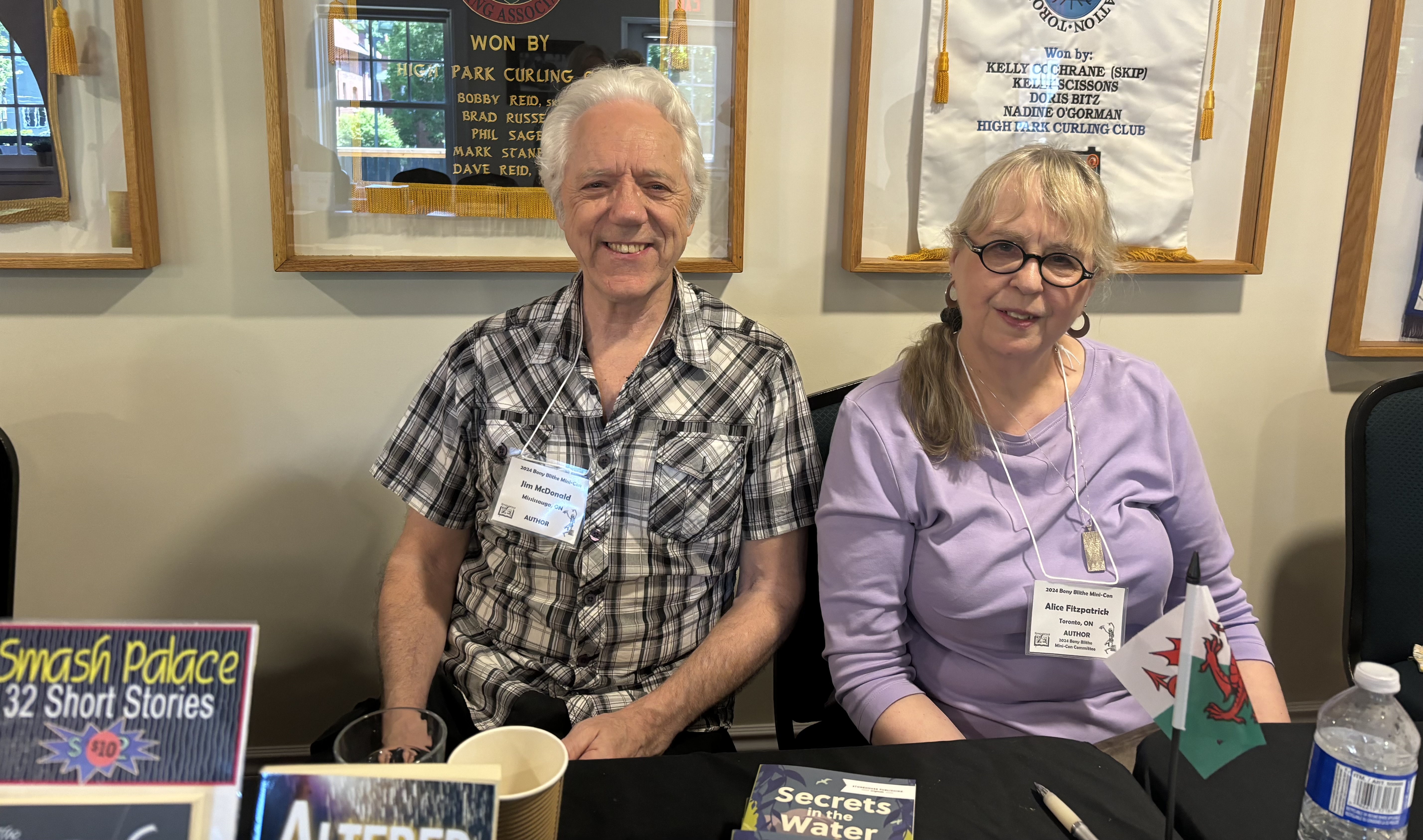
The Bony Blithe Mini-Con website is now live, so hie yourselves, criminous ladies and gents, over to http://www.bonyblithe.ca (note we are a .ca now) and register. You can download the fillable PDF registration form and send it back to info@bonyblithe.ca.

The mini-con is on Saturday, June 15, from 10 a.m. to 5 p.m. at the High Park Club, 100 Indian Road, Toronto. We’ll be on the second floor of the club.

The cost is $85 and you can pay by Paypal/Visa/MC (please add $3) or Interac e-transfer (send the e-transfer to info@bonyblithe.ca). If you registered in 2019/2020 and left your money with us, you are paid in full, but please fill out a registration form and click on the “Paid in 2019/2020” button.

There’ll be lunch plus morning and afternoon nibblies as well as coffee and tea. Cash bar. Bring a book bag with you because we’ll have lots of giveaway books from previous BB years.

AUTHORS: Unfortunately, we won’t have a book dealer at the con, so if you want to sell your books, please send us some ideas of how we can facilitate this. Also, if you are a published author and want to be on a panel (sorry, no guarantees with a panel assignment, but we’ll do our best to accommodate you), let us know what you’re comfortable discussing.

For more info, contact us at info@bonyblithe.ca.

The Italian Cure
Melodie Campbell
Melodie Campbell

Port Washington Library, Long Island New York performance of  Mme Melodie Campbell’s The Italian Cure!

Rehearsals start now for performances in June by the Books for Dessert club ( a club for adults with disabilities on Long Island).  In The Italian Cure, Charlie, the main character, has a sister who has Cerebral Palsy and is in a wheelchair. Charlie writes to her beloved little sister every night, during her tour of Italy. https://www.amazon.ca/Italian-Cure-Melodie-Campbell/dp/1459821122

Stay tuned for more details and pictures!!

CWC AWARDS OF EXCELLENCE

The date for the announcement of the CWC Awards of Excellence shortlists is now firmed up. It’s Friday, April 26th.

COMING SOON

The cover reveal of our new anthology The 13th Letter will be in our May newsletter. Stand by for an intriguing image and even more intriguing tales of mayhem, mystery and murder when our book is published Fall, 2024.

THIS MONTH’S STORY

Our April story is “The Doll House” by Mme Cat Mills which first appeared in In the Spirit of 13 (Carrick Publishing). The story is Cat’s debut mystery. In the story, a young woman discovers the key to a childhood mystery through her haunted doll house.

Posted in Anthologies, Awards/Achievements, books, News | Tagged , , , , , , , | Leave a comment

MARCH STORY: Farewell to the King by R. McCracken

Rosemary McCracken
Rosemary McCracken

Rosemary had a long career as a journalist before she turned to crime…writing. She specialized in finance reporting and this led to her popular amateur sleuth series, featuring Pat Tierney, an ethical financial advisor battling many frauds and scams.

Rosemary’s work has been nominated for several leading awards, including the CWC Award for Excellence. She often draws on her intriguing experiences as a reporter when crafting her mystery short stories. In “Farewell to the King” she uses her visit to Graceland to attend Elvis Presley’s funeral.

FAREWELL TO THE KING

by

ROSEMARY MCCRACKEN

When the news broke that the King of Rock ’n’ Roll had died, Les Moms were beyond consolation. We knew the words to every song the King had recorded. We’d lost our dearest friend.

The four of us gathered at Toni’s apartment that morning. Elvis was singing “Are You Lonesome Tonight?” on the record player when I arrived.

“There’ll never be another like him,” Mai-Lei wailed. “Elvis was the King. He was ours!” Her pretty face was wet with tears.

“We should hold a wake,” Cécile said. “Stay up all night to show how much we miss him.”

I lowered myself onto the sofa with Robbie strapped to my chest in his Snugli. “Sleep tonight, my friends,” I told them. “Tomorrow, we go to the King’s funeral.”

They stopped what they were doing and stared at me.

Toni, jiggling little Gabriella on her hip, was the first to speak. “The funeral is in Memphis, Paula. And in case you don’t know, Memphis is south of the border in the U.S. of A.”

“Toni’s right,” Mai-Lei said. “There’s no way we can get from Montreal to Memphis for the funeral tomorrow afternoon.”

I waved off their protests. “Bon Voyage Travel is offering a charter flight to Elvis Presley’s funeral. The first 150 people who put their money down will leave Dorval Airport at 7:30 tomorrow morning.”

They stared at me with wide eyes and open mouths.

“A bus will take us to the Elvis sites in Memphis,” I told them. “And we’ll be back in Montreal tomorrow night. What do you say?”

“What would that cost us?” Mai-Lei asked.

“One hundred and sixty-five dollars each.”

Mon dieu!” Cécile cried.

“And a babysitter on top of that?” Mai-Lei said. “Dream on.”

“It’s not impossible,” I told them. “One hundred and sixty-five dollars is five dollars a week for the next 33 weeks. We’ll give up smoking for Elvis. And we all know someone we can leave our kids with for a day.”

“Might work for the three of you,” Toni said. “You’re not breastfeeding.” She looked down at Gabriella.

“Pierre would let you go to Memphis?” Cécile asked me.

“Pierre can’t stop me,” I said. “The cops nailed him in a raid last week. He’s doin’ the Jailhouse Rock.”

The girls giggled uneasily.

“We have to do this,” I told them. “For us. We can tell our kids we were at Elvis Presley’s funeral in 1977.”

“We’d need the money today,” Mai-Lei said. “That won’t be easy.”

But we managed to get it. Toni raided the joint bank account she had with Rocco, her husband. Cécile wheedled it out of her horny father-in-law. Mai-Lei dipped into the till at her brother’s restaurant. And I cleaned out the emergency fund I’d created by squirreling away money from Pierre’s grocery allowance.

That afternoon, we took the Métro to Bon Voyage Travel and bought our tickets.

As soon as I got home, I made the call. “Change of plans,” I said. “Gonna say farewell to the King in Memphis. I’ll be behind the buses outside Forest Hill Cemetery.”

“Suspicious Minds” was on the radio when I hung up. Elvis was singing about being caught in a trap. I was determined to get out of mine.

#

Toni arrived at the airport with Gabriella the next morning.

“You gotta be kidding, Antonia,” Cécile said, rolling her eyes.

“I’m breastfeeding and Gaby won’t take a bottle. I can’t go without her,” Toni said. “But she’ll be no trouble. All she does is sleep and feed and poop.”

“You’d better be right,” Mai-Lei grumbled.

Toni looked down at my feet. “Blue suede shoes, Paula?”

I shrugged. “They were good enough for Elvis.”

Mei-Lei pulled a camera out of her backpack. “We gotta have a group shot with Paula’s blue suede shoes in the middle.”

Monsieur,” I called out to a man in a business suit, “would you take our photo?”

We posed for several shots. Then we remembered why we were at the airport and scrambled to make our flight. We found ourselves breathless in the departure lounge with dozens of other women. Many were in their twenties like us, but there were several teenagers, and a good number of older women. They wore Elvis T-shirts and Elvis ball caps and Elvis badges. Many of them were in tears.

The King was crooning “It’s Now or Never” over the sound system as we filed into the airplane.

I sank into my window seat and tried to relax.

“If I died today, my life would be complete,” Cécile moaned when she sat down beside me. “I’ll be with him this afternoon in Memphis.”

“I’ve never felt so close to him,” I heard Mai-Lei tell Toni in front of us.

Gaby, we soon learned, did more than sleep and feed and poop. She screamed at the top of her lungs. As the plane climbed into the sky, she started to howl and she didn’t let up.

“Shut that damn kid up!” a woman shouted across the aisle.

“Yeah, shut her up,” Cécile muttered beside me.

“Air pressure in her ears,” I called out to Toni. “Nurse her to make her swallow.”

Was I ever glad I’d left Robbie with my landlady.

The airline provided coffee and pop, and we’d brought peanut-butter-and-banana sandwiches, Elvis’s favorite. “Hey, it’s not fancy,” Cécile said when we’d shared our cookies and Rice Krispy squares, “but I’d rather be eating lunch here with Elvis than in the fanciest restaurant in the world.”

Mai-Lei heaved a sigh. “I can’t believe he’ll never release another record.”

“Don’t be cruel,” Toni said with a groan, and moved Gaby to her other boob.

Cécile stopped munching her sandwich. “It’s over. The King is gone.” 

#

After four-and-a-half hours in the air, we landed at Memphis International. The airport was a circus, packed with fans carrying Elvis posters, waving Elvis banners, wearing Elvis caps and T-shirts and rhinestone jumpsuits.

But going through customs was a breeze. “How long will you be in the United States?” the frazzled agent asked me.

“Just a few hours,” I said, my heart hammering in my ears. “We’re going to Elvis Presley’s funeral, then flying home.”

“Tell me something new,” he muttered and waved me through.

No one asked to look in my handbag.

Outside the terminal building, the heat and humidity nearly bowled us over. Mai-Lei snapped photos of us hamming it up with the Elvis Forever sign I’d made. I took the camera and got a few shots of her.

Then we boarded our air-conditioned bus. “Cool in here and there’s a toilet at the back,” Cécile said, nabbing a window seat behind Toni and Mai-Lei. “We could stay on this bus until it’s time to fly home.”

I took the aisle seat beside her.

“Why didn’t we ever see Elvis in concert?” she asked, her brown eyes filled with tears.

“Because he only came to Canada once. Back in 1957, and we were in in kindergarten then.”

“We should have gone to see him in the States. The one trip we ever took for him was to his funeral.”

I reached over and patted her hand.

“I’m Virgil, your driver this afternoon,” the bus driver announced. “Welcome to Memphis, the city that gave the world the Holiday Inns. And Elvis Aaron Presley, the King of Rock ’n’ Roll.”

Elvis’s name was greeted by whoops and cheers and clapping. Mai-Lei turned in the seat in front of us and gave Cécile and me a thumbs-up.

“All flags in Memphis are at half-mast,” Virgil continued as he maneuvered the bus through the airport parking lot. “And traffic’s the worst I ever seen. Thousands of people from all over the world are here to say goodbye to the King, same as you. On top of that, 16,000 Shriners are in town for their convention. Good thing you folks fly out tonight. There’s not a hotel room to be had in all of Memphis.”

We merged into the city traffic. “We’ll be spending the afternoon in the suburb of Whitehaven,” Virgil said. “Whitehaven is 12 miles south of downtown Memphis, and its best-known landmark is Graceland, the King’s home.”

The passengers responded with more whoops and cheers. Gaby let out a wail, and Toni did her best to pacify her.

We crawled through the streets. About 20 minutes later, we managed to merge onto a major thoroughfare where traffic was almost at a standstill. “Elvis Presley Boulevard,” Virgil said. “In 1971, the City of Memphis changed the name of this stretch of Highway 51 in honor of the King.”

Creeping north on Elvis Presley Boulevard, we passed a Denny’s Restaurant with a gigantic flower arrangement in the shape of a guitar, a muffler shop with a hound-dog floral display, and a car dealership with Rest in Peace Elvis on its neon billboard. At a light, a uniformed police officer crossed the boulevard in front of our bus holding a young woman in his arms. She must have passed out from the heat, or maybe from the excitement.

Then we were in front of Graceland’s famous metal gates with their musical notes. Police officers were holding fans back. Down the drive, I glimpsed the white mansion fronted by four pillars and two stone lions.

“Graceland, the King’s home,” Virgil said.

“C’est extraordinaire!” Cécile’s voice was filled with reverence.

The bus went completely silent for several moments. Until Gaby started to scream.

“Damn kid!” someone shouted.

Elvis’s “Love Me Tender” wafted over the sound system, and Gaby quieted right down.

“When the King bought Graceland back in 1957,” Virgil said when the song was over. “this was way out in the country. But this area’s grown up in the past 20 years.”

“Can we get off and take photos at the gates?” Mai-Lei called out.

“No, ma’am,” Virgil said. “Private funeral service starts in there in 10 minutes. You shoulda been here yesterday. Thousands went in to pay their respects. They were lined up for blocks down the street.”

“I don’t care,” Toni shouted back to us. “I’m livin’ my dream just seeing Graceland.”

“I can feel Elvis all around me,” Mai-Lei yelled over her. “He lived and died in there.”

Beside me, a sobbing Cécile leaned back in her seat, clutching her heart. In front of her, Mai-Lei snapped photos through the window.

People were standing and sitting on the branches of the trees beside Graceland Christian Church, Elvis’s neighbor to the north, trying to see beyond the rock wall. The church grounds were littered with pop cans and fast-food wrappers.

We crawled north on Elvis Presley Boulevard. Crowds thronged the sides of the street, wooden barricades holding them back from the traffic. At Forest Hill Cemetery’s main gates, we pulled into a parking lot filled with rows of buses.

“We can watch the funeral procession go into the cemetery from here,” Virgil said. “Only invited guests are allowed in there, but you folks can get off the bus and walk around. We’ll wait here until the procession leaves the cemetery.”

We followed him into the heat outside. He joined a group of drivers having a smoke. We stood fanning ourselves in the shade of a tree at the edge of the parking lot.

“Seems this is as good as it gets,” I said to the girls. “It’s a downer that we can’t go into Graceland or the cemetery.”

“That would’ve been out of sight,” Toni said, “but it’s enough for me just to be in Memphis. Elvis knows we’re here for him. And Gaby’s happy here too.” She patted her sleeping infant’s head.

“Careful,” Mai-Lei said. “Don’t wake her up.”

I lit a cigarette, and Toni waved me away. “Don’t smoke near my baby.”

We watched the procession come up the boulevard. It was led by a silver Cadillac, followed by a white Cadillac hearse and 17 white Cadillac limousines. A helicopter hovered overhead. People on the sides of the road reached out their arms as the hearse drove by.

“He’s in there!” Cécile cried as the hearse approached us. She started to run towards it.

Mai-Lei and I held her back, and she collapsed, sobbing, in our arms. But she pulled herself together a few moments later. “Let’s hold hands,” she said, her eyes on the procession.

The four of us gripped one another’s hands as the vehicles turned into Forest Hill Cemetery. Then we hugged and pledged our eternal love for Elvis.

Mai-Lei pulled a portable tape recorder from her pack. “I need to hear his voice.”
“We can hold a vigil in the bus while he’s put into the ground,” Toni said.

“Not in the ground, Toni,” Cécile chided. “In the Presley family vault.”

“Let’s do it,” Mai-Lei said, and they turned towards the bus.

“I’ll be with you in a few minutes,” I called after them. “I need another smoke.”

I took a homemade badge out of my handbag proclaiming that Montreal Loves Elvis and pinned it on my blouse. Then I lit a cigarette and headed behind the buses. No one seemed to be following me.

So I jumped when I felt a tap on my shoulder. A woman of about my age with a mane of teased black hair stood behind me. She looked like a tough, street-smart version of Priscilla Presley.

She glanced down at my badge, then scrutinized my face. “Montreal blonde who loves Elvis. You must be Paula.”

I nodded, and she pointed to the badge she was wearing: Knoxville Loves Elvis. “I’m Larissa. Come with me.”

I looked around nervously. Other than the two of us, there was no one behind the buses. I followed her.

She pulled up in front of the wire fence. I looked around again. We were completely alone. I reached into my handbag and removed a packet from the false bottom. Larissa quickly slid it into her shoulder bag, and pulled out a small, fat envelope. She showed me that it was filled with large American bills. I slipped it into my handbag, and she sauntered off, disappearing between two buses.

By this time, hundreds, maybe thousands of people had congregated outside the cemetery gates. I crossed the road, and glimpsed a sea of flowers beyond the gates. I chatted with a police officer who was doing crowd control. He’d been a year behind Elvis at Humes High School, and had seen the King perform at the annual talent show just months before he graduated in 1953. “He put a foot on a chair, strummed his guitar and sang his heart out. For me, that’s when rock ’n’ roll was born.”

At a sidewalk souvenir stand, I bought four black T-shirts stamped with Elvis’s face and the words Love Me Tender, four Elvis coffee mugs and four Elvis baby bibs. I put my Montreal Loves Elvis badge back in my handbag and ran for the bus. My blouse was drenched with sweat and sticking to my skin.

“We been waitin’ for you,” Virgil said as I climbed aboard. “Funeral procession left five minutes ago.”

I smiled and thanked him. Back in my seat, I handed out my Elvis gifts to my friends. “Let’s wear our Elvis shirts back to Canada,” I said. I needed to change out of my sweaty blouse.

We took turns in the washroom at the back of the bus. “This has been the best day in my entire life,” Mai-Lei said when she returned to her seat.

Outside the airport, Mai-Lei took a photo of Virgil in his driver’s seat. Inside the terminal, she snapped photos of us in our new T-shirts.

On the plane, we listened to Elvis and dozed a bit. A few people complained to Toni that Gaby’s disposables were stinking up the washroom. I told her not to pay them any mind.

Cécile placed a gentle hand on my arm. “Merci, Paula,” she said. “I can tell my grandkids I was at Elvis’s funeral.”

She pulled the baby bib from her bag. “And they can wear this!”

#

“They’re searching bags and purses,” Cécile whispered in the lineup for Canadian customs.

My heart slammed into my throat.

“It’s gonna take forever to get through here,” Toni whined, “and Gaby’s diaper needs changing.”

Gaby let out a howl.

“Phew!” Mai-Lei wrinkled her nose. “I can smell it.”

Toni’s eyes flashed daggers at Mai-Lei. “Your kid don’t poop?”

“He poops at home, which is where yours should be, Antonia. We’ve had to put up with Gaby all day.”

Toni moved closer to Mai-Lei, but Cécile edged between them. “Arrêtez, vous deux! Let it go. We’ve had a long day, and we’re all tired and cranky.” She whispered something to Mai-Lei, and steered her ahead of her in line.

“I’ll take the baby for awhile,” I said to Toni. When I had the Snugli strapped in place, I motioned for Toni to walk ahead of me. I slipped the envelope of cash into the Snugli, pushing it down into Gaby’s diaper.

My gut was twisting as we neared the customs counter. “You’d better take Gaby now,” I said to Toni when we were almost at the front of the line.

“Anything to declare?” the Canadian customs officer asked as he searched my handbag. He had a bad case of acne and looked like he was still in high school.

My heart hammered as I held up my Elvis mug. Out of the corner of my eye, I saw another officer going through Toni’s diaper bag at the counter beside us. Gaby was screaming in her Snugli. The officer waved Toni on.

“And this T-shirt,” I added, thrusting out my chest for my officer. “I was at Elvis Presley’s funeral.”

“Far out!” he said, ogling my breasts. He didn’t bother looking in the handbag that I held wide open for him.

In the ladies’ room, Toni slipped the Snugli’s straps off her shoulders. “Hold Gaby while I take a leak.” She thrust the baby into my arms and went into a cubicle.

I reached into the Snugli and pulled out the envelope. I wrapped it in a paper towel and stuffed it in my handbag.

“Thanks, Paula,” Toni said, when she took Gaby from me. “What would we do without you?”

#

I hugged my handbag to my chest as we headed into the city on the airport bus. “Thank you, Elvis,” I whispered. “You made it work.”

The money from Pierre’s drug stash would mean a fresh start for me and Robbie, away from Pierre and his fists. I would miss Montreal and Les Moms, but that couldn’t be helped.

And I would always have Memphis.

THE END

Posted in News | Leave a comment

IN MEMORIAM: Rosemary Aubert

It is with deep sadness that we announce the passing of our dear friend and fellow Madame Rosemary Aubert on March 13, 2024.

Rosemary was not only a gifted, award-winning author, she was a talented writing teacher. Many of her students went on to publish critically acclaimed books. Even more importantly, she will be remembered as a woman with a large heart. She was wonderfully generous to fellow writers, sharing advice and encouragement and unfailingly supportive, attending book events even in frail health.

Growing up in Niagara Falls, NY, Rosemary always felt that she belonged to both Canada and the USA. As a kid, she loved Canada because there you could buy Red Rose tea and firecrackers, which were banned in New York state. Maybe that’s why she chose to make Canada her home!

Rosemary had a fascinating and varied career. She started her writer’s life as a poet, but earning a living meant turning to genre fiction. She was an editor at Harlequin before becoming a successful romance novelist herself. After volunteering at a halfway house, she obtained a degree in criminology and worked for many years in Canada’s court system. She used her knowledge of people in conflict with the law to create the acclaimed and popular Ellis Portal crime fiction series. Ellis is a former judge who lives rough in the Don Valley. Restoring the Don was a cause close to her heart.

After marrying her husband, artist Douglas Purdon, Rosemary devoted much of her time to teaching creative writing at the University of Toronto and Loyalist College in Belleville. With Doug’s encouragement, she discovered her talents as an illustrator and had a successful show at the Arts and Letters Club in Toronto. She also pursued her interest in mathematics through continuing studies at Oxford.

Rosemary was fearless. She forged ahead with self-publishing many years before the literary world embraced indie authors. Against all odds, she beat serious health challenges with the same heart and courage.

She leaves her husband, Doug, her sister, Linda and her brothers and their families in the USA. Her many friends will miss her always.

Posted in News | Tagged , , , , , , | 4 Comments

Mesdames on the Move, March 2024

Welcome to Spring Break and St. Pat’s Day, with lots of writerly activities this March, Dear Readers!

Short stories both fiction and non, audiobooks, a new historical mystery, the Left Coast Crime conference and more history about the Don Jail. And Bony Blithe Mini-con is back!

CONGRATULATIONS AND PUBLICATIONS

Mme Melodie Campbell’s personal story, What is the Appeal of Running Away to Elope?, was published by Readers’ Digest UK back in February!

What is the appeal of running away to elope? (readersdigest.co.uk)

Melodie Campbell joins other Derringer Award winners from SleuthSayers, with a story, ‘The Mob, the Model, and the College Reunion’ in the newly released anthology, MURDER, NEAT (from Level Short books, an imprint of Level Best.)

It’s available on Amazon and all the usual suspects.

Melodie says “This could quite possibly be the loopiest story I’ve ever written. Who could guess that my past would be all over the short story, ‘The Mob, The Model and The College Reunion?’

Mark your calendars! Mme Sylvia Warsh’s new historical mystery, The Orphan will be published on May 15th! https://auctuspublishers.com/books

The official launch will take place at Sleuth of Baker Street. Date TBA.

Sylvia Warsh

When his mother drowns, 15-year-old Samuel Evans loses the will to live and falls gravely ill. He is saved by an experimental drug that gives him the ability to communicate with animals.

The Orphan is set against the backdrop of slavery and the 1844 presidential election that determined whether Texas would enter the union as a slave state.

MESDAMES ON THE MOVE

Mme M. H. Callway is looking forward to seeing many of her West Coast crime writer friends at Left Coast Crime, Seattle Shakedown, April 10 to 14th. She is delighted to be on the panel, Mix It Up, Writers who Bend Genres, on Friday, April 12th.

https://leftcoastcrime.org/2024

Madeleine Harris Callway
Madeleine Harris-Callway

Mme Lorna Poplak will be speaking at the Swansea Town Hall, 95 Lavinia Ave., Toronto on March 6 at 8:00 p.m. for the Swansea Historical Society.

She will be highlighting stories about the people associated with the Don Jail –inmates, guards, governors, escapees, and those whose lives ended there at the end of a rope.

Lorna Poplak

BONY BLITHE IS BACK!

Bloody Words Mini-Con and Bony Blithe Award

The 2024 Bony Blithe Mini-con will be held on Saturday, June 15, from 10 a.m. to 6 p.m. at the High Park Club (100 Indian Road, Toronto), the home of their last 3 mini-cons.

This year, they’ll be on the second floor (blessedly air conditioned) of the club, but they’ll have runners to hit the downstairs bar for you. As always, they’ll have panels and other programming, along with lots of books, so bring your biggest book bag. There’ll be breakfast treats, a lunch, and afternoon nibblies, and they are looking into having a book dealer with them.

The cost is $85 this year, but if you prepaid in 2019 for the 2020 noncon and left your money with them, you’re fully paid up for this year.

The new Bony Blithe FaceBook page will be up soon so check there for more information on the mini-con and a link to the registration form.

For more info, here’s their email: bonyblithe24@gmail.com.

THIS MONTH’S FEATURED STORY

In the Key of 13

Our featured story in March is by Mme Rosemary McCracken. “Farewell to the King” was first published in our 4th anthology, In the Key of 13 (Carrick Publishing).

A group of friends who are super-fans of the late Elvis Presley journey to Graceland for his funeral, but their pilgrimage masks a sinister crime.

Posted in News | Tagged , , , | Leave a comment

FEBRUARY STORY: To Catch a Kumiho by Blair Keetch

Blair Keetch
Blair Keetch

Blair has had a varied career, including travel writing until he found his true calling in crime fiction. His story, “A Contrapuntal Duet” won the contestheld by the Mesdames of Mayhem for their anthology, In the Key of 13 – and he became a Monsieur!

Blair has since gone on to publish several crime short stories in leading publications such as Shotgun Honey and in several anthologies, including Asinine Assassins and CWC’s 40th Anniversary Anthology, Cold Canadian Crime. He’s now working on a crime novel.

“To Catch a Kumiho” was short-listed for the 2023 CWC Award of Excellence for Best Short Story. This chilling supernatural cross-over tale centers on a Korean demon, the kumiho, a nine-tailed fox monster that can transform into a beautiful woman, so it can eat the heart of its victim.

TO CATCH A KUMIHO

by

BLAIR KEETCH

“Spicy enough for you?”

I regarded Sujin over my dak-galbi—spicy Korean stir-fried chicken. “I like it hot,” I said, ignoring the rivulets of sweat rolling down my forehead.

She smiled at me enigmatically. “That’s what every man says, but few can stand the heat.”

Sujin was dressed in her usual attire, that of a sophisticated grad student—white silk blouse, black skirt, and a Burberry beret. She was likely in her late 30s, but her unlined face and stylish wardrobe made her appear a decade younger. I probably shouldn’t have been flirting with her, but I couldn’t resist her playful double entendres.

We’d met a few years ago, when the law firm where she’d been articling needed an investigator on short notice. I’d been hired, and she had been my liaison, though I had resolved the case within a couple of days.

Afterward, we’d get together for an occasional lunch, even though, by then, she’d abandoned pursuing a career in law. While I liked to think it was because of my rugged good looks, I suspected our rendezvous was driven more out of her need to network.

As if reading my thoughts, she said, “I have to confess, I have ulterior motives for this lunch invitation.” She paused, while I gratefully took a sip of water. “I didn’t ask you here just so I could flirt with you shamelessly.”

“How disappointing.”

“I need your professional talents.” She noted my skepticism. “No, really. I want you to investigate my brother’s girlfriend.”

“Let me think about it,” I said. “Family issues, unfaithful spouses, it’s not really what I do.”

She looked at me with luminous, tear-filled eyes, and my resolve crumbled.

“What are you looking for? A hidden past? Unsavory history?”

She hesitated. “Something like that.”

“You think she’s a gold digger?”

 Sujin’s forehead creased. I realized English was her second language, and some North American idioms were perplexing to her.

“You think she’s seducing him for her own gain?”

“That’s part of it,” she said.

I bit down my exasperation and leaned across the table, taking her hand in mine. “Please be honest with me.”

She took a deep breath. “I think she’s a kumiho .”

I was confused. “A what, exactly?”

Sujin cleared her throat and looked directly into my eyes. “Kumiho,” she explained. “A Korean spirit. I think my brother’s girlfriend is a nine-tailed fox who wants to eat his heart and liver.”

Hard to beat that as a conversation stopper. “How many tails?” I asked eventually.

Sujin brushed aside my inane question. “It’s called a kumiho. Part of Korean mythology that I dismissed as just a fairy tale, but then Jiho met Maja, and there was something I didn’t trust from the moment I laid eyes on her.”

I raised my eyebrows. “Many people don’t like their family’s choice in lovers.”

“This isn’t some tale of twisted psychology,” Sujin interrupted. “Jiho is a handsome man, successful—and I’ve never had a problem with any of his previous girlfriends.”

I pushed away the dessert menu. “If you want to prove that Maja is a fox spirit, or a murderer, I think you need someone else. Maybe a ghost hunter or exorcist.”

Sujin looked back at me with her shining eyes. “I didn’t expect you to believe me, but I thought I could trust you. Everyone else would make fun at me.” Her lower lip trembled, and I conceded defeat.

“Let me poke around a little bit,” I offered.

Her smile was my reward—incandescent, with hints of intimacy. Or so I hoped.

#

Instead of consulting a university professor specializing in Asian folklore, I had a better idea. My first stop was an industrial park on the Toronto outskirts.

Alabaster Costumes was low-key to the point of being invisible. No signage, no exterior graphics—just a discreet brass plaque by the entrance. Apart from a large loading dock at the back, the parking lot had space for barely a dozen cars—testament to the exclusive clientele.

I pushed the lobby entrance button, and a tall blonde dressed in futuristic leather approached. She opened the door reluctantly, as if I were selling vacuums door-to-door.

I took in her eyes, cloaked in smoky mascara, and the leather bodice. “Let me guess. Total Recall.”

She looked at me disparagingly. “Pris,” she said. “Blade Runner.” She tried to close the door, but I quickly said, “Here to see Miss Emily.”

She shook her head. “Not without an appointment.”

“We have a special arrangement—I can show up unannounced.”

She went to close the door, so I stated firmly. “Your choice—go ahead and take the risk.”

She held up a finger, retreated to the lobby desk, and picked up a phone. Seconds later, she silently led me inside.

“Beats Party City,” I said as I followed her through room after room packed with costumes.

Emily sat behind a massive mahogany desk. Her outfit was a malaria-fueled vision of Anne of Green Gables. Her luxurious red hair was tied back in pigtails, but her cleavage-revealing costume would scare off any Japanese tourist.

A soft-looking man with unwieldy glasses and a cheap haircut was stuffing papers into an expandable briefcase.

“Love the accountant costume,” I said.

“That’s because I am an accountant,” he replied gruffly as he left.

“I have an Oscar the Grouch costume,” Emily said. “Probably a perfect fit for you.”

She wasn’t one for lengthy social pleasantries, so I dove right in. “Kumiho costumes. Kumiho, as in a nine-tailed ”

“Nine-tailed fox,” she interrupted impatiently. “We have seven versions in stock.” She consulted her laptop. “All of them exclusive rentals—meaning very expensive. All made with real fox fur, very ornate.”

“You know about kumihos?” I asked in surprise.

Kumihos—sometimes known as gumihos. In Japan, referred to as kitsune, though it’s probably derived from the Chinese legend of huli jing.” Her pigtails swung in emphasis. “However, the kumiho differs from its other counterparts. It’s not mischievous; it’s downright evil.”

“It transforms itself into a beautiful girl?” I thought of Maja Rav, whom I had yet to meet, but had been told was strikingly attractive.

“The spirit eventually wants to kill her suitor, and then eat the heart and liver. Often there are warning signs…mysterious deaths of animals—even people—nearby.”

“Not exactly eternal love.”

“Depends,” she replied. “If the kumiho can last 100 days without killing, it can change permanently into a human. But, usually, the desire to kill is overwhelming.”

I shivered.

“Follow me,” she instructed, and strode out the office, the heels of her thigh-high boots clicking on the ceramic tiles. I followed her to a small room stuffed with various anime figures. She rummaged through one of the racks. “See. One of them is rented out. The nicest model. Look away.”

Obediently, I turned around and tried to ignore her reflection in the mirror.

“Turn back,” she instructed.

I gasped. Emily had disappeared. In front of me was a human-like fox, tails resplendent. Its face had a sly grin, and cunning eyes looked back at me. “Of course, for the full effect, you’d need the appropriate makeup. And, of course, the right mindset.”

“Thank you,” I said. “This has been very…illuminating and illustrative.”

She playfully bared her teeth at me. “Anytime.”

“And you don’t know why I’m asking about kumihos?”

“I’m sure I’ll find out later.” Her eyes glittered. “But I suspect that someone fears a kumiho has entered his or her life—or that of a loved one.”

I shrugged.

“Don’t treat this as a joke. That would be a fatal mistake,” she warned. With that, she stepped into a wall of costumes and disappeared.

#

I was barely out of the Alabaster parking lot, blinking at the afternoon sun streaming through my windshield, when Sujin called.

“Jiho can meet you tomorrow. Noon at his office.” She recited an address in the Design District.

“What did you tell him? That I’m curious whether his girlfriend is a murderous fox spirit?”

The line disconnected.

Sujin hadn’t told me much about her brother, apart from his menacing girlfriend. Yet there was something vaguely familiar about his name.

Three blocks later, as I drove through a posh neighborhood, it became clear. A newly built monster house stood on a corner, towering over its diminutive neighbors. In front, a sign proclaimed For Sale—Team Jiho . Not only was her brother successful and handsome, but he was also likely rich.

Twenty minutes later, I pulled up in front of my modest bungalow. Only seven miles distant from the monster home, but a world away. I walked up my rickety stairs and stopped. The hairs on my arms stood up in warning.

My eyes searched the porch. My ears strained for any sounds out of the ordinary. Then I sensed it—the smell of blood.

In the shadows, there was something small and white. Moving closer, I saw it—a rabbit, still and lifeless, splashes of red blood around its twisted neck.

I retrieved a shovel and deposited the lifeless rabbit in the trash can. There had been many reports of coyotes invading the city, grabbing cats and small dogs as prey, but this seemed different. Far different.

#

The next morning, fortified by coffee, I spent an hour on my laptop searching in vain for any mention of Maja Rav. It was almost as if she didn’t exist—no mean feat in today’s world of social media footprints.

As noon approached, I headed out, dressed in my Sunday best: dark gray suit and snow-white shirt, but no tie.

The head office for Team Jiho was the exact opposite of Alabaster Costumes. Large digital billboards on the roof corners proclaimed its virtues via an endless loop of videos. The windows were tinted smoky gold, except for a section of clear windows that deliberately framed busy office workers, intended to show their dedication to their clients.

The receptionist greeted me like a long-lost family member as her eyes quickly appraised the cut and quality of my suit. An element of cosplay lingered as she led me through a vast open work area: standalone computer pods were interspersed with beanbag chairs, foosball tables, and what I suspected were sleep pods for taking quick naps. The overall effect was that of being the ideal workspace for Gen Y or Gen Z or whatever they were called now, though I noticed all the furniture was pristine and seemingly untouched. Everyone was earnestly at work, most eating lunch at their workstations. So much for life–work balance.

A tall, lean man with model good looks stood at a computer, staring intently at the screen, until he noticed our presence.

“Mr. Kim,” the receptionist said softly.

He gave her a dismissive wave as he approached me, hand extended. He possessed an air of easy confidence.

“Call me Jiho,” he said warmly. “Thanks for coming here. I’m always interested in what’s going on in my half sister’s life, though she’s rather adept at shutting me out.”

The different birth parents clicked in.

Jiho’s Asian features were only noticeable in his dark hair and eyes. On closer look, he was probably biracial and had inherited the best of both parents.

“I thought we could have a light lunch in our staff cafeteria,” Jiho suggested. He led me down a corridor to a large airy room with several circular tables. Private dining room would be a more fitting description than cafeteria.

“Maya will join us soon, though she’s probably eaten already. I’ve never met anyone who has such an impressive appetite,” he said fondly.

Indeed, there was an aroma in the air evocative of my childhood. I couldn’t quite place it until it struck me—liver and fried onions.

At that moment, Maja entered the room, and we both ceased talking. Maja was not the dark-haired Korean beauty I had expected, but rather a tall, striking blonde—wholesome and beautiful, except for a trickle of bloody juice that escaped from her mouth.

“Maja!” Jiho gently chided.

“Oops,” Maja said. “I cook everything rare.” Her voice possessed a Scandinavian lilt. Indeed, she could have been a poster child for Swedish tourism had it not been for her slightly imperfect features—a rather sharp nose and eyes that were a little too small. She took my hand in a surprisingly muscular grip.

“So, you’re Jiho’s paramour,” I said.

“Not sure if I’d go quite that far. Exaggeration is one of Sujin’s charms,” Maja replied.

“Acceptable in a sister,” Jiho said.

“Half sister,” Maja corrected.

“I take it Team Jiho is not a family business,” I said.

“Sujin believes ambition is not to be admired, though she doesn’t mind reaping its benefits,” Jiho said.

I contemplated what to say next when I heard a low, growling sound. Maja stared out the window, her mouth open slightly and her teeth exposed.

“Maja!” Jiho gently chided her.

She shook her head, as if noticing us for the first time. “Excuse me. I’m famished.”

She strode past me, her gold-flecked eyes meeting mine for a split second. I felt an electric spark, and watched her walk out of the room.

I slowly looked back at Jiho. “How do Maja and Sujin get along?”

Jiho laughed bitterly. “They don’t.” He gestured to an expensive coffee machine that was probably worth more than my car. “Espresso?”

“Latte, if possible.”

Jiho fiddled with the controls. “I’m at a loss as to what to do. Maja does her best, but Sujin continues to give her the cold shoulder.”

I noted his easy use of English idioms. “Were you born in Korea?”

“No, just Sujin. When my parents separated, my father moved first to Vancouver, where he met my mother. Later, they came east to Toronto, where I was born.”

“Sujin came along?” Sujin had never said why or how she had moved to Canada.

“No. Sujin stayed with her mother until she was 16. Then her mother was killed.”

A shadow passed over the outside window. I looked out—a murder of crows had settled on the telephone lines across from the office.

“Terrible accident,” Jiho continued. “Out hiking with her daughter, she was attacked by a bear.”

“In Korea?” I asked dubiously.

“Asiatic Bear.” Jiho shrugged. “Somewhere near the North Korea border, I think. Lots of forests there.”

I felt another electric ripple. Maja had returned with a tray of appetizers. Jiho stared out the window distractedly; Maja gave me a secretive smile that hinted at carnal pleasures.

“Poor little girl. To have her mother devoured like that,” Maja said. She scooped half a dozen shrimp into her open palm and devoured them ravenously.

Suddenly, I wanted the charade to end. “Thanks, but I really must go.”

“Oh, good—more food for me.” Maja smiled wolfishly.

Jiho beckoned toward me. “Let me escort you out.”

“Hope to see you soon,” Maja called out as we left. “Maybe the four of us can get together for dinner.”

I thought Jiho would be horrified, but instead he nodded thoughtfully. “Might be worth exploring. Maybe with you by her side, Sujin will be more open.”

“Perhaps,” I said uncertainly.

We went back past the rows of gleaming workstations and returned to the lobby. Suddenly, Jiho stopped. Behind him, a wall of screens scrolled images of custom-made homes for sale. Occasionally, Jiho’s face filled the screen, his gleaming hair and handsome features dominating the room.

“A pleasure to meet you—and let’s follow up on Maja’s suggestion.” He started to turn away. “You know that Sujin thinks that Maja is trying to kill me.”

I nodded. “She cares about you. She’s being overly protective.”

Jiho looked at me directly. “And I care more about Maja than anyone else in the world.” He gripped my arm. “You know, a few years ago, Sujin was convinced our house was occupied by a gwisin—the Korean word for ghost.”

I did my best to hide my surprise.

“Her mother,” he said. “Sujin didn’t tell you?”

Jiho escorted me to the door, but I smiled and said I’d be fine from there. I had no desire to have him watch me walk to my Toyota when he’d probably be expecting a Lexus.

Partway to my car, I stopped, feeling I was being watched. Dozens, perhaps hundreds, of crows had now settled on the hydro line, to the point where it was sagging. I stared up at the army of birds, when suddenly they took to the sky as one.

Their departure seemed out of fear. I instinctively glanced upward. Maja Rav was looking out the window, her mouth open as if in hunger.

#

The next morning, I awoke frustrated and annoyed. This didn’t feel like an investigation, but more like a favor for a friend who might be delusional.

Wanting to accomplish something—no matter how minor—I placed a GPS unit underneath Jiho’s personal Audi. Parked beside it was a white SUV with a Swedish flag decal in the back window. On impulse, I took a spare tracker and quickly affixed it to the SUV’s rear bumper.

It didn’t feel warranted, but at least I was doing something.

While I was deciding how to approach Sujin, she texted me. ‘Let’s do lunch. Patio @ Cluny.’

I bit back my irritation at a number of things—the suspicion I was being played, her arrogant assumption that I’d come running at her beck and call, and the fact I’d likely be picking up the tab.

I growled in frustration in what I realized was an unconscious echoing of Maja.

To keep myself occupied, before my lunch date with Sujin, I decided to look closer at Jiho Lee.

I didn’t have to look far.

I walked down my street, past four houses to the corner, and turned right, arriving at a modest bungalow with a spacious veranda. As I expected, Margie Sergeant sat at a table, flipping through pages of house sale listings. She puffed away at what I assumed was her tenth cigarette of the morning.

Margie was the exact opposite of Jiho. Team Jiho was all about Facebook ads and digital billboards; Margie was the opposite. In certain parts of town, you’d be hard-pressed to miss her ads on every bus-stop bench, her bleary eyes staring back at you. Put the Sarge to Work was her slogan, and that’s exactly what people loved about her.

As I clambered up her front stairs, she put down her coffee cup and exchanged it for a cigarette. “You look like a man with a question.”

I didn’t waste time on greetings—not her style. “Jiho Kim.”

“The Golden Boy of Real Estate.” She gave a phlegmy laugh. “He probably made more money yesterday than I’ll pull in all year.”

I raised an eyebrow. Despite her appearance, Margie sold a lot of houses. “Well, he does have a lot of resources behind him,” I said.

“Not bad, considering he was a pariah five years ago.”

“Pretty strong words.”

“Trust me, I’m being kind.” She looked at the cigarette in her hand, as if surprised to see it there. “Oh, he was a wunderkind back in the day. Loved to party. Put most of the profits up his nose, from what I heard.”

“What happened?”

“A townhouse project fell apart in spectacular fashion. Didn’t do his due diligence—it was on a former industrial site, and the soil turned out to be contaminated.”

“So how did he bounce back?”

“I heard his sister bailed him out.”

No further questions came to mind, and since Margie wasn’t one for small talk, I left her to her fumes and caffeine.

#

Lunch was a change in menu and a subtle change in our relationship.

Instead of looking like a sexy student, today Sujin wore an elegant yet demure business suit and very little makeup. She still looked ageless, but I noticed a faint network of lines around her eyes.

“You’re looking very sophisticated,” I said.

“I feel comfortable being with you.”

“Enough to tell me about the gwisin ?”

She gave a casual shrug. “It was a ghost. My mother’s ghost.”

“I thought your mom lived in Korea all her life.”

“She did, but her ghost followed me here.”

I put down my calamari untouched. “Where exactly?”

“Our house. My brother’s house. He bought a place for us to live together. One of his first investments.” She sighed. “Everything was fine for the first few weeks, until I began to see her. Usually late at night. I’d wake up and find her staring at me from the foot of the bed. Pale and translucent, but it was her. She stared at me with great sadness.”

Despite the warm summer afternoon, I felt a chill. “And you’re sure this gwisin was your mother?”

“Absolutely.” She took a gulp of wine. “She was wearing the same clothes I remembered from my childhood.”

“Why do you think she looked sad?”

“I don’t know. Maybe the way my life turned out.” Her eyes welled up. “No husband. No children. I never found someone to love me.” She looked at me expectantly.

I avoided the hoped-for response—that it wasn’t too late, that she still possessed beauty and was worthy of love. Instead, I asked, “What did your brother think?”

“What he always thinks. It was all in my mind, and I should seek professional help.”

“Did you?”

She looked at me coldly. “I got help. A spiritual adviser. She did a cleansing ceremony, and my mother’s gwisin was never seen again.” She frowned. “I don’t think this is working out.”

“My search for the kumiho?”

“No, I mean us.” She stood up abruptly, knocking over her glass of wine.

I watched silently as the blood-red stain traveled across the white tablecloth, but made no move to clean it up.

She stormed out the patio, leaving a crowd of amused diners in her wake.

#

The highlight of my day was going to be my lunchtime steak frites, but after Sujin stomped away, my appetite quickly vanished.

I returned home later that afternoon, fatigued and irritable, but determined to salvage my evening.  I’d pulled out my trusty cast-iron frying pan, opened a bottle of wine, and was preparing a steak when the front doorbell rang.

I opened the door, half expecting, half hoping it would be Sujin wanting to apologize. Instead, it was Jiho, looking wild and disheveled.

He pushed past me with no greeting. “Where is she?” He looked around wildly, his shirt damp from the evening rain. His breath had the sweet-sour smell of soju, a Korean brandy.

“Your sister?” I asked. “I haven’t seen her since this afternoon.”

“I mean Maja! Where is she?”

“Not sure, but she’s not here.”

Jiho strode past me into the living room, where my plate sat forlornly alone on the dining table. He noticed the single wineglass and the open bottle of wine nearby.

He stared down the hall where the bedrooms were. “She has strong appetites. I can’t always keep up.” He sniffed the air. “What’s that?”

“I was cooking dinner. Steak for one, if you must know.”

He stood in the middle of the room, panting with exertion. One of the books I’d taken out from the library was on the coffee table, lying half-open at a page with a glossy illustration of a kumiho facing up. He picked it up and flipped through a couple of pages. “You believe her, don’t you? That Maja is a kumiho.”

“It’s what Sujin believes that matters.”

“Maja is very intense. Loving her isn’t easy. At times, it feels like a hallucination.” Jiho looked at me. “Sometimes I don’t know what to think.”

He nodded as if to finally confirm I was alone. Without a word, he opened my front door and rushed out. I listened to his footsteps on the walkway and the sound of his Lexus starting up.

Despite my best intentions, I poured myself another glass of wine. Halfway through, I stopped. Looking into the mirror above my fireplace, I could see Maja’s reflection. She was standing outside my patio door. Her hair was unkempt and feral, wet from the summer shower. Her clothes clung tightly to her body, leaving little to my imagination. She tugged at the patio door with a reckless abandon, but it did not budge.

My hands shook partly from arousal, partly out of fear, as I walked over to the window. I didn’t meet her eyes as I tugged the curtains closed.

The tapping on the glass grew urgent. I lay down on the couch. Eventually, it ceased, and I fell into a dreamless, fitful sleep.

#

I awoke the next morning, my body stiff and my mind foggy. I was no longer sure about what was real and what I’d imagined from the previous night.

The doorbell sounded like a steamship departing port. I staggered groggily to the front door, half expecting to see Jiho back with more wild-eyed accusations.

Instead, it was Sujin, wearing a summer dress and holding a bouquet of daisies. The epitome of innocence.

“I always wondered what you looked like first thing in the morning,” she said.

“Trust me, I’m usually in better shape.” I rubbed my unshaven face. “Plus, I’m not sure if it’s still morning.”

“Nothing coffee won’t cure.” Sujin brandished a take-out cup and a white cardboard box. She strode past me into the house and yanked open the patio curtains. Outside, I saw only the empty tranquility of my back garden. “Designer donuts. A peace offering.”

“For what? I’m the one who was rude.”

“No, you were being honest with me. I appreciate that. Not everyone has the courage.”

“Apology not needed, but accepted.” I froze.  From down the hall came a sweet, melodic woman’s voice, singing in Swedish.

Sujin stared at me, transfixed.

The shower had been turned off. I hadn’t noticed the sound of it earlier, but now the silence was agonizing.

Sujin didn’t say a word, but her smile faded. Her eyes became dark and forbidding. I couldn’t hold her accusing gaze any longer.

Maja brazenly advanced down the hall, completely naked. Her long blond hair was still damp and plastered to her shoulders. Her body was firm and slick; despite my shock, I felt an animalistic pull.

“Good,” Maja said when she spied the box of pastries. “I’m famished. Always am after a good workout.”

Sujin’s voice was a hoarse whisper. “What are you doing here?”

“Simple. I had to prove to your dear friend that I don’t have nine tails.” She grinned wickedly. “And I didn’t eat his heart, though I did suck his soul out—in a matter of speaking.”

“What about Jiho?”

“He’ll forgive me. He loves me too much,” she said. “Besides he won’t believe you. I’ll just tell him it’s another one of your delusional accusations.”

“Sujin.” I stepped toward her.

She turned to me, trembling with anger. “I had doubts about to you, but I was willing to try. Because above all else, I thought I could trust you.”

With a violent slam of the door, she was gone.

When I turned around, the room was empty. I cautiously went upstairs, but saw no sign of Maja. She had vanished.

#

The following week was a jumble of restless nights and days. I was constantly jumpy, as if shadows had moved just outside my line of sight.

Yet overall, it was a relief to be free of Sujin, Jiho, and the bewitching Maja.

I was sitting on my back patio with a book and a glass of wine on the table beside me. Twilight had fallen. I saw the occasional reflection of animal eyes in the ravine behind my house, but they no longer made me afraid.

When my phone rang, the display showed Unknown Number. I hesitated a moment before answering.

“God help me. She was right. Sujin was right.” The voice was slurred and frantic.

“Jiho?”

“I need your help. It’s Maja. She’s gone berserk. She’s changed.”

“Changed how?”

I could hear glass breaking. A crash—maybe furniture overturned.

“This can’t be real…” The sound of a gunshot. “Stay away from me.”

“Jiho, where are you?” I shouted.

“At home. On Mill Crescent.”

“Don’t do anything foolish. I’ll be there in 30 minutes.” I grabbed my car keys. “Lock yourself in another room if you have to.”

There was a bloodcurdling scream and another crash before the line went dead.

I sprinted toward my car. As I raced down the streets, I started to call 911, but thought better of it and dialed another number—that of Geena Gordon, a homicide inspector, someone who viewed me as a nuisance but also as an occasional ally.

“Thanks, but I don’t need a bedtime story tonight,” she said.

I breathlessly explained about Jiho’s call.

“What number on Mill Crescent?”

“Don’t know, but please send someone out there. And tell the officers to be careful—there might be a crazed kumiho.”

“A what?”

“Just do it,” I yelled and disconnected. I drove urgently, not knowing if anyone would be dispatched. I kept calling Sujin’s number, but it just went to voice mail .

Mill Crescent was a cul-de-sac with fewer than 20 houses, but I didn’t have to figure out which house belonged to Jiho. Midway along the road was a stately mansion with a garage for four cars, faux turrets, and a guest lodge on the perimeter.

A fire truck, ambulance and police cars were parked out front, their colored lights spinning in the summer night. Geena had heeded my pleas for help.

A sense of dread wrapped itself around me as I emerged from my car. A cluster of officers stood talking. Their lack of urgency hit home.

A tall, lanky woman spotted me and strode purposefully toward me. “You made good time,” Geena said.

I nodded. “But I’m still too late.”

“Dead,” she agreed. “Fell off the third-story balcony. Under rather suspicious circumstances.”

I thought of Maja, transformed into a nine-tailed fox, advancing toward Jiho, her teeth bared, her eyes locked with his. I laughed bitterly. “That’s one way to describe it.”

“Why did he call you?”

“Don’t know, but he was hysterical and delusional.”

“Nothing official yet, but I think the coroner will likely find coke and alcohol in his bloodstream.”

Soju.” In response to her questioning look, I added, “A Korean brandy.”

She grunted, filing away this bit of information. “We found a gun, along with three bullet holes in the wall.” She regarded me closely. “Fired just before he fell off the balcony.”

“Pushed or fell?”

“Can’t tell, but no signs of anyone else.”

“No security cameras?”

“Front door only. Nothing on tape.” Geena paused. “So why did Jiho need a private detective?”

“He didn’t.” It was my turn to hesitate. “I’m helping his sister.”

She noted my careful choice of words. “And where is she, exactly?”

“Not sure. I can’t reach her. Or her brother’s girlfriend.”

Then I saw it—a faint light in the guesthouse.

Geena followed my gaze. “Shall we?”

Neither of us spoke on the short walk to the guesthouse.

The door was unlocked. Geena quickly stepped inside. Ignoring her instructions, I slipped in behind her. She shot me an annoyed look, but didn’t say anything.

The interior held a living room with dining table, adjacent kitchen, a fireplace and a large-screen TV. Double doors at the rear were closed.

Geena gestured for me to stay back as she approached the doors. She put her ear to the door and shook her head. Carefully, she turned the handle, pulled it open—and froze.

I joined her and stood paralyzed.

Moonlight streamed through the windows onto a king-size bed revealing Sujin and Maja. Their naked bodies were intertwined, a tangle of jet-black and blond hair.

A low whistling sound from Sujin. Geena stepped forwarded and prodded her with her foot; Sujin murmured, but remained fast asleep.

Geena glanced at the empty bottle of wine on the side table. “Must have been some party.” She looked at me; I must have blushed in embarrassment.

“Better step outside,” she said. “I’ll handle it from here.” She threw me an accusing stare, as if she’d caught a voyeur, but in truth, I was eager to leave.

#

The next month was a fight to return to normalcy. For the first few days, Sujin called me every hour, but I never answered. Eventually, her calls tapered off.

Several weeks later, Geena Gordon dropped by the house, but she didn’t come inside. “Just a courtesy call. Wanted to let you know the case is officially closed—death by misadventure.”

“Everyone has to die of something.” I slowly closed the door.

Later that morning, I remembered my two GPS trackers. I was going to dismiss the loss, but out of curiosity, I logged into my laptop.

Little surprise to see that Jiho’s car had not moved since the night of his death and still sat in the driveway.

I was about to shut down my laptop when I decided to look at Maja’s travels during the past several weeks. Lots of commuting between Team Jiho’s head office and an address I knew to be Sujin’s home. A lengthy stay outside what I was pretty sure was the latest and trendiest steakhouse.

Then a journey to a destination that I recognized. I double-checked to be sure, then dialed a number from memory.

“I gather the kumiho costume has now been returned,” I said.

“As a matter of fact, it has,” Emily purred. “Truly a remarkable costume, incredibly lifelike.”

“I don’t suppose you can tell me who rented it?”

“I don’t think that’s a good idea,” she replied. “You know, customer confidentiality.”

“And protecting the sisterhood,” I guessed.

“Does it matter? It doesn’t prove anything.”

I was going to protest, but realized she probably was right. I hung up without a word.

#

Past midnight, and still sleep eluded me.

Since Jiho’s death, I’d suffered from insomnia. Each night, while the hot summer breezes blew, I’d drive for hours through town, but always ended up at Sujin’s house, which stood dark and forlorn.

Like a lovesick teenager, I’d sit in the blackness and watch for any signs of life, but the house felt empty and abandoned.

Tonight, something was different. An object on the front lawn. I angled my car up to the curb and flicked my high beams on. A For Sale sign hung from a frame.

Images of Sujin and Maja stared back at me, their smiles bright, their arms intertwined. Maja & Sujin—Get the Foxy Ladies on Your Side.

Had I been played from the start? Had Sujin toyed with me, knowing that I would be an unwitting accomplice? That I’d testify that her brother was unbalanced, but never say anything to betray her? The possibilities were endless, and I would never know the truth.

I laughed quietly to myself and turned my car back toward home. I recalled what Jiho had said to me when we left his office. How he’d stopped suddenly and grabbed me by the elbow. “You realize that you can never truly ever know anyone,” he’d said, staring into my eyes.

Thinking he was talking about Maja, I had pulled away, eager to be on my way home.

Now as I drove along the darkened streets, I realized too late that he had been warning me about Sujin.


THE END

Posted in News | Leave a comment

WOW WHAT A YEAR 2023- PART 2- Author Celebration!

WOW, WHAT A YEAR!

Greetings Readers!

Wow What a Year, Part 1 highlighted our awards and our many public events: conferences, book launches, writers’ festivals, readings and more.

Part 2 tells you what each of us accomplished in 2023, including our new books and stories, our recognitions and awards and individual writerly events.

We released 3 new books and nearly a dozen short stories in leading anthologies and magazines, including Malice Domestic, Murder Most Traditional; On Spec Magazine; Alfred Hitchcock Mystery Magazine; and the MX Books of New Sherlock Holmes stories.

Check out our Year End Book Review here THE MESDAMES 2023 YEAR END BOOK REVIEW.

MEET THE MESDAMES AND MESSIEURS AND THEIR WRITING!

Catherine Astolfo

Catherine‘s chilling tale, “The Outlier”, was our featured story in January, 2023. First published in 13 Claws (Carrick Publishing), “The Outlier” won the 2018 CWC Award of Excellence for Best Short Story and was long-listed for Otto Penzler’s 2018 Best American Mystery Stories.

Rosemary Aubert
Rosemary Aubert

Rosemary‘s hilarious take on cross-border smuggling, “The Canadian Caper” was our February story. It appeared in our very first anthology, Thirteen (Carrick Publishing). She drew on her experiences as a border kid growing up in Niagara Falls, NY to create her tale.

She’s working on a textbook on creative writing.

Jayne Barnard
Jayne Barnard

Jayne‘s energy is inspiring. In 2023, she established Bookish, a monthly crime fiction book review and she opened her new business, Incisive Editing Services, to help authors achieve their full potential as writers. She further assists authors as a sensitivity reader for characters with disabilities.

Jayne edited Sisters in Crime West’s new anthology, Crime Wave 3, Dangerous Games, to be published in 2024 and she was a regular contributor to leading crime fiction blog, Sleuthsayers.

Jayne’s thrilling supernatural mystery, “Rubies for Romeo”, was our featured March story. It was first published in In the Spirit of 13 (Carrick Publishing).

Jane Petersen Burfield
Jane Burfield

Jane‘s wonderful children’s adventure story, “There Be Dragons”, was our April story. A finalist for the CWC Award of Excellence for Best Short Story, it was first published in 13 Claws (Carrick Publishing).

Jane is working on several literary projects.

M. H. Callway

Madeleine released her second collection of published short stories, Snake Oil and Other Tales (Carrick Publishing). And her cozy noir story, “Wisteria Cottage”, appeared in Malice Domestic’s anthology, Mystery Most Traditional. She received two nominations for the CWC Awards of Excellence: “Must Love Dogs – or You’re Gone” (in the anthology, Gone, by Red Dog Press) for Best Short Story and Amdur’s Ghost, for Best Novella. Amdur’s Ghost was published in our latest anthology, In the Spirit of 13 (Carrick Publishing).

Madeleine attended several conferences including Left Coast Crime (Tucson), When Words Collide (Calgary), Fan Expo and she supported fellow writers at MOTIVE and Word on the Street. Her first Amdur story, Amdur’s Cat, which appeared in Thirteen (Carrick Publishing), was our featured May story.

Melodie Campbell

Melodie had an amazing year. She was a featured author at MOTIVE, the new mystery conference created by the Toronto International Festival of Authors. After being interviewed by leading Canadian crime fiction author, Maureen Jennings, she launched her new mystery series The Merry Widow Murders (Cormorant Press). She followed up with a public launch at Burlington bookstore, A Different Drummer.

Melodie was guest author at several 2023 events including the Hamilton Supercrawl, Music and Arts Festival; Word on the Street and the Canadian Federation of University Women, Oakville. Her personal story was featured on the Globe and Mail’s prestigious First Page and later reprinted in Readers Digest.

As well as being a regular contributor on Sleuthsayers blog, Melodie reissued her hilarious novella, The Goddaughter Does Vegas. Best of all, at the end of 2023, she signed a two-book deal with Cormorant for two more books in her Merry Widow series with an option for a fourth. Melodie’s charming ghost story, “The Kindred Spirits Detective Agency”, published in In the Spirit of 13 (Carrick Publishing), was our featured story in June.

Donna Carrick

Donna continues her work as chief editor and publisher at Carrick Publishing. In September, 2023, Carrick Publishing released M. H. Callway’s, Snake Oil.

Donna is the driving force behind the Mesdames and Messieurs of Mayhem’s new anthology, The 13th Letter, to be released in 2024. Cover reveal in Spring!

The 13th Letter, Cover TBD

Donna’s story, “Watermelon Weekend”, was our featured story in August. It was a finalist for the 2014 CWC Award of Excellence for Best Short Story and was first published in our very first anthology, Thirteen (Carrick Publishing).

Lisa de Nikolits
Lisa de Nikolits

Lisa‘s 11th novel, Everything You Dream is Real (Inanna Press), continued to have legs in 2023. Lisa presented it to the OLA Superconference in February and later it made the Craving Canlit List issued by the Scotiabank Giller prize.

She was a featured author at MOTIVE, the TIFA crime festival, where she interviewed leading Canadian crime writers, Dieter Kalteis and Sam Wiebe. In June, she travelled to the Shetland Islands to attend the Shetland Noir festival, established by Dame Ann Cleeves. Lisa moderated the panel, When You Don’t Know Who to Trust.

Lisa organized and participated in many Mesdames and Messieurs events at the Toronto Library and at WOTS. She curated the line-up of authors for the Tartan Turban, sponsored by TWUC, the Canada Council for the Arts and the League of Canadian Poets.

Lisa’s thrilling story, “Mad Dog and the Sea Dragon”, was our July short story. It was first published in the Mesdames’ third anthology, 13 Claws (Carrick Publishing).

Cathy Dunphy
Cathy Dunphy

Cathy‘s comedy mystery story, “Winona and the CHUM Chart” from In the Key of 13 (Carrick Publishing) was our featured story in September.

Cathy is working on a literary novel set in Africa.

Cheryl Freedman

Cheryl wrote the intriguing tale, “Possessed” about a dybbuk (a Jewish demon) for In the Spirit of 13 (Carrick Publishing). It was our featured story in October.

She continues her work as a full-time editor.

Therese Greenwood
Therese Greenwood

Therese‘s historical crime story, “The Iron Princess”, was our featured story in November. It was first published in In the Spirit of 13 and Therese interpreted “spirit” to mean alcohol to tell this cautionary tale about rum-running in Ontario.

Meanwhile, she works full-time to keep the people of Fort McMurray safe.

Blair Keetch
Blair Keetch

Blair‘s supernatural thriller, “To Catch a Kumiho” In the Spirit of 13 (Carrick Publishing) was a finalist for the 2023 CWC Award of Excellence for Best Short Story.

Blair took part in several Mesdames and Messieurs’ library events and in WOTS. He also helped host CWC’s table at MOTIVE. And he read at the opening event of CWC’s Brews and Clues.

Marilyn Kay
Marilyn Kay

Marilyn continues to keep our readers up to date as the editor of our monthly newsletter, Mesdames and Messieurs on the Move.

And she completed the manuscript of her first novel, a police procedural set in Toronto.

Rosemary McCracken
Rosemary McCracken

Rosemary McCracken took part in several Mesdames and Messieurs library events as well as WOTS and MOTIVE. 

She was a panelist and break-out leader at So You Want to Write a Book?, an all-day seminar hosted by the Rouge River Community Centre. And she designed and moderated the panel, Killing It with Style, the CWC event hosted by Toronto Reference Library.

She’s completing the fifth book in her popular Pat Tierney series, the financial planner turned amateur sleuth.

Cat Mills
Cat Mills

Cat’s new documentary, Do You Hear What I Hear? premiered at the Hot Docs festival in November, 2023. Her film explores the ongoing issue of noise pollution in urban environments. Watch it on CBC GEM.

Marian Misters

Our honorary Mme, Marian Misters, co-owner of our favorite bookstore, Sleuth of Baker Street, made us all very happy when she and JD Singh decided their new direction is working for them. Sleuth will continue as a used bookstore indefinitely!

Lynne Murphy
Olivia Chow and Lynne at WOTS

Lynne‘s book, Potluck (Carrick Publishing), was accepted into the Toronto Public Library collection. And she continues to write more stories about the eccentrics residing at the Golden Elders condo tower.

Lynne taught a four-week course on Canadian crime fiction, Crime Writing in a Cold Climate, for the Toronto Annex Senior Adult Services. And she participated in several Mesdames and Messieurs library events as well as WOTS and helping to host the CWC table at MOTIVE. At WOTS, she made a new fan, Olivia Chow, now Toronto’s mayor!

Ed Piwowarczyk
Ed Piwowarczyk

Ed continues his work as a professional copy editor, but takes time to pursue his passion for movies and of course, to create noir crime fiction.

Rosalind Place
Roz Place

As editor of Mesdames on the Move, Roz keeps our readers up to date year-round on all the Mesdames and Messieurs’ doings.

She sold her chilling tale, “Too Close to the Edge” to the horror anthology, Dastardly Dames (Crystal Lake Publishing), to be published in 2024.

Madona Skaff

Madona was on several panels at the multi-genre conference, When Words Collide, including creating believable characters, the key to successful writing groups and how to keep a series vibrant and interesting to readers. She also worked at the Blue Pencil Cafe to review the work of – and to encourage – emerging writers.

Madona also joined fellow crime writer, Mike Martin, at the December CWC book sales and signing event in Ottawa.

.

Kevin Thornton
Kevin Thornton

Kevin, our intrepid Sherlockian, wrote several tales starring the Great Detective in 2023, including an adventure with Father Brown. Three of his stories were published by Belanger Books and MX Publishing with more to come in 2024.

Sylvia Warsh

Sylvia’s eerie tale, “The Natural Order of Things”, published in the 2022 May/June issue of Ellery Queen Mystery Magazine, was a finalist for the 2023 CWC Award of Excellence for Best Short Story.

And best of all, she sold her YA historical, The Orphan, to Auctus Publishers to be released in the USA and Canada in 2024.

Sylvia also took part in WOTS and helped host the CWC table at MOTIVE.

Melissa Yi

Melissa had a marvellous year. Her story, “My Two Legs”, published in the 2022 September/October issue of Alfred Hitchcock Mystery Magazine won the prestigious Derringer for Best Short Story (short category). It was also short-listed for a MacavityAward. And her fantasy poem, “Rapunzel in the Desert”, published in On Spec Fantasy Magazine, also won the Aurora Award for best poem.

Melissa’s YA novel, Edan Sze vs the Red Rock Serial Killer, was a finalist for the Killer Nashville Claymore Award for Best Juvenile YA. She also successfully crowd-funded the second book in her new Hope Sze series, Sugar and Vice, to be released in February, 2024.

Eating Rainbows
Beat the Haunted House
The Glauc Bitches
Brain Candy

And in her spare time between working as an emergency room physician <lol>, she wrote and published four stories: “Eating Rainbows” in the anthology, Ike Papalua; “Beat the Haunted House” in Game On!; “The Glauc Bitches” in Mighty, An Anthology of Disabled Superheroes and “Brain Candy” in Alfred Hitchcock Mystery Magazine. Her poem, “The Fairest”, appeared in The Fairy Tale Magazine.

Rapunzel in the Desert
“Rapunzel in the Desert
“The Fairest”

AND BIG HUGS AND THANK YOU TO OUR INTREPID NEWS EDITORS!

Marilyn Kay
Marilyn Kay
Rosalind Place
Roz Place
Posted in Anthologies, Awards/Achievements, books, Dead to Writes, News | Tagged , , , , | Leave a comment